The smell of honey garlic grilled chicken recipe hitting hot grates on a June evening—that’s when James stops scrolling his phone and actually helps with dinner. This is the marinade that transforms ordinary boneless chicken breasts into the kind of meal that gets requested by name, not just “what’s for dinner?” We’ve tested variations for three summers, and this version finally nails the balance between sweet glaze and savory depth that keeps people coming back to the grill. If you’ve ever made grilled chicken that turned out dry or bland, this method changes that completely because the honey caramelizes while the garlic infuses straight into the meat. Pin this recipe now—it’s the one you’ll make at least twice this summer.
This honey garlic grilled chicken recipe works because it respects the bird instead of fighting it. The honey doesn’t burn; it caramelizes into a protective glaze because you’re brushing it on during the last five minutes, not at the start. Most recipes skip the lemon zest in the marinade, but that citrus brightness prevents the sweetness from becoming cloying—that’s the real difference between forgettable and unforgettable. You’ll taste why people choose this over their usual rotisserie backup plan.
For grilled chicken that stays juicy instead of turning into a hockey puck, the trick is adding the honey-garlic mixture at the exact right moment in the cooking process, which most recipes skip entirely. The marinade works overnight or in two hours—I’ve done both, and both deliver results. One honest note: boneless breasts are forgiving here, but they’re also thinner than thighs, so watch your grill heat or you’ll finish with char but miss the warmth inside. Ready to get started?
You can find grilled chicken thighs recipe summer variations too, but these breasts are faster and leaner for weeknight cooking. Nora can eat these cold the next day without the textural disappointment you’d get from most grilled proteins.
Why this sweet grilled chicken works
What makes this different from every other honey-garlic recipe on the internet? The timing of when you apply the glaze matters more than the ingredients themselves.
- The garlic minces fresh just before mixing, so oils release and flavor concentrates instead of fading.
- Honey coats the meat in its last minutes on heat, creating a glaze that sets without burning black.
- Lemon zest added to the marinade cuts sweetness with natural acidity, balancing the entire flavor profile.
- Salt gets mixed into the marinade base, not sprinkled on after, so it penetrates the protein during resting.
Prep 20 minutes | Cook 35 minutes | Cal 380 | Serves 6 servings | Cuisine American |
Ingredients for honey garlic grilled chicken recipe
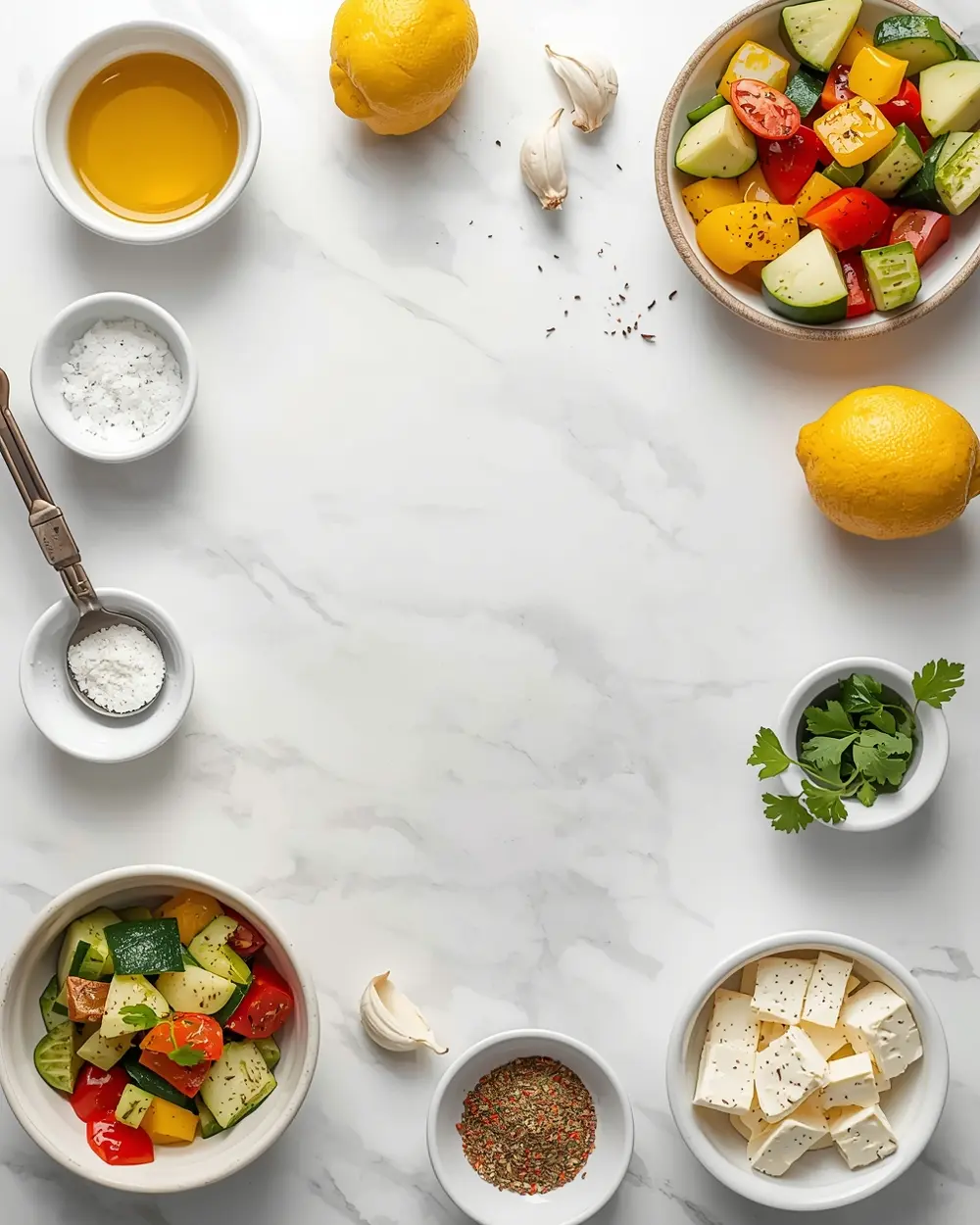
- 2 lbs boneless skinless chicken breasts
- 1/2 cup honey
- 4 cloves garlic, minced
- 2 tbsp olive oil
- 1 tsp salt
- 1 tsp black pepper
- 1/2 tsp dried thyme
- 1/4 tsp cayenne pepper
- 1 cup mixed summer vegetables (zucchini, bell peppers, asparagus)
- 2 lemons (zest and juice)
- 2 tbsp chopped parsley
- 2 tbsp feta cheese, crumbled
- 2 tbsp Dijon mustard
You know how some marinades taste flat even when you follow them exactly? That happens because garlic degrades if it sits raw in liquid too long. I whisk the garlic, honey, mustard, and olive oil together no more than four hours before grilling—any longer and the flavor flattens instead of punches through. The honey garlic grilled chicken recipe stays tender because the salt breaks down the muscle fibers while the acid (from mustard and lemon) keeps everything moist. If you’re substituting, swap the feta for goat cheese (same richness, different tang) or skip it entirely if dairy isn’t happening that night.
For this simple summer grill situation, you need room-temperature chicken breasts before they go in the marinade. Cold meat fresh from the fridge won’t absorb flavors evenly, so take them out thirty minutes early—I know it feels wrong, but the results prove it works. Boneless breasts cook faster than bone-in thighs, which means your glaze window is tighter, so don’t skip the timing notes in the instructions section ahead.
Step-by-step grilled chicken instructions
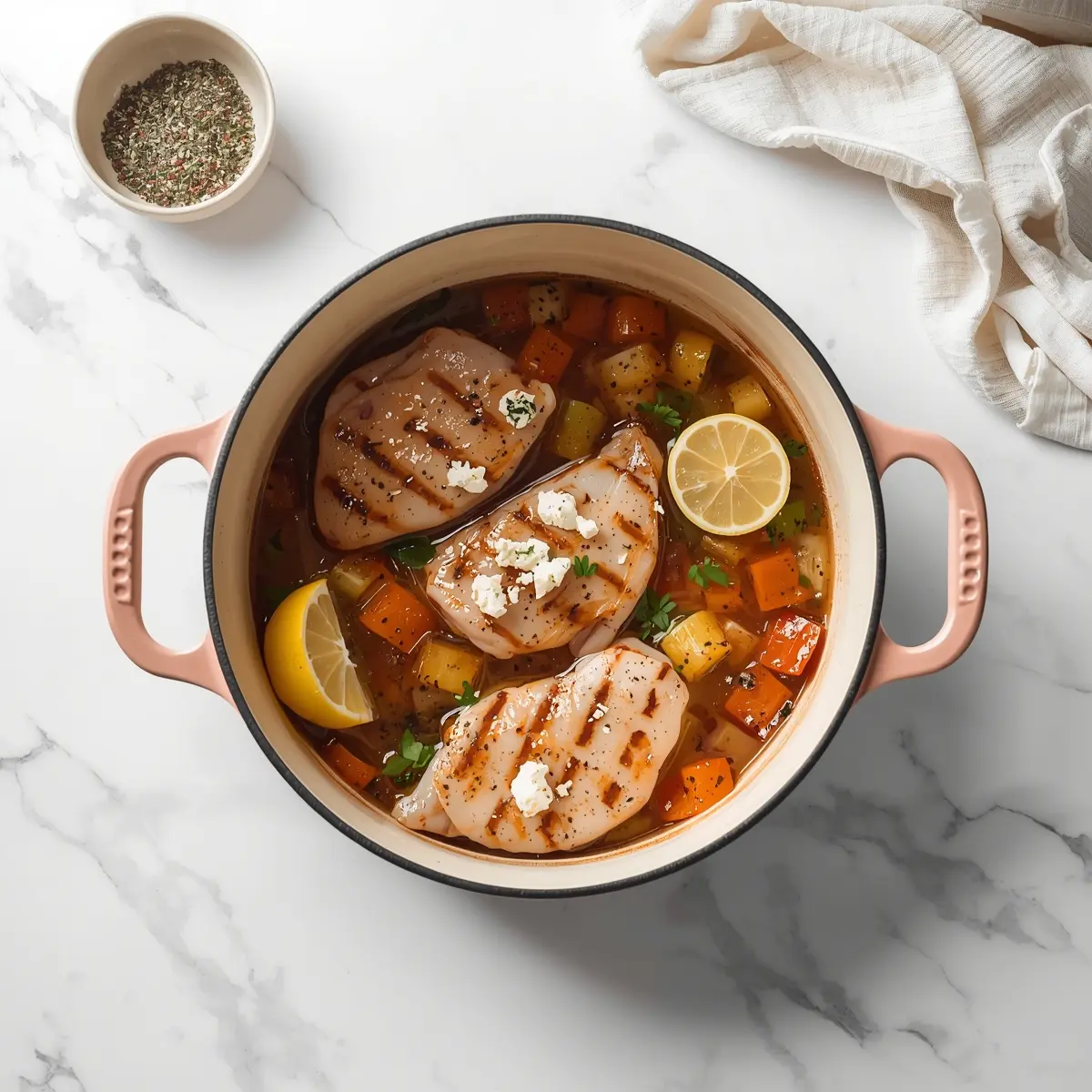
1. Mix minced garlic, honey, Dijon mustard, olive oil, lemon juice, and lemon zest in a bowl until it looks like thin paste. Stir in salt, black pepper, thyme, and cayenne—I do this by hand because whisking can bruise the garlic and turn it bitter. Reserve one-third of the marinade in a separate container to use as a glaze later; this prevents raw chicken bacteria from contaminating your finishing sauce.
2. Pat the chicken breasts dry with paper towels (moisture blocks marinade absorption), then place them flat in a gallon-sized zip-top bag. Pour the two-thirds portion of marinade over the chicken, seal it, and refrigerate for at least two hours or up to eight hours overnight. I’ve made this in two hours on a weeknight rush, and it works; overnight is when the flavor gets genuinely deep.
3. Remove the chicken from the fridge thirty minutes before grilling so it reaches room temperature throughout. This step prevents the outside from burning while the inside stays cold—I learned this the hard way after ruining three batches one July. Room-temperature chicken cooks evenly, which means the glaze caramelizes instead of charring before the meat reaches 165°F internally.
4. Preheat your grill to medium-high heat (around 400°F if you have a thermometer). Oil the grates with a paper towel dipped in vegetable oil so the chicken won’t stick—this matters more than most people realize because stuck chicken tears and loses its shape. Let the grill sit for five minutes after oiling so the grates actually heat up.
5. Place chicken breasts on the grill and close the lid. Let them cook undisturbed for six to seven minutes on the first side—resist the urge to move them around because movement prevents the crust from forming properly. You’ll see the edges turn opaque; that’s when you flip.
6. Flip the breasts and grill for five to six minutes on the second side with the lid closed. In the final two minutes of this side, brush the reserved honey-garlic glaze onto each breast using a silicone brush. I always feel nervous here because I’m adding liquid to heat, but that glaze is what makes this honey garlic grilled chicken recipe actually sticky and memorable.
7. Brush the glaze onto the first side as well (for about one minute more), then remove the chicken to a cutting board. Check the thickest part of one breast with an instant-read thermometer—it should read 165°F minimum. If any breasts are below that temperature, return them to the grill for another minute or two per side.
8. Let the chicken rest on the cutting board for five minutes before serving. Resting redistributes the juices throughout the meat instead of letting them run out onto your plate—this is the difference between juicy and dry chicken. While the chicken rests, throw your mixed vegetables on the grill to char slightly and absorb the residual heat.
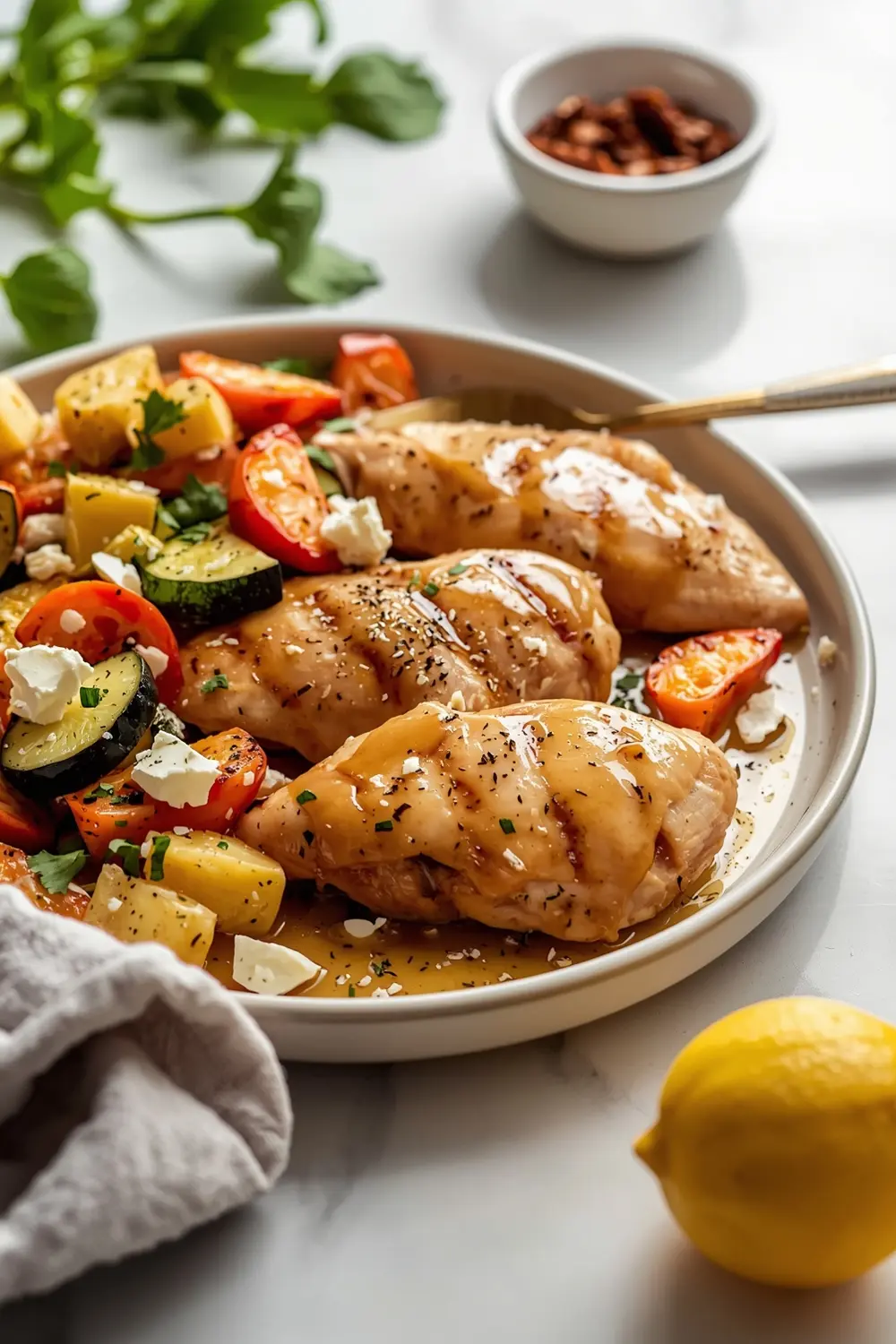
The real magic happens when you plate this alongside grilled vegetables that have picked up char marks.
Serving ideas for honey garlic grilled chicken recipe
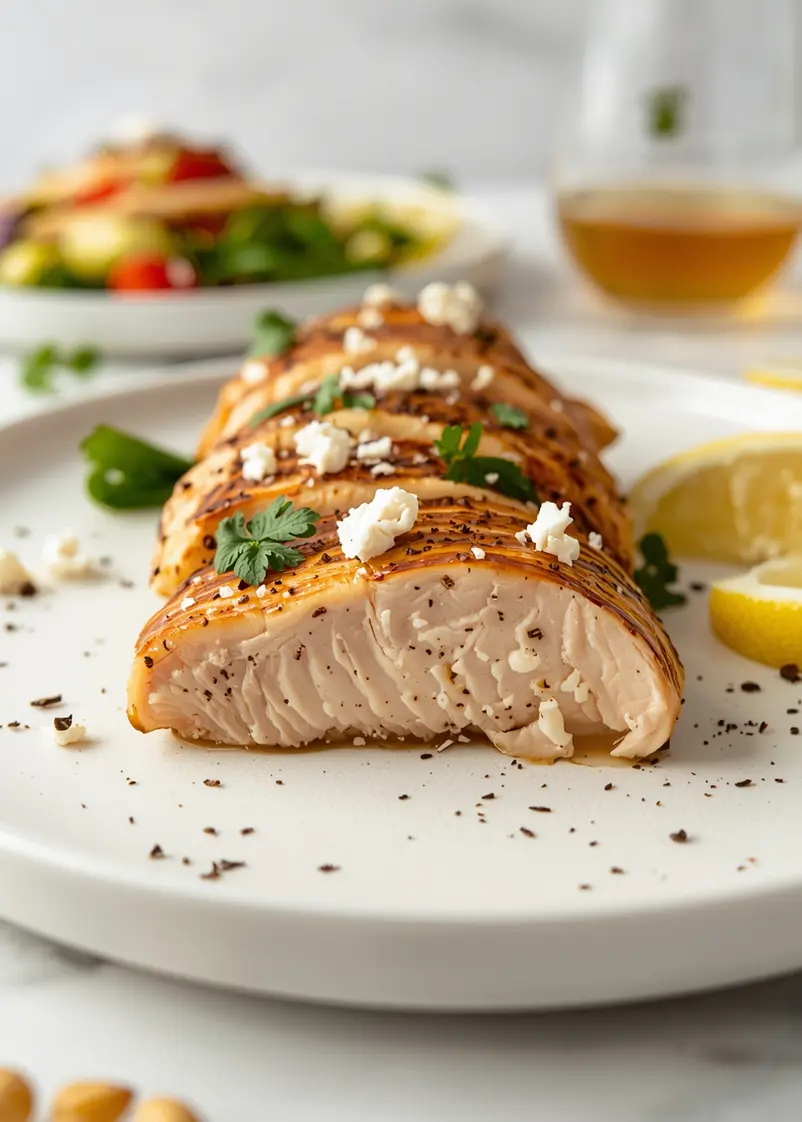
This honey garlic grilled chicken recipe tastes even better when paired with sides that echo its sweet-savory balance.
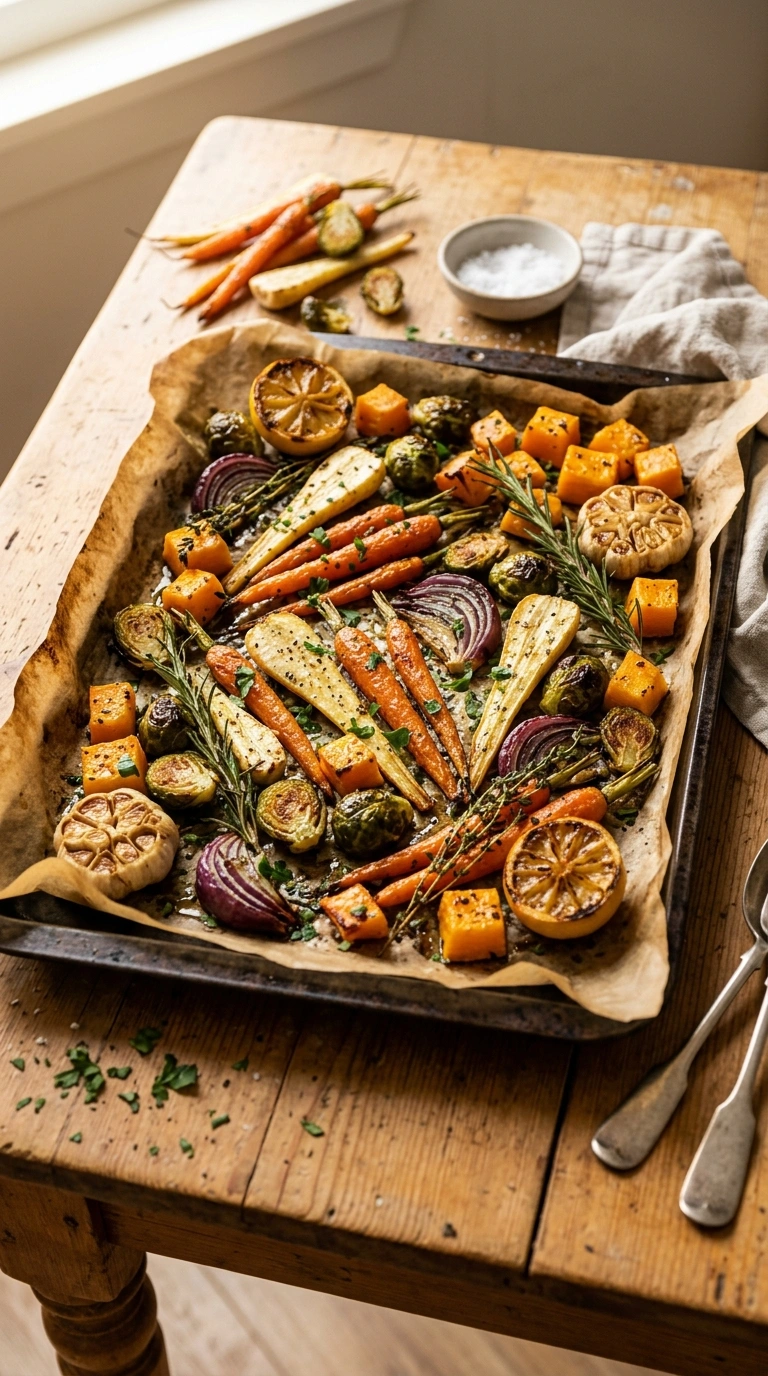
Grilled Lemon Vegetables with Fresh Herbs
Toss zucchini, bell peppers, and asparagus with olive oil, salt, and pepper, then grill until they get char marks. The vegetables soak up any dripping glaze from the chicken, creating a unified plate. Nora actually eats vegetables this way without negotiating, so there’s practical proof this pairing works.Creamy Herb Couscous
Cook couscous in chicken broth instead of water, then stir in feta, fresh parsley, and lemon zest. The creaminess of the cheese balances the sticky glaze on the chicken, and the lemon ties everything together. This is comfort food that doesn’t feel heavy on a warm evening.Charred Corn with Garlic Butter
Brush corn with garlic-infused butter and grill until the kernels turn golden and char slightly at the tips. The sweetness of corn echoes the honey in the chicken without competing with it because the flavors feel intentional. The butter adds richness that makes the simple summer grill situation feel like restaurant-quality cooking.The vegetables finish at roughly the same time as the resting period, so your entire plate comes together hot and coordinated.
Frequently asked sweet grilled chicken questions
Can I freeze this honey garlic grilled chicken recipe?
Yes, you can freeze it for up to three months in an airtight container. Thaw overnight in the refrigerator before reheating gently in a 325°F oven for five to seven minutes so the meat stays moist.What if I don’t have fresh garlic?
You can use 1 teaspoon of garlic powder instead of fresh cloves, but the flavor becomes flatter and less punchy because powder lacks the essential oils of fresh. Start with half a teaspoon, taste, and add more if needed—powder concentrates quickly.How do I reheat leftover chicken without drying it out?
Preheat your oven to 325°F, place chicken on a baking sheet, cover with foil, and heat for eight to ten minutes. This gentle, low temperature keeps the exterior tender while warming the inside through completely without overdrying.What makes this better than other easy honey BBQ recipes?
The lemon zest cuts the sweetness so it doesn’t become one-note, and the garlic stays fresh because you mix it in hours (not days) before cooking. Most recipes use bottled minced garlic or add zest too early, which mutes the brightness that separates this from ordinary barbecue chicken.Final thoughts on easy honey BBQ
This honey garlic grilled chicken recipe is worth the minimal extra effort because it tastes like you spent the afternoon cooking when you actually spent forty minutes total. The real win is that James asks for seconds and Nora doesn’t complain about grilled chicken texture for once. The glaze stays with the meat instead of dripping off into flames, the garlic flavor deepens without turning acrid, and the lemon zest prevents everything from feeling like eating dessert for dinner.
You’ll make this at least three times before summer ends.
Made it tonight? Tell me which vegetable you’d swap into the marinade next time—or tag me with what James or Nora actually said when they tasted it.