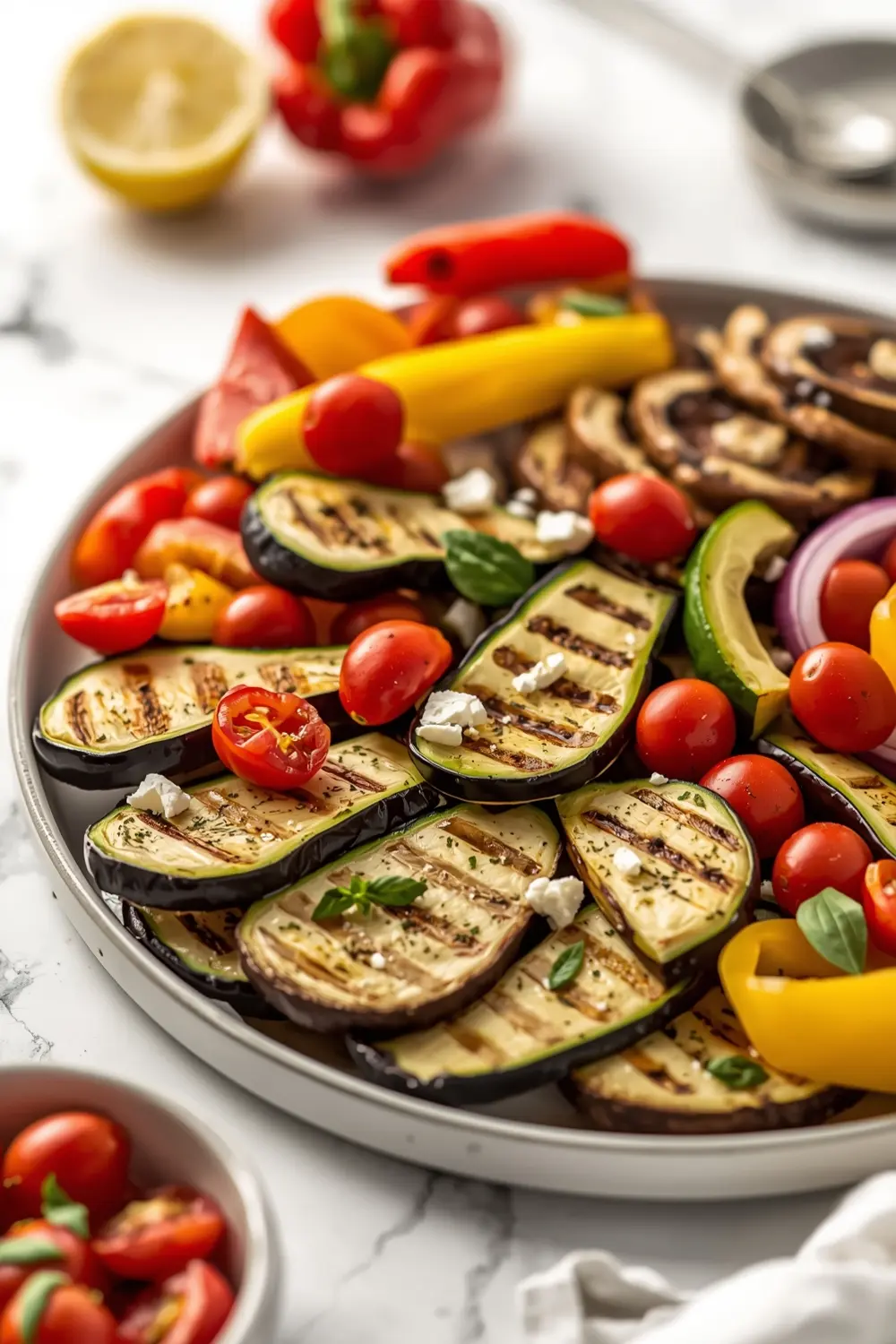
Picture the moment James grabs a piece of char-marked zucchini straight off the platter—his eyes light up before he’s even taken a bite. That’s the reaction I get every single time I make this grilled vegetable platter recipe summer at our cookouts, and honestly, it’s become the dish people request by name now. This easy veggie platter BBQ spread transforms ordinary vegetables into something people actually fight over, which never happens at my house. Since it’s peak grilling season, this summer grill spread deserves a spot on your menu this weekend because vegetables get sweeter when they hit the grates—that’s just chemistry.
The secret to nailing a grilled vegetable platter recipe summer isn’t complicated. You need vegetables that can handle high heat without falling apart, proper oil coverage to prevent sticking, and enough seasoning that every bite tastes intentional. Most recipes gloss over the marinade timing, but that’s where the magic lives.
What makes this approach different: I char the vegetables hard on one side first, then flip just once. Most recipes flip constantly, which steams them instead of grilling them—the one-flip method gets you actual caramelization and those brown marks that make people stop mid-conversation. You can check out my other summer favorite with grilled bell peppers recipe summer for more pepper inspiration, but this platter brings everything together.
This is absolutely the kind of easy veggie platter BBQ that saves you on nights when you’re hosting and don’t want to spend three hours in the kitchen. Save this recipe now—you’ll want it bookmarked by August.
Why this summer grill spread works
What makes vegetables actually taste better when they hit the grill instead of staying raw on a plate? The heat breaks down their cell walls and concentrates their natural sugars, which is why a grilled vegetable platter recipe summer tastes fundamentally different from its chopped-on-a-board cousin.
- One proper char on each side builds flavor depth that raw vegetables can’t compete with, because the Maillard reaction creates hundreds of new taste compounds
- The olive oil and lemon marinade penetrates during the 15-minute soak, making every piece taste seasoned from the inside out
- Mediterranean herbs pair with these specific vegetables in ways that feel intentional, not random
- Feta cheese adds protein and salt that make people reach for thirds without realizing it
Prep 20 minutes | Cook 35 minutes | Cal 280 | Serves 6 servings | Cuisine Mediterranean |
Ingredients for grilled vegetable platter recipe summer
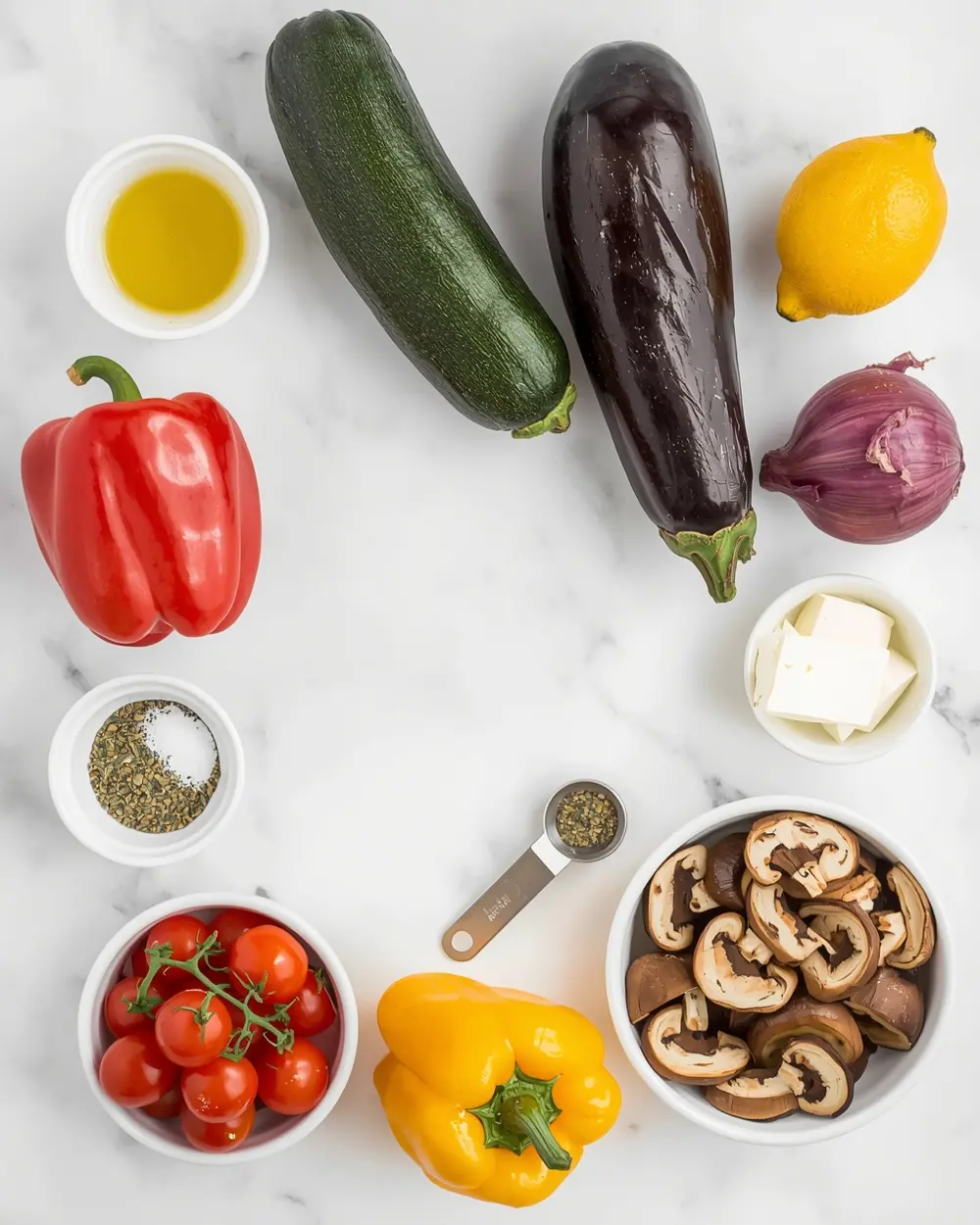
- 2 medium eggplants, sliced into 1-inch thick rounds
- 2 medium zucchinis, sliced into 1-inch thick rounds
- 1 large red bell pepper, sliced into 1-inch thick strips
- 1 large yellow bell pepper, sliced into 1-inch thick strips
- 4 medium portobello mushrooms, stems removed, caps sliced into 1-inch thick rounds
- 1 medium red onion
- ¼ cup olive oil
- 2 tbsp lemon juice
- 1 tsp dried oregano
- 1 tsp garlic powder
- Salt and pepper to taste
- 8 oz feta cheese
- 16 cherry tomatoes, halved
The grilled vegetable platter recipe summer becomes substantially better when you don’t skip the marinade step. I know it feels like an extra five minutes you don’t have, but those 15 minutes let the oil coat every surface and the seasonings sink in—this is what separates a platter that tastes marinated from one that just tastes salty on top. Red onion slices can be grilled whole or separated into rings; I separate mine so they stay tender without getting too charred. Everything else needs about the same grill time when you slice it to consistent thickness.
Step-by-step grilled vegetable instructions
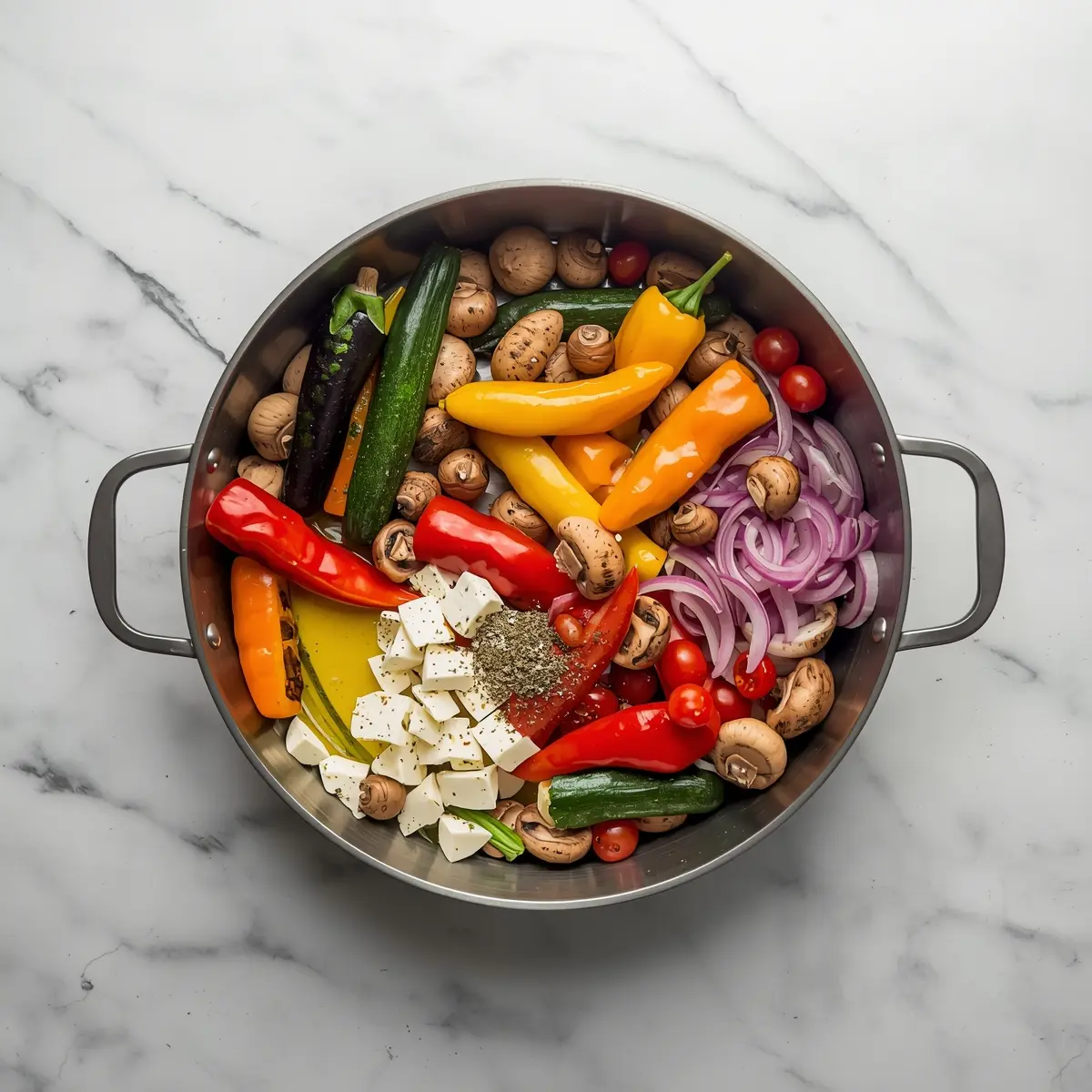
1. Arrange all sliced vegetables in a large shallow bowl or on a baking sheet. Whisk together ¼ cup olive oil, 2 tbsp lemon juice, 1 tsp dried oregano, 1 tsp garlic powder, ½ tsp salt, and ¼ tsp black pepper. I make this dressing first because it takes 90 seconds and preps everything while you’re arranging vegetables—saves mental load later.
2. Pour the marinade over all vegetables and toss gently until every piece has oil coverage. This step feels tedious, but I use my hands to make sure the eggplant and mushroom pieces get fully coated on both sides. Let this sit for exactly 15 minutes while your grill heats to medium-high heat (around 400°F if you have a thermometer).
3. Once the grill is hot and you can hold your hand above it for only three seconds, place eggplant and mushroom pieces first. These need 4–5 minutes on their first side because they’re thicker and need time to develop those char marks that signal they’re ready to flip. Resist the urge to move them—I learned this when I kept rearranging pieces and ended up with steamed vegetables instead of grilled ones.
4. Flip each piece exactly once and grill for another 3–4 minutes until the second side shows brown marks. The eggplant will feel softer when you press it, which is when you know it’s cooked through. Transfer to a clean platter as each batch finishes.
5. Add bell pepper strips and red onion to the grill next. These cook faster than eggplant—about 3 minutes per side—and should have visible char but still feel slightly firm when you press them. I keep them in order on my platter by section, which makes the presentation look intentional instead of random.
6. Grill the zucchini last since thin slices cook fastest. These need only 2–3 minutes per side and will continue cooking slightly after you remove them from heat. Watch for the grill marks to appear golden-brown, then flip immediately.
7. Once all vegetables come off the grill, sprinkle the entire platter with ¼ tsp additional salt while everything is still warm. The heat makes the salt crystals dissolve slightly into the vegetables’ surface, which flavors them deeper than salting after they cool. Arrange the halved cherry tomatoes around the grilled pieces (these stay raw) and crumble the 8 oz feta cheese across the top.
This entire grilled vegetable platter recipe summer comes together at room temperature, which means you can grill everything up to two hours ahead and let it sit on the counter.
Serving ideas for grilled vegetable platter recipe summer
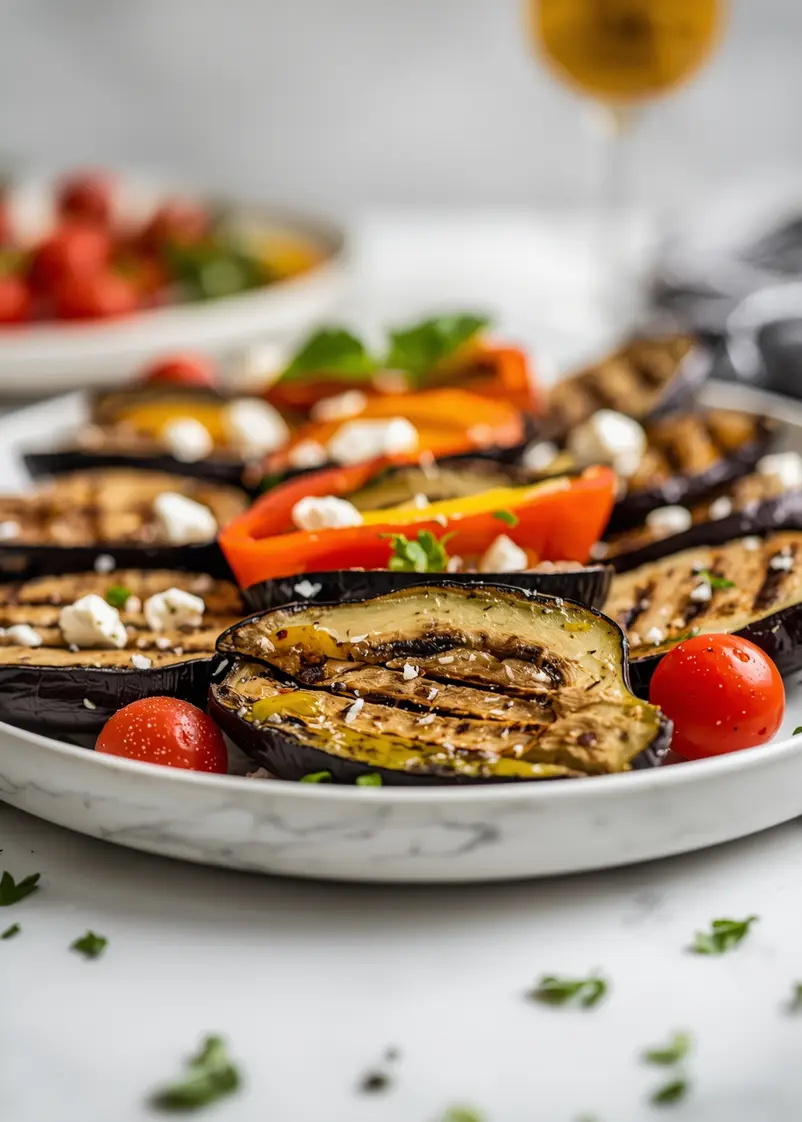
Serve this as an appetizer, a side dish, or honestly the main event on warm nights when nobody wants heavy food.
Alongside grilled chicken or fish
Grilled vegetables pair beside proteins beautifully because the char flavors complement without competing. The feta adds creaminess that makes lighter proteins feel more substantial. Think of this as your summer grill spread foundation—add any protein and dinner feels complete.With warm pita bread and hummus
Stack grilled vegetables and feta into torn pita pieces for handheld eating. The warmth of fresh pita softens slightly against warm vegetables, and hummus bridges all the flavors together. This combo works especially well for casual outdoor meals where people stand and eat.As a Mediterranean salad base
Chop everything into bite-sized pieces, add fresh herbs like basil or parsley, and toss with extra lemon juice for a grain-free salad. The feta dissolves slightly into the warm vegetables when you toss, creating its own dressing. You could also layer this over couscous or serve with 4th of july yogurt parfaits recipe as a cooling contrast for a full menu.Nora asks for seconds of just the mushrooms, while James goes straight for the charred eggplant rounds—everyone finds their favorite vegetable on this platter. The summer grill spread keeps its texture beautifully through serving and tastes just as good at room temperature as it does warm.
Frequently asked grilled vegetable questions
Can I make this grilled vegetable platter recipe summer ahead of time?
Yes, absolutely. Grill everything up to two hours before your guests arrive and leave it at room temperature on your serving platter. The flavors actually deepen as it cools slightly, and you won’t be stuck grilling while entertaining.
The feta and cherry tomatoes should go on right before serving so they stay fresh. If you’re making this more than two hours ahead, cover it loosely with foil and reheat gently at 300°F for about eight minutes before adding the cheese and tomatoes.
Can I substitute the portobello mushrooms with something else?
Yes, cremini mushrooms work perfectly and cost less. They cook about one minute faster per side because they’re smaller, so watch them more carefully to avoid overcooking them into rubber.
Baby bella mushrooms are basically the same as cremini with slightly thicker caps. You could also use thick slices of regular mushrooms, though they’ll release more moisture and won’t develop the same char texture that portobello provides.
How do I reheat this if I made it the day before?
Yes, you can reheat it. Place the grilled vegetable platter recipe summer on a baking sheet and warm it at 325°F for 12–15 minutes until the vegetables are heated through but not scorching on the edges.
Add the feta cheese and cherry tomatoes after reheating so they don’t get warm and lose their texture. You can also eat it cold straight from the refrigerator if you prefer—the flavor remains just as good, just less vibrant than at room temperature.
What if my vegetables taste bland after grilling?
Taste with salt added specifically. Most recipes skimp on salt because they’re scared of oversalting, but you need ½ tsp total salt distributed across six servings—that’s just under 1/8 tsp per person.
Add a squeeze of fresh lemon juice right before serving if the flavors taste flat. The acid wakes up all the seasonings. If you have fresh herbs like oregano or basil, scatter them on top right before serving—fresh herbs taste completely different from dried ones after cooking.
Final thoughts on Mediterranean grilling
This easy veggie platter BBQ approach works because it respects each vegetable’s texture instead of treating everything the same way. When you use proper heat and resist the urge to constantly flip, you get real caramelization instead of steamed vegetables that taste like the grill is just an afterthought.
The summer grill spread deserves space on your menu because it solves the “what do I make that everyone will eat” problem without making you feel like you’re just serving rabbit food. James always finds room for thirds, and Nora asks me to make it two weekends in a row—that’s when I know a recipe has earned its place.
Want more seasonal summer inspiration? Check out my fall maple fudge recipe easy for when the weather finally cools down and you’re thinking ahead.
Tell me in the comments: which vegetable are you excited to grill first, and will you add any variations to your grilled vegetable platter recipe summer?