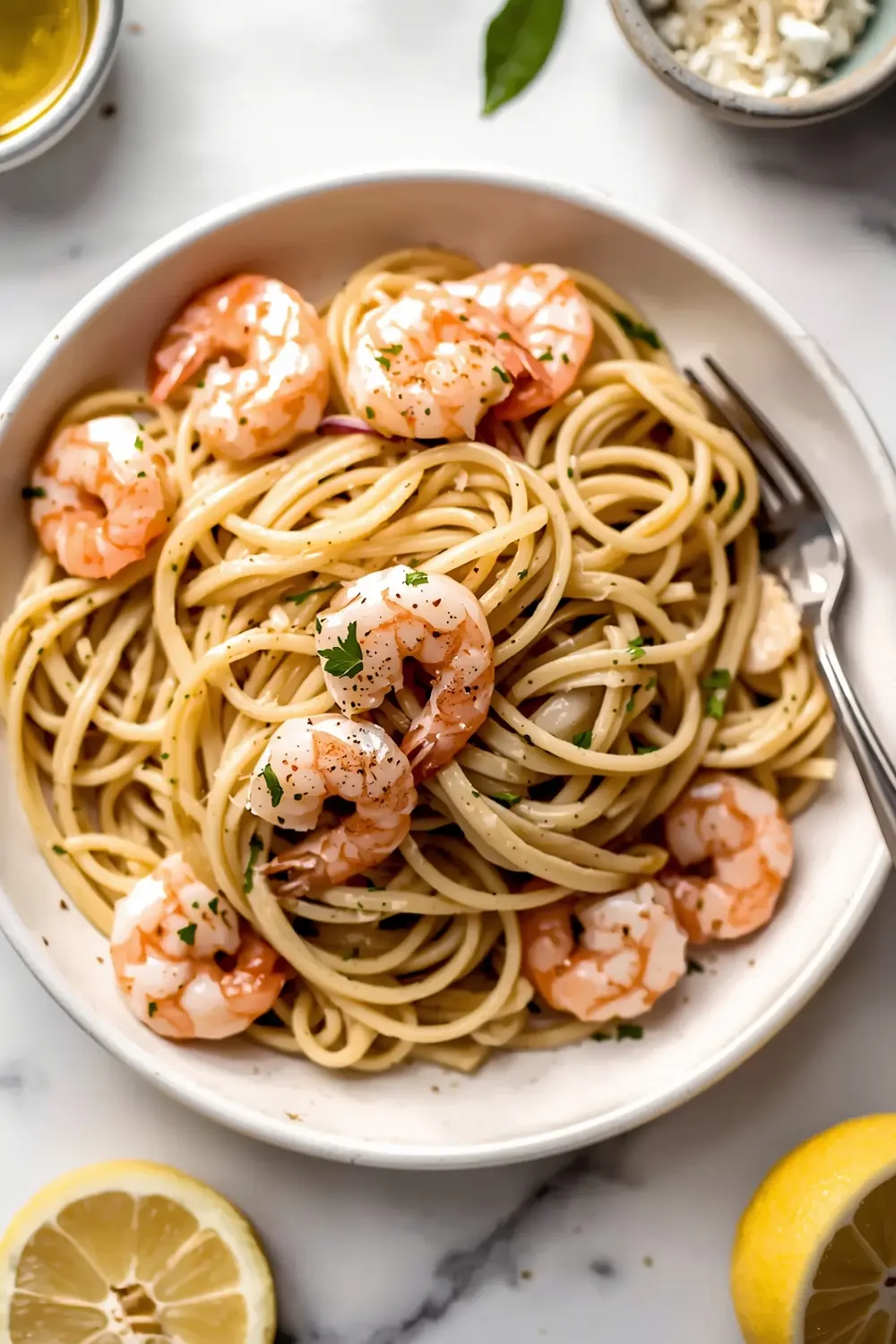
The smell of garlic hitting hot oil at 6 p.m. means creamy garlic shrimp pasta recipe is happening tonight—and James actually puts his phone down at the dinner table. Nora asks for seconds without negotiating vegetables first, which tells you everything.
This isn’t a weeknight scramble or frozen backup plan. The trick is building the sauce while pasta water still clings to the noodles, which most recipes skip entirely by draining everything bone-dry. That starch does the heavy lifting, turning cream into something that coats without pooling.
Whether you’re feeding James and Nora or hosting last-minute guests, this one-pan dinner slides onto plates in under thirty minutes total.
Perfect for Tuesday nights when you need dinner but not the cleanup aftermath.
Why this creamy garlic pasta works
What makes a creamy garlic shrimp pasta recipe stick in rotation instead of rotting in your notes app?
- Shrimp cooks in under three minutes, because overcooked shrimp ruins everything before you notice.
- Heavy cream plus chicken broth prevents a sauce so thick it splits when reheated.
- Lemon zest (not just juice) cuts through fat and brightens each bite without making it taste sour.
- One pan means one cleanup—and that matters when James has soccer practice and Nora has homework.
The real win is timing. Most home cooks toss finished linguine into a hot pan with cold cream, which causes separation. This garlic shrimp pasta recipe keeps the pan off heat while cream tempers, then returns to the burner for ten seconds. That small shift changes everything about texture.
Prep 20 minutes | Cook 30 minutes | Cal 420 | Serves 4 servings | Cuisine Italian-American |
Ingredients for creamy garlic shrimp pasta recipe
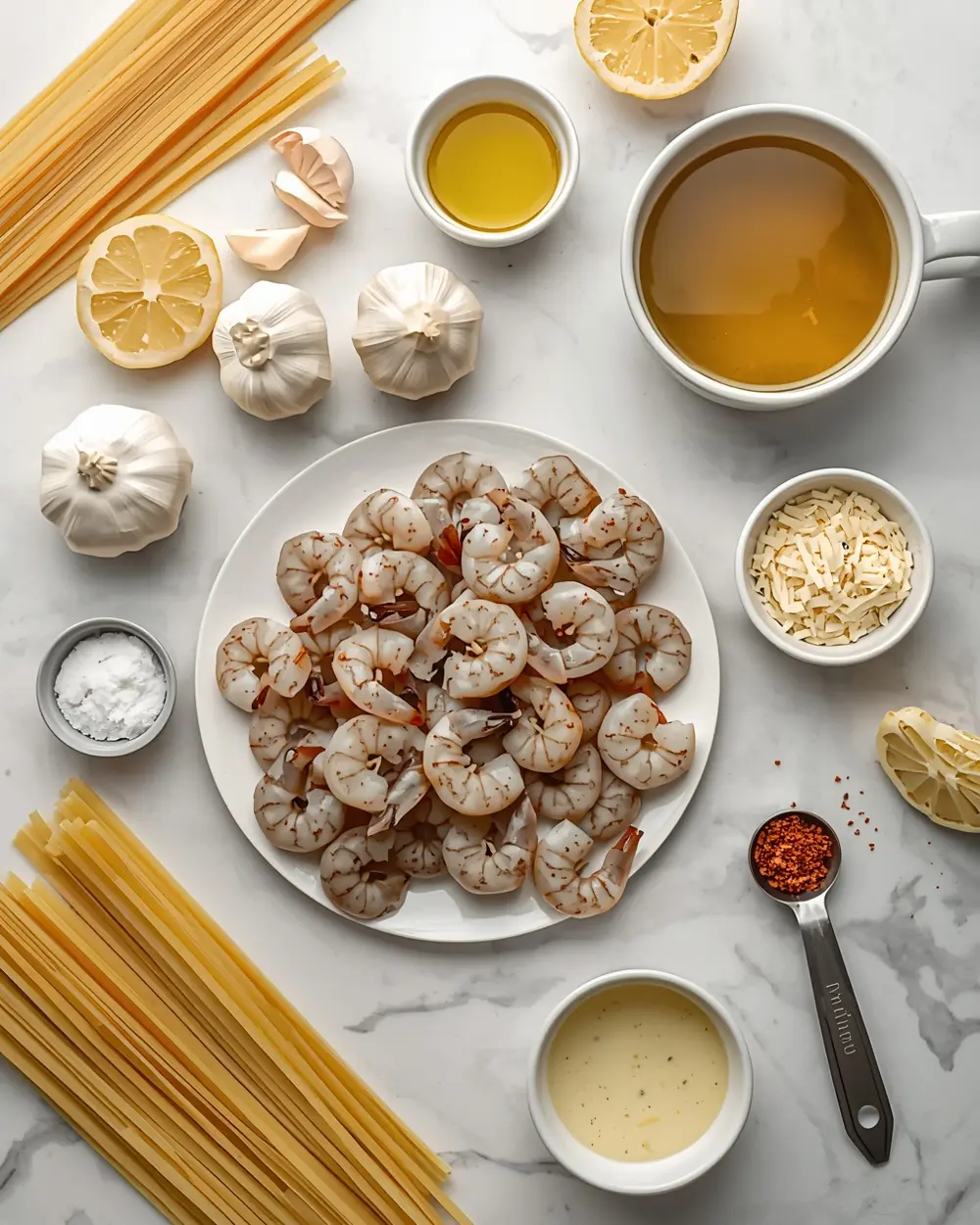
- 8 oz linguine pasta
- 1 lb shrimp, peeled and deveined
- 2 tbsp olive oil
- 3 cloves garlic, minced
- 1/2 cup heavy cream
- 1/2 cup grated Parmesan cheese
- 1/4 cup low-sodium chicken broth
- 1/2 tsp salt
- 1/4 tsp black pepper
- 1/2 tsp red pepper flakes
- 1 tsp lemon zest
- 1 tbsp lemon juice
Most readers hesitate at heavy cream because they’ve had one-note versions sit in their stomach. Here’s what actually happens: the chicken broth thins the cream enough that it becomes silken instead of heavy, and the lemon juice cuts through richness so you don’t feel it afterward. Trust this ratio.
You might wonder about swapping cream for Greek yogurt or mascarpone. Greek yogurt breaks under high heat into grainy bits, and mascarpone is harder to find on a Tuesday night. Heavy cream is the standard because it performs. If dairy isn’t an option, try a 50/50 blend of olive oil and vegetable broth—the creamy garlic shrimp pasta recipe will be lighter but still satisfying. Either way, add fat slowly and taste before the final plating.
Let’s move into how this actually comes together.
Step-by-step garlic shrimp pasta instructions
1. Bring a large pot of salted water to a rolling boil—salt it like pasta water, which means you should actually taste salt. Drop linguine in and cook until just under al dente, about eight minutes. Reserve one cup of pasta water before draining. I always save more than I think I’ll need because this starch rescues a sauce that’s too thick.
2. While pasta cooks, pat shrimp dry with paper towels and set aside. Wet shrimp steams instead of searing, so this step matters even though it feels fussy. Dry shrimp hits the pan with a quiet sizzle instead of a sad sputter.
3. Heat olive oil in a large skillet over medium-high heat until the surface shimmers—about 45 seconds. Add minced garlic and cook for exactly 30 seconds, stirring constantly. Garlic burns in a blink, so don’t look away. The kitchen should smell like toasted garlic, not charred garlic.
4. Add shrimp to the hot pan and cook for 90 seconds per side—about two minutes total. Shrimp will turn from translucent to opaque, which is your only timer. I’ve learned this the hard way by standing there with a timer instead of trusting my eyes. Remove shrimp to a clean plate immediately after they change color.
5. Reduce heat to medium and add chicken broth to the same pan, scraping the bottom with a wooden spoon to release garlic bits stuck there. This fond is flavor you’d throw away otherwise. Pour in cream slowly while stirring, then remove the pan from heat for 20 seconds—this prevents the sauce from breaking.
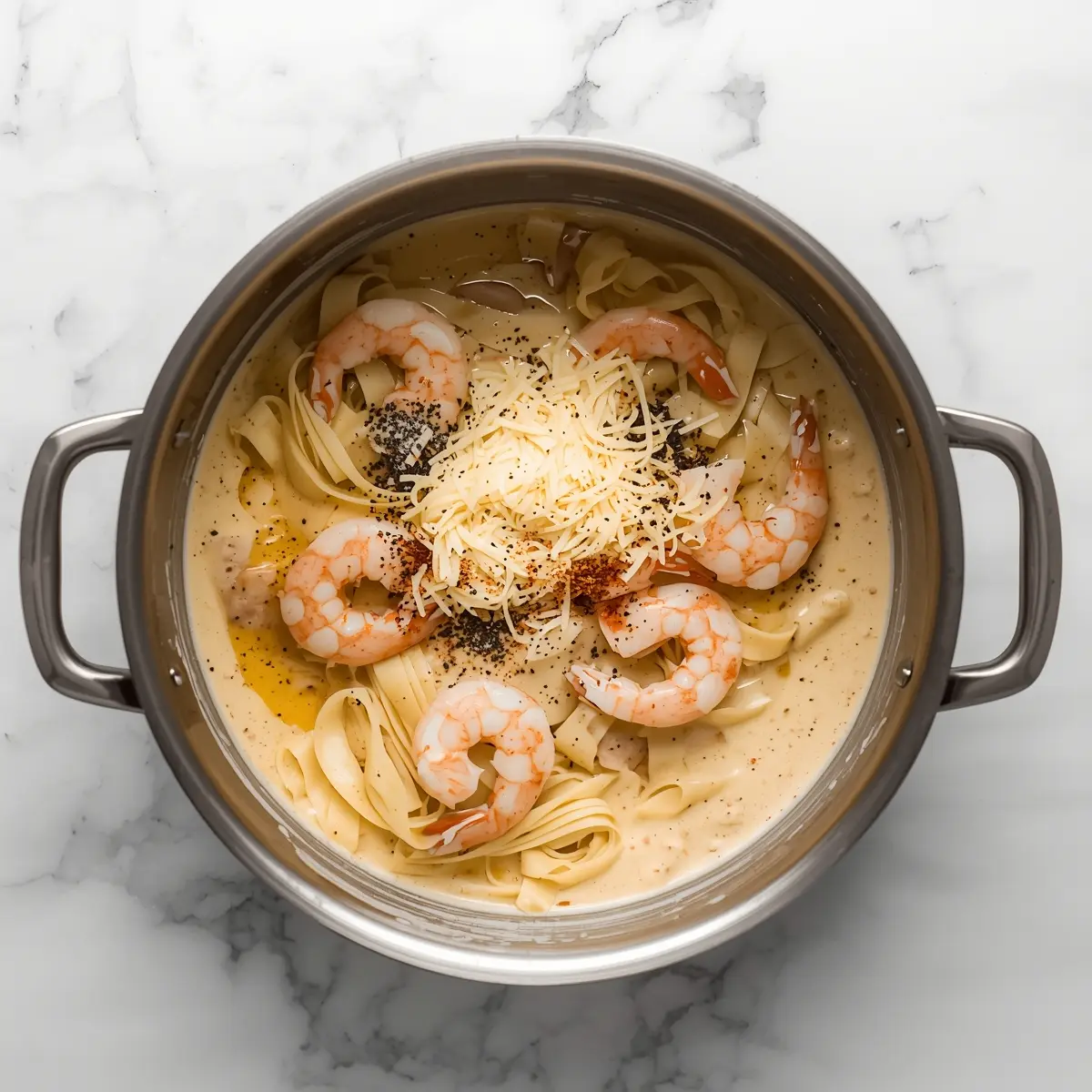
6. Return the pan to medium heat and add cooked linguine directly to the cream sauce. Toss gently for one minute, letting pasta starch combine with cream. Add reserved pasta water one tablespoon at a time until the sauce coats noodles without pooling at the bottom.
7. Stir in Parmesan cheese, lemon zest, lemon juice, salt, black pepper, and red pepper flakes. Taste and adjust seasoning—if it tastes flat, add an extra 1/8 teaspoon of salt. Return shrimp to the pan and toss one final time to combine.
This creamy garlic shrimp pasta recipe gets better when you add fresh herbs or a handful of spinach right at the end.
Serving ideas for creamy garlic shrimp pasta recipe
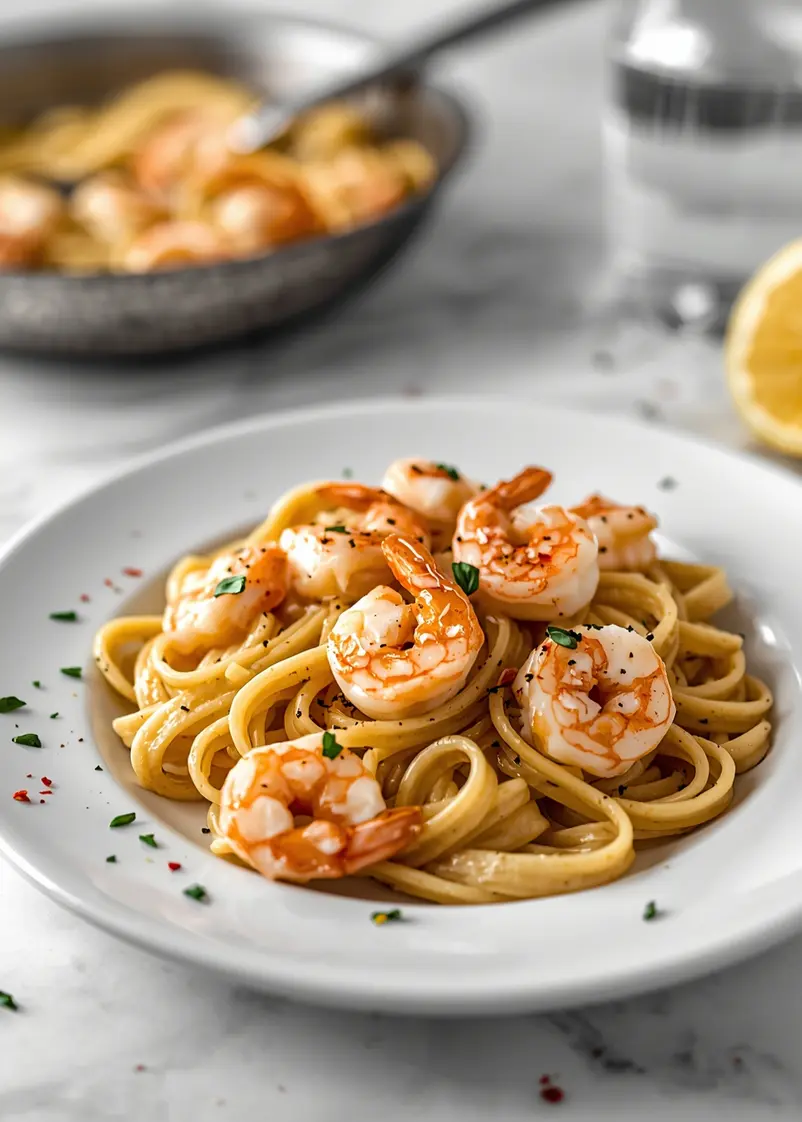
Plate this straight into shallow bowls so the sauce doesn’t disappear under the rim.
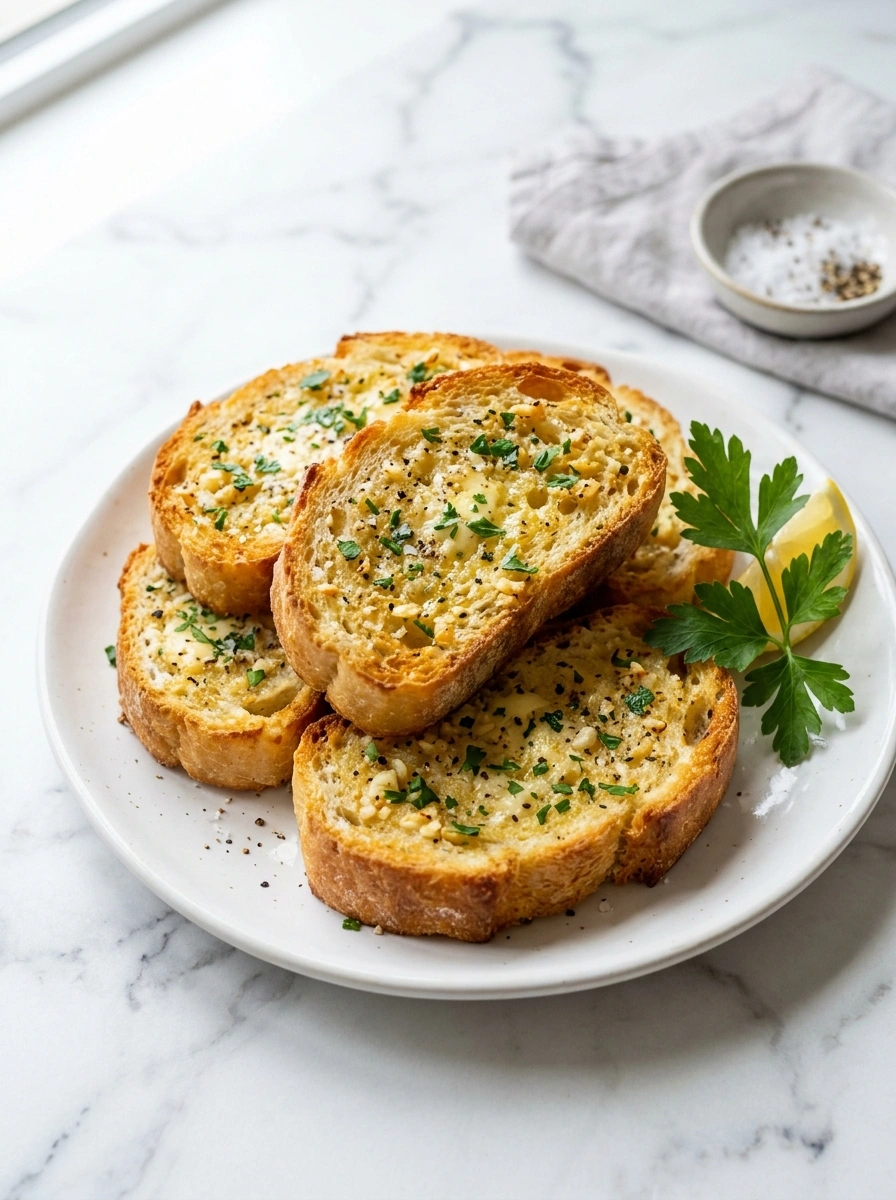
Garlic Bread with Herb Butter
Toasted bread with garlic butter soaks up leftover sauce at the bottom of each bowl. A 50/50 blend of softened butter and minced garlic, spread on crusty bread and broiled for two minutes, turns ordinary carbs into the best part of dinner.
Simple Arugula Salad
Peppery arugula dressed with lemon vinaigrette cuts through the cream and rests against warm pasta. The bitterness balances richness so you can actually eat multiple bites without feeling too full.
Frequently asked garlic shrimp questions
Can I freeze creamy garlic shrimp pasta recipe?
Yes, but texture changes slightly after thawing. Freeze in an airtight container up to one month, then thaw overnight in the refrigerator and reheat over low heat with a splash of cream to restore the sauce consistency.
What if I don’t have heavy cream?
You can substitute with a 1:1 blend of sour cream and chicken broth, though the result will be slightly tangy. Whisk together before adding to prevent curdling, and never let the pan reach a boil once sour cream enters.
How do I reheat this the next day?
Reheat over low heat—around 280°F on the stovetop or 325°F in the oven—for about five minutes, stirring occasionally and adding a tablespoon of cream to restore silkiness. High heat breaks the sauce again.
What should I do if the creamy garlic shrimp pasta recipe tastes too heavy?
Add 1/8 teaspoon more salt and all of the lemon juice—sometimes sourness masks excessive richness. If that doesn’t help, a pinch of red pepper flakes at the very end can make the sauce feel brighter without actually tasting spicy.
Final thoughts on easy one-pan garlic shrimp
This is not a recipe you’ll make once and forget. The creamy garlic shrimp pasta recipe lives in rotation because it bridges weeknight reality and restaurant expectations.
James came home at 6:15 last Tuesday and said the kitchen smelled “fancy” before asking what was for dinner. Nora actually tasted the lemon zest and asked what made it different from the jar kind. Those moments—where real people notice real ingredients—are what keep this dish coming back.
The biggest win is one pan and genuine flavor, which means you’re not standing at the stove juggling three burners while someone else loads the dishwasher.
Which pairing will you try first—the garlic bread, the arugula salad, or roasted asparagus?