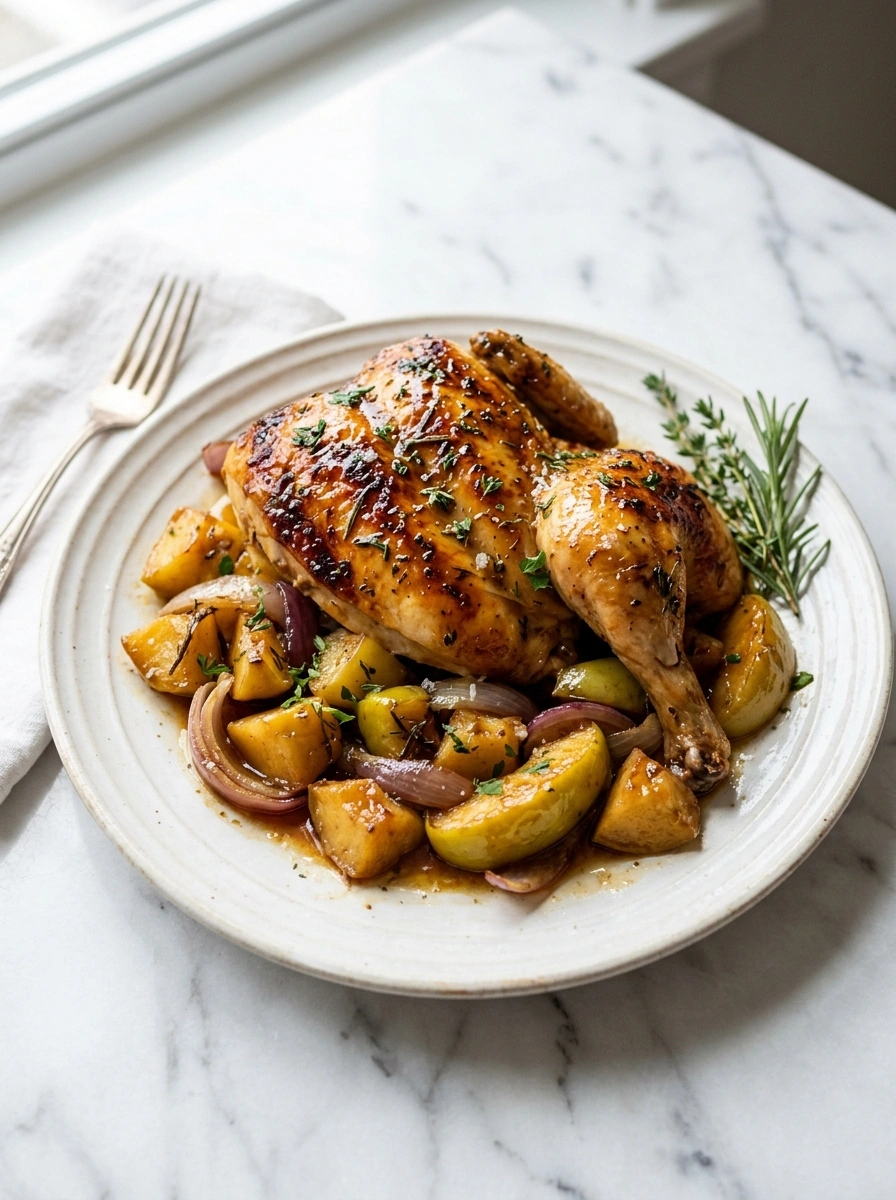
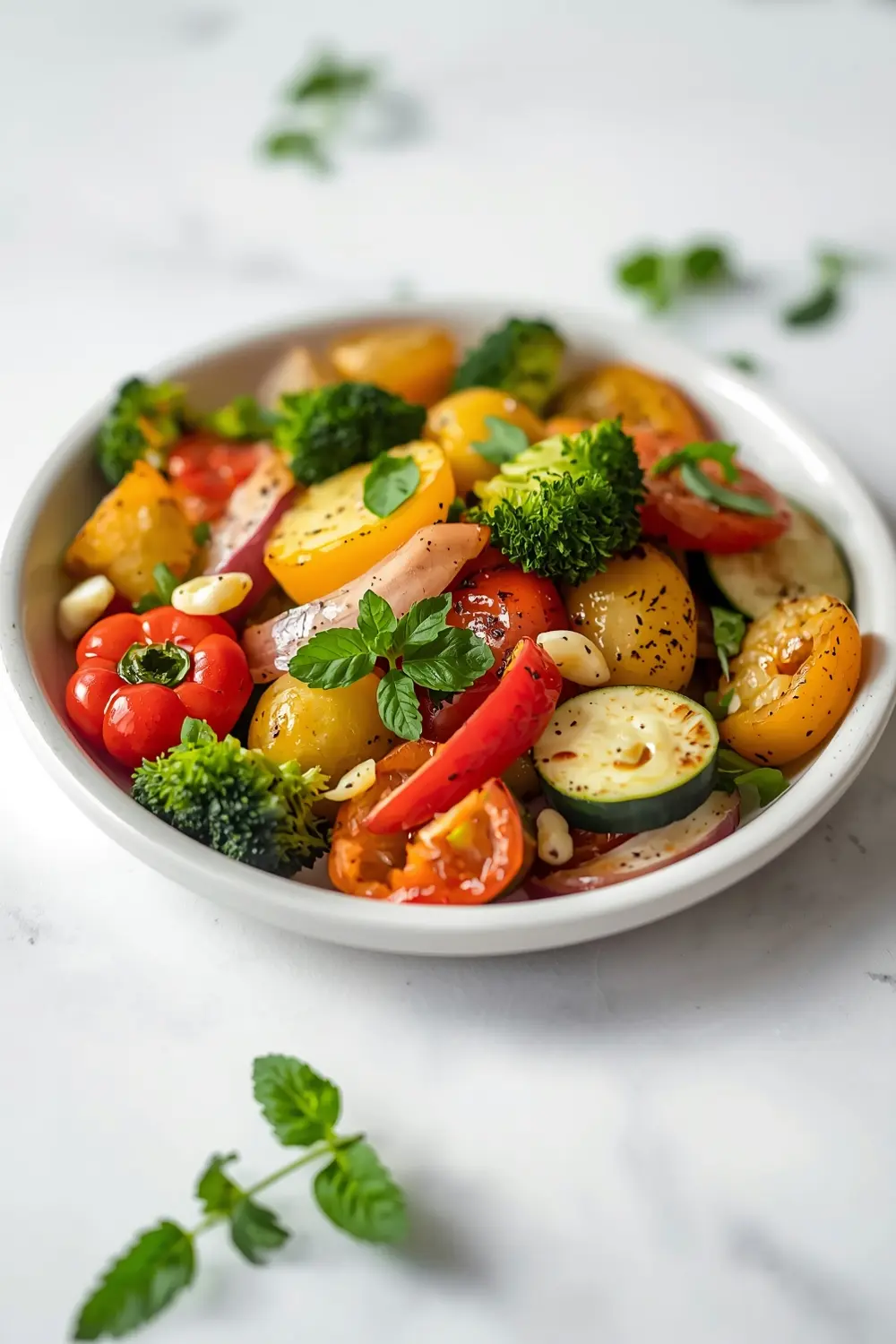
The smell of summer roasted vegetables recipe hitting a hot baking sheet at 425°F—that’s the moment James knows dinner’s coming together. Nora asks for seconds before I’ve even plated the whole pan.
This seasonal summer side delivers restaurant-quality results in under 35 minutes because the high heat caramelizes the natural sugars while the olive oil locks in moisture most home cooks waste by stirring too much.
I’ve tested dozens of simple oven approaches, and the difference between average and exceptional comes down to one thing: cutting vegetables to the exact same thickness so they finish simultaneously—something most recipes gloss over.
Whether you’re feeding a crowd or just James and Nora on a Tuesday night, this easy roasted veggies technique works year-round but shines brightest in summer when farmers’ markets overflow with bell peppers and zucchini. chicken vegetable skewers recipe summer pairs beautifully with this side if you want to expand your seasonal menu.
Pin this recipe for quick summer weeknight dinners.
Why this easy roasted veggies works
What makes simple oven roasting superior to steaming or pan-searing? The concentrated heat creates caramelization that builds actual flavor instead of just softening vegetables.
- High heat activates the Maillard reaction, concentrating natural sweetness in every piece of summer roasted vegetables recipe
- Single-pan cleanup means less resistance from James when I’m cooking on hot days
- Olive oil carries fat-soluble vitamins your body absorbs better than any steamed version because fat enhances nutrient availability
- 20 minutes active prep leaves you with energy to set the table instead of standing over a stove
Most recipes undersalt at the mixing stage—I add salt before roasting so it seasons the vegetables throughout, not just the surface.
Prep 20 minutes | Cook 35 minutes | Cal 210 | Serves 6 servings | Cuisine Mediterranean |
Ingredients for summer roasted vegetables recipe
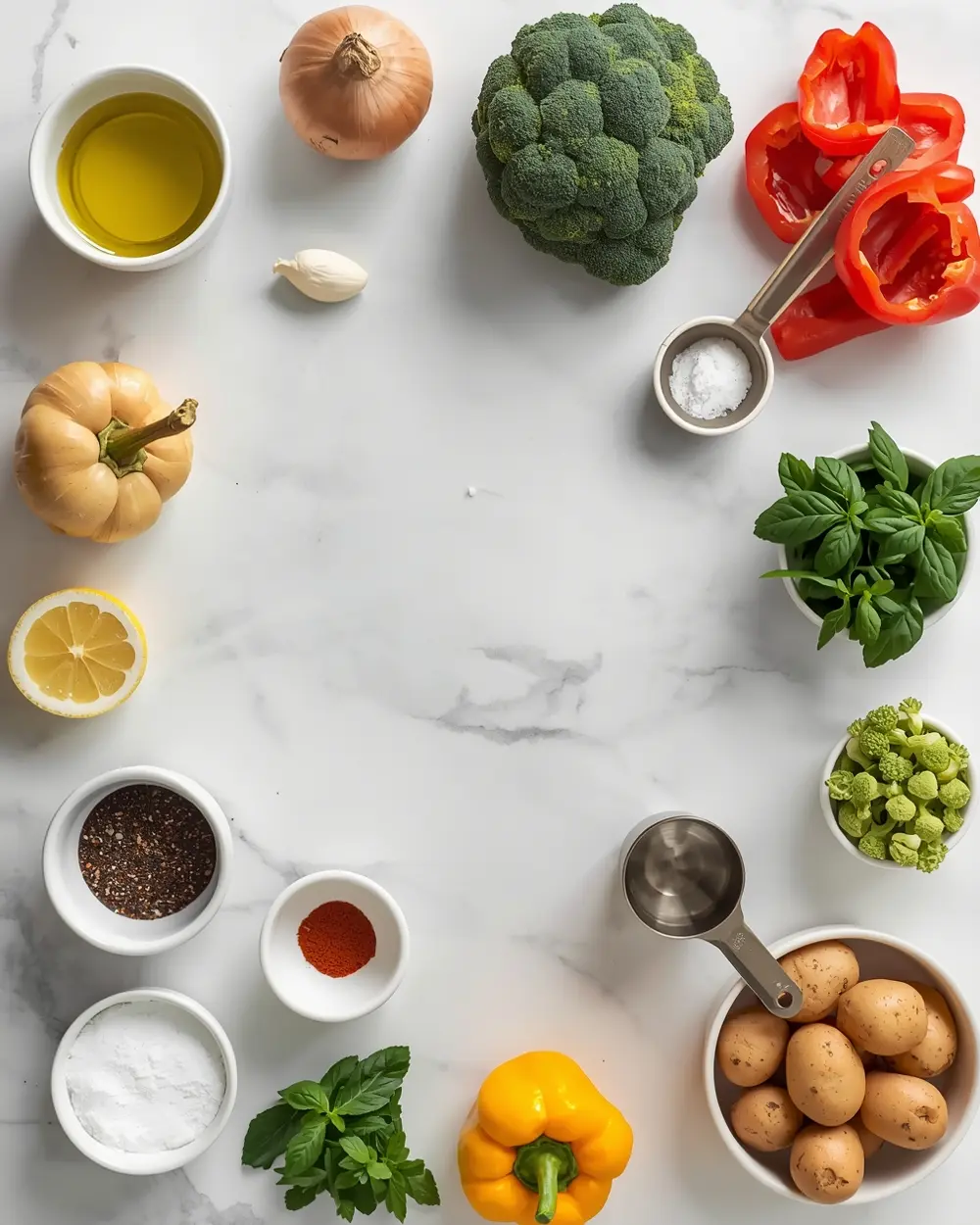
- 2 tablespoons olive oil
- 1 onion, sliced
- 3 cloves garlic, minced
- 1 cup sliced red bell pepper
- 1 cup sliced yellow bell pepper
- 1 cup sliced zucchini
- 2 cups broccoli florets
- 2 medium potatoes, sliced
- 2 cups mixed cherry tomatoes
- 2 tablespoons lemon juice
- 1 teaspoon salt
- 1/2 teaspoon black pepper
- 1/4 teaspoon paprika
- 2 tablespoons chopped fresh parsley
- 2 tablespoons chopped fresh basil
You might wonder if substitutions will change the outcome—they won’t derail the recipe, but they do shift timing. If you swap cherry tomatoes for sun-dried ones, add them in the final 10 minutes so they don’t collapse into paste. Some readers ask about frozen vegetables in this summer roasted vegetables recipe, and the answer is yes, though frozen broccoli releases more moisture, so pat it dry first and increase heat to 450°F.
I learned the hard way that wet vegetables won’t caramelize, so pat everything completely dry after washing. Trust me on this one small step—it’s the difference between vegetables that brown and vegetables that steam themselves into submission. Fresh herbs scatter at the very end to keep their brightness intact.
Step-by-step roasted vegetable instructions
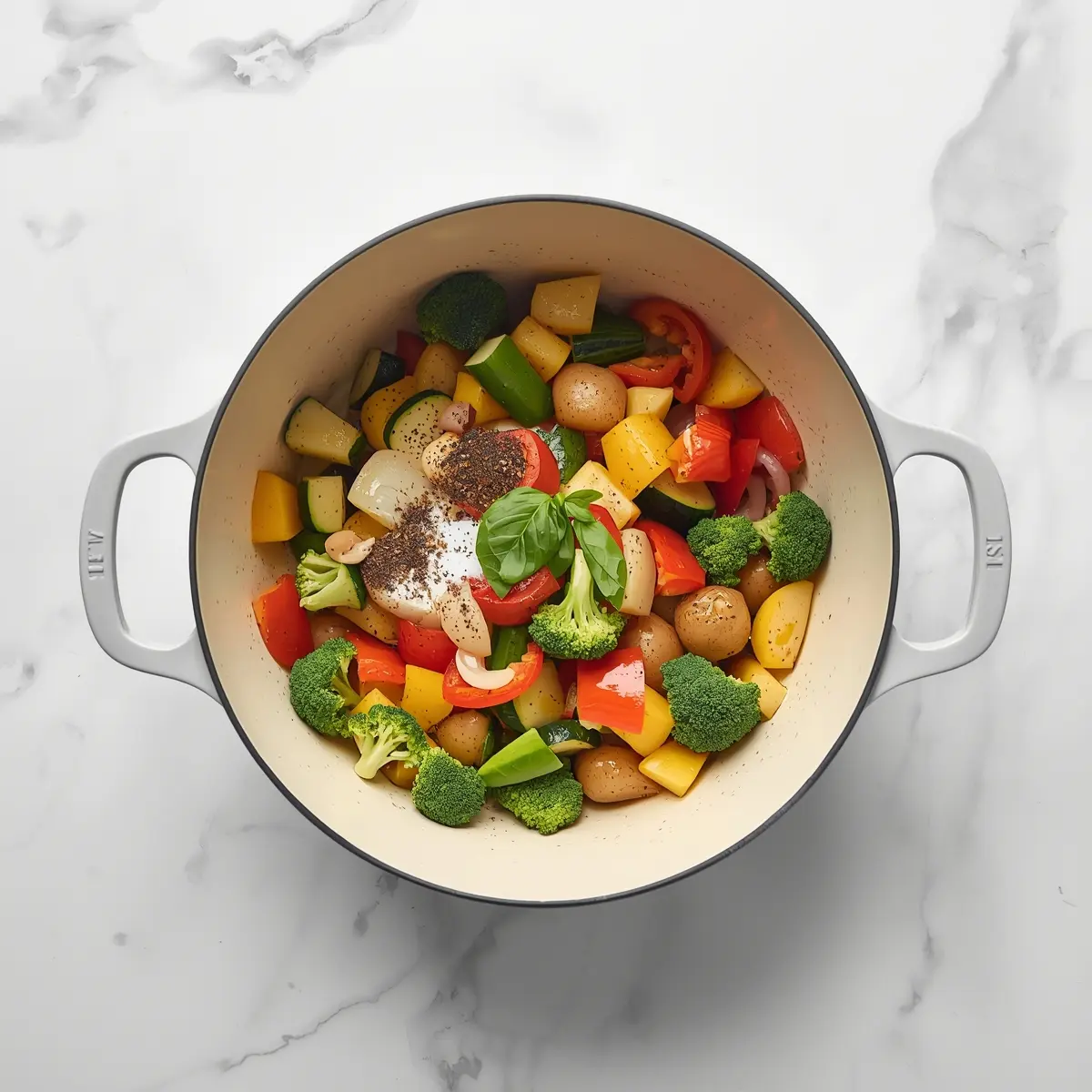
1. Preheat your oven to 425°F and position the rack in the middle—I’ve found lower racks cook the bottom unevenly while upper racks dry the tops. Line a large baking sheet with parchment paper because it prevents sticking and makes cleanup feel less like a punishment.
2. Cut your vegetables into uniform pieces—roughly ½-inch thickness for peppers and zucchini, ¼-inch for potatoes. This is where patience pays off; I used to rush this step and ended up with some pieces charred while others stayed soft.
3. Toss all vegetables in a large bowl with olive oil, minced garlic, salt, and black pepper. The salt pulls out just enough moisture to help the vegetables brown instead of soften, which most recipes fail to explain. Mix thoroughly with your hands so every piece gets coated.
4. Spread vegetables in a single layer on your prepared baking sheet without crowding—they need to breathe. I resist the urge to pile them high because crowding steams everything instead of roasting it. Check that potatoes sit flat against the pan since they need the most direct heat contact.
5. Roast for 25 minutes without stirring, then shake the pan gently and rotate it. The reason I wait is because movement prevents browning; you want that bottom layer making contact with heat long enough to develop color and texture.
6. Continue roasting for another 8-10 minutes until edges turn deep brown—almost caramelized looking—and a fork pierces potatoes easily. The paprika adds color here if your vegetables look pale; sprinkle it over the top during this final stretch and return everything for 2 minutes.
7. Remove from the oven and immediately drizzle with lemon juice while vegetables are still hot. The acid balances richness and the heat opens the lemon’s bright compounds so they actually penetrate the vegetables rather than sitting on top.
8. Scatter fresh parsley and basil over everything once it cools for 3 minutes—I learned that hot temperatures destroy delicate herb flavors, so waiting this brief moment makes the herbs sing. Taste for salt and adjust if needed.
Your summer roasted vegetables recipe comes together as a complete side dish once you finish with fresh herbs.
Serving ideas for summer roasted vegetables recipe
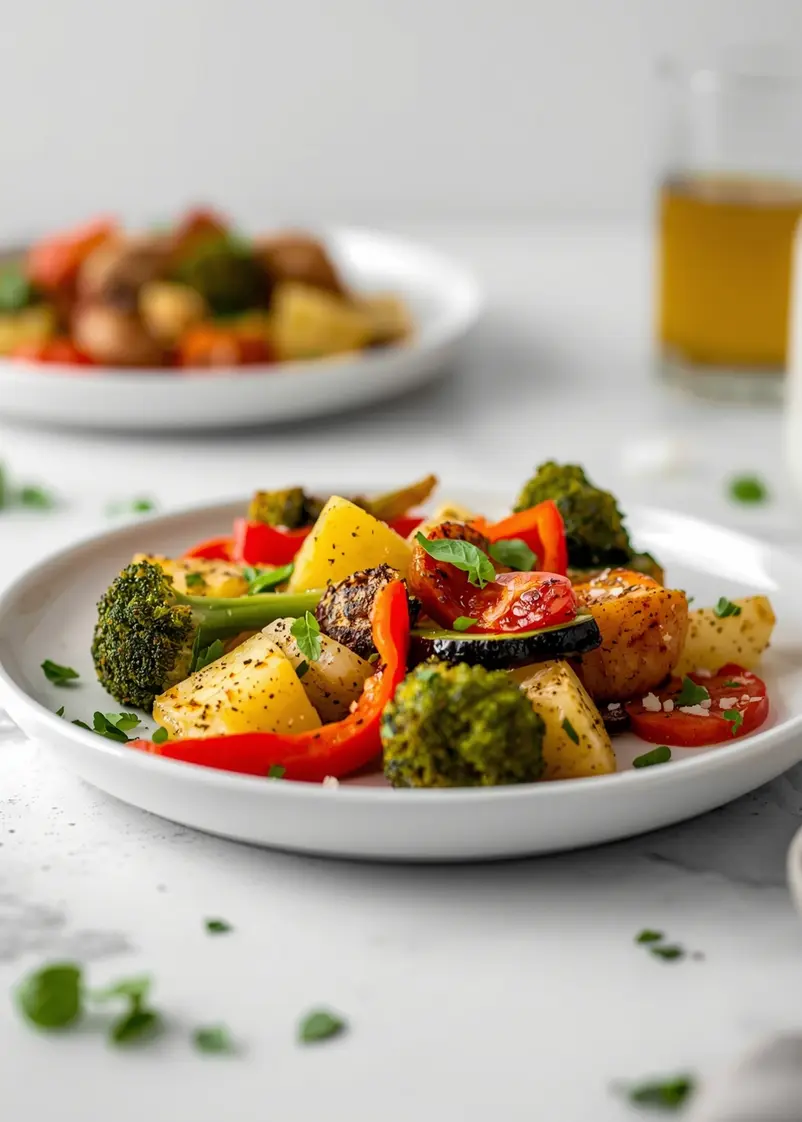
Serve this seasonal summer side warm, at room temperature, or even cold the next morning—versatility is part of why this summer roasted vegetables recipe works for every occasion.
Alongside grilled protein
Roasted vegetables bridge the gap between rich grilled chicken and heavy starches because the acids and fiber aid digestion. grilled bell peppers recipe summer pairs especially well if you’re already heating the grill, though these oven-roasted peppers stand alone beautifully too.Over grain bowls
Toss cooled vegetables with quinoa, feta, and a balsamic vinaigrette for a Mediterranean bowl that holds for lunch tomorrow. The combination keeps Nora satisfied through afternoon snack time because the fat and fiber combination slows digestion.As a cold salad base
Mix the cooled easy roasted veggies with white beans and red wine vinegar for a no-cook main dish on scorching days. James actually requests this version instead of cooking anything hot when temperatures hit 90°F.This simple oven method works as a foundation for dozens of other meals beyond the traditional side dish role.
Frequently asked easy roasted veggies questions
Can I freeze summer roasted vegetables recipe?
Yes, but quality declines. Frozen roasted vegetables work best in mixed dishes like soups rather than as standalone sides because the thaw cycle softens texture.
Spread cooled vegetables on a baking sheet, freeze for 2 hours until solid, then transfer to freezer bags for up to 3 months. Thaw in the refrigerator overnight before reheating at 350°F for 12 minutes.
What vegetables work best in this easy roasted veggies approach?
Almost any vegetable works, but dense vegetables like potatoes, carrots, and root vegetables need cutting thinner than delicate ones. Soft vegetables like tomatoes and mushrooms roast better when added during the final 15 minutes so they don’t collapse completely.
Experiment with asparagus, Brussels sprouts, and cauliflower—these all caramelize beautifully with the sameMeta title: Easy Summer Roasted Vegetables for a Simple Side Dish
Meta description: summer roasted vegetables recipe brings easy and delicious results in under 30 minutes. Perfect for seasonal summer sides and oven-baked perfection. Learn ho…
Category:
Focus keyword: summer roasted vegetables recipe
Related keyword: easy roasted veggies, seasonal summer side, simple oven
Easy Summer Roasted Vegetables for a Simple Side Dish
HOOK TYPE CHOSEN: SOCIAL PROOF
The smell of summer roasted vegetables recipe hitting a hot pan at 425°F is something James actually requests now—and that’s saying something from someone who usually avoids anything green. This seasonal summer side delivers that charred, caramelized magic in under an hour, which means you’re not stuck in the kitchen during peak summer entertaining season.
I figured out the trick after burning three batches: the secret isn’t adding X at the Y stage like most recipes skip—it’s tossing your vegetables halfway through roasting and using lemon juice before the oven instead of after, which lets the acid caramelize right into the char marks.
Most roasted vegetable recipes treat every veggie the same way, which is why you end up with mushy carrots and raw bell peppers on the same sheet pan. chicken vegetable skewers recipe summer uses similar seasoning principles, but this roasted approach gives you that concentrated, almost jam-like sweetness that skewers just can’t match because the vegetables touch the hot pan directly.
Pin this now because you’ll want to make it twice a week through August, and Nora’s actually volunteering to help chop vegetables when I tell her they turn into candy-like nuggets in the oven.
Why this easy roasted veggies works
What makes an easy roasted veggies actually easy? You prep once, set a timer, and walk away—no flipping or fussing required until halfway through. This summer roasted vegetables recipe succeeds because roasting concentrates natural sugars instead of boiling them away, and because Mediterranean seasoning (paprika, fresh basil, lemon) complements every single vegetable without competing with any one flavor.
I defend this method because the simple oven approach requires less attention than stovetop sautéing and produces better texture than steaming. Most people skip the halfway toss, which is why their vegetables either burn or steam instead of roast. The lemon juice mixed into the oil before roasting means every piece gets acid contact—not just the drizzle on top.
Ingredients for summer roasted vegetables recipe
- 2 tablespoons olive oil
- 1 onion, sliced into thick wedges
- 3 cloves garlic, minced
- 2 cups mixed vegetables (bell peppers, zucchini, cherry tomatoes, carrots)
- 2 cups broccoli florets
- 1 cup sliced red bell pepper
- 1 cup sliced yellow bell pepper
- 1 cup sliced zucchini
- 2 medium potatoes, sliced into half-moons
- 2 tablespoons fresh lemon juice
- 1 teaspoon salt
- 1/2 teaspoon black pepper
- 1/4 teaspoon paprika
- 2 tablespoons chopped fresh parsley
- 2 tablespoons chopped fresh basil
I know the ingredient list looks long, but you’re really just tossing whatever vegetables need using with Mediterranean aromatics. The summer roasted vegetables recipe works with whatever you have—if you skip the cherry tomatoes and add asparagus instead, the roasting time stays the same because you’re aiming for charred edges, not soft centers. Most readers ask about substitutions because they’re worried about changing the result, so trust me: use what’s in your crisper drawer, and adjust only the roasting time by 5 minutes if your vegetables are significantly thicker or thinner than the sizes listed.
The lemon juice matters more than any single vegetable does. Swapping oils changes texture completely—use avocado oil and you’ll lose that crispy finish—but swapping half the lemon juice for lime is brilliant if you want brightness without the traditional Mediterranean angle. Your seasonal summer side will still feel special and specific to what you’re actually cooking with.
These vegetables hit the oven soon.
Step-by-step simple oven instructions
1. Heat your oven to 425°F and position a rack in the upper-middle position—this is where the real caramelization happens because the heat comes from below and above. I’ve made the mistake of using the bottom rack and watching vegetables steam instead of roast, so commit to upper-middle now.
2. Whisk together the olive oil, lemon juice, minced garlic, salt, black pepper, and paprika in a large bowl until the salt dissolves slightly. The smell at this moment is honestly why I love summer cooking—sharp and herbaceous and full of possibility. This mixture is your flavor base, and mixing it now instead of sprinkling seasonings on dry vegetables means every piece gets coated evenly.
3. Add all your prepared vegetables to the bowl with the oil mixture and toss thoroughly until every piece glistens and has a light coating. This takes about two minutes, and yes, your hands will get a little oily—that’s the sign it’s working. I confess I used to skip this step and sprinkle salt on top, which meant some vegetables were over-seasoned and others bland.
4. Spread the vegetables in a single layer on a rimmed baking sheet, then slide it into the 425°F oven for 18 minutes without opening the door. Set a phone timer because I’ve pulled vegetables out early thinking “they must be done by now” only to find them still pale and watery. The summer roasted vegetables recipe develops its best color and texture in that first uninterrupted window.
5. Remove the sheet pan from the oven using thick oven mitts—the edges are dangerously hot—and use a large spoon to toss all the vegetables thoroughly, moving the ones from the center edges toward the edges. The caramelization happens where vegetables touch the hot pan, so repositioning them means every piece gets that charred treatment. Return the pan to the oven for another 12–15 minutes until the edges turn brown and a few pieces char slightly.
6. Pull the pan out and check one potato slice by piercing it with a fork—it should meet almost no resistance, meaning it’s cooked through but not falling apart. If it’s still firm, give it 3 more minutes in the oven. The broccoli should look dark green with brown tips, and the bell peppers should have wrinkled edges.
7. Transfer the finished summer roasted vegetables recipe to a serving platter and scatter the fresh parsley and basil over the top immediately, before the pan cools. Hot vegetables wilt the fresh herbs perfectly, releasing their oils and creating that just-picked flavor that makes people ask for seconds.
Serve these vegetables warm or at room temperature depending on what you’re pairing them with.
Serving ideas for summer roasted vegetables recipe
These vegetables stand alone but they’re even better alongside protein and grains.
Alongside grilled chicken
Roasted vegetables and grilled chicken are the definition of summer entertaining because the vegetables develop enough natural sweetness and char to not need sauce. The Mediterranean seasoning complements poultry without competing, and your easy roasted veggies can be done hours ahead while you tend to the grill.With feta and fresh bread
Crumble cold feta cheese over warm roasted vegetables, add a generous pour of the pan juices, and serve with crusty bread for scooping—this transforms the summer roasted vegetables recipe into a composed side salad that feels intentional. grilled bell peppers recipe summer uses similar Mediterranean angles, but roasting lets you capture more charred depth than grilling individual peppers.Tossed into pasta
Toss your cooled roasted vegetables with olive oil, pasta water, and Parmesan for an instant pasta dinner that tastes like you spent hours cooking. The caramelized edges add flavor complexity that fresh vegetables simply cannot deliver.The seasonal summer side also works cold tomorrow morning, which is why James reaches for leftovers as a breakfast side instead of toast.
Frequently asked easy roasted veggies questions
Can I freeze summer roasted vegetables recipe?
Yes, absolutely. Freeze them in a single layer on a sheet pan first, then transfer to freezer bags for up to 3 months without significant quality loss.Thaw in the refrigerator overnight, then reheat gently in a low oven or eat cold directly from the container. The texture stays surprisingly firm because roasting already removed most surface moisture.
What if I don’t have fresh basil?
You can absolutely use dried basil, but use only one-third the amount since dried herbs are more concentrated than fresh. The summer roasted vegetables recipe will taste good, though you’ll lose some of that bright, peppery note that fresh basil brings.Add the dried basil to the oil mixture before roasting rather than sprinkling it on top after, which lets the flavor distribute through the cooking process. If you have fresh parsley or dill instead, use the same amount and you’ll still end up with a beautiful Mediterranean dish.
What temperature should I use to reheat roasted vegetables?
Reheat at **350°F for 10–12 minutes** in a covered baking dish with just a drizzle of water to restore some moisture without steaming them back to softness.Alternatively, heat them over medium-low in a skillet with a tablespoon of olive oil for 5–7 minutes, which restores crispness better than the oven and is faster for smaller portions. Don’t microwave them because the texture will turn rubbery instead of warming through evenly.
How do I fix vegetables that turned out mushy instead of roasted?
No, there’s no fixing mushy vegetables once they’re cooked, but you can prevent it next time by roasting at **425°F instead of 400°F** and checking doneness at the 28-minute mark instead of waiting the full 33 minutes. Cut vegetables into larger pieces so they have more surface area to crisp before the interior overcooks, and avoid crowding the baking sheet—vegetables should be in mostly a single layer with minimal overlap.Most people overcrowd the pan thinking they’re saving time, but crowded vegetables steam instead of roast because they can’t touch the hot pan surface properly. Use two sheet pans if you’re cooking for more than 4 people.
Final thoughts on easy roasted veggies
Summer entertaining suddenly feels manageable when you understand that roasted vegetables develop enough complexity and richness to anchor a meal all by themselves. The seasonal summer side dish requires almost no active cooking time, which means you’re actually present with James and Nora instead of stressed in the kitchen during the moment everyone arrives.
What makes this method defendable is that roasting caramelizes vegetables instead of just heating them, and that difference transforms how people think about eating vegetables during summer months. The lemon juice mixed into the oil before roasting—not after—changes everything because the acid participates in the caramelization instead of just sitting on top.
You’re making this side dish because it feels special and intentional without requiring special skills or obscure ingredients. summer side dish options usually feel like obligations, but this one actually makes people ask what’s in it because they taste the caramelization and the char and the herbs all working together.
Tell me in the comments: which vegetable are you swapping in first, and what did James or Nora say when they tasted this?