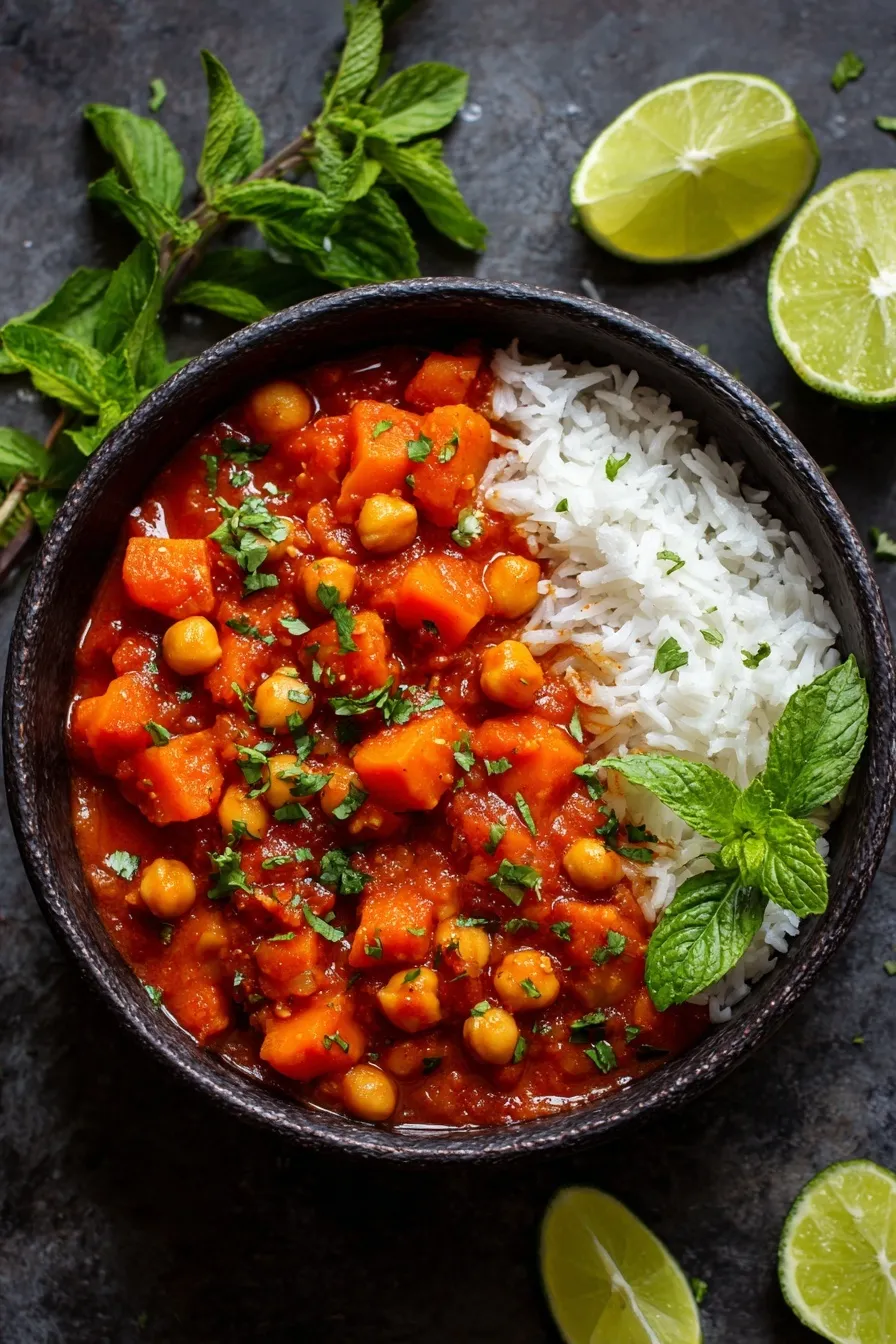
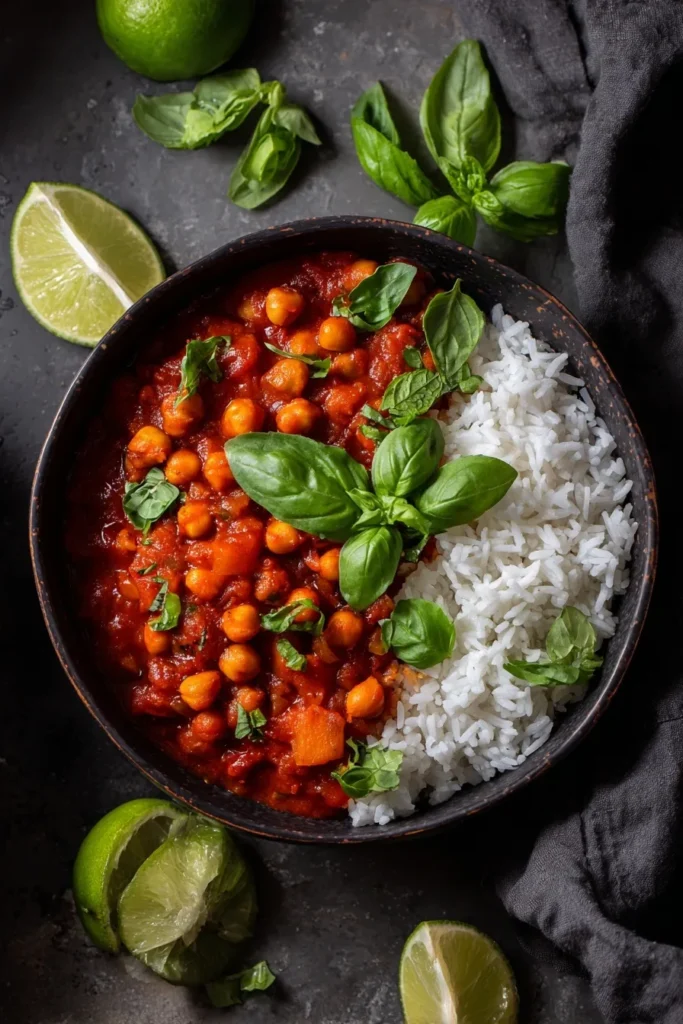
This butternut squash curry with chickpeas transforms simple ingredients into restaurant-quality Thai-inspired comfort food in just 60 minutes. Tender roasted squash, hearty chickpeas, and warming spices in rich coconut milk create the ultimate plant-based one-pot meal.
Since you’re here, make sure to check out these related recipes:
- Simple Thai Mango Chickpea Curry
- Quick Creamy Coconut Butter Bean Curry
- Easy Indian Chicken Curry Restaurant Quality
- Easy Thai Coconut Curry Noodle
- Simple Vegan Greek Sheet Pan Dinner
Why This Butternut Squash Curry Recipe Works
Ever wonder why homemade curry never tastes as rich and complex as restaurant versions? The secret lies in properly blooming the spices and building layers of flavor. This butternut squash curry with chickpeas recipe solves the common problem of bland vegetarian curries by creating depth through aromatics, partially blending for creaminess, and finishing with fresh herbs.
The genius of this recipe is the technique of partially blending the curry—leaving some squash chunks while creating a naturally thick, creamy base without added thickeners. You’re not just throwing ingredients in a pot—you’re building restaurant-quality flavor with caramelized aromatics, toasted curry paste, and fresh lemongrass. The coconut milk adds richness while chickpeas provide protein. 🍛
Here’s what makes this recipe a winner:
• Plant-based and nutritious – Fiber-rich chickpeas and vitamin-loaded squash ✨
• One-pot comfort food – Everything cooks together for easy cleanup
• Ready in under an hour – Perfect for busy weeknight dinners
• Customizable heat level – Adjust curry paste and chilies to taste
• Pantry-friendly – Most ingredients are shelf-stable and easy to find
The combination of sweet butternut squash, creamy coconut milk, aromatic spices, and fresh herbs creates addictive layers of flavor. This isn’t just curry—it’s the reason you’ll meal prep it every week.
Ingredients
Want to know the secret to curry with perfectly tender squash that doesn’t turn mushy? It’s all about cutting 1-inch cubes and proper simmering temperature.
For the Curry Base:
- 1 1/2 tablespoons coconut oil
- 1 large onion, diced
- 2 medium carrots, diced
- Kosher salt, to taste
- 4 garlic cloves, minced
- 2-inch piece fresh ginger, grated or minced
- 1-3 bird’s eye chilies, thinly sliced (optional)
- 2 stalks fresh lemongrass, minced or grated (optional but recommended)
- 5 tablespoons red curry paste
- 1 (13.5 ounce) can full-fat coconut milk
- 1 cup low-sodium vegetable broth
- 5 cups peeled and cubed butternut squash (about 2.5 pounds)
For the Additions:
- 2 1/2 tablespoons reduced-sodium soy sauce
- 1 1/2 tablespoons coconut sugar (or maple syrup)
- 2 (15 ounce) cans chickpeas, rinsed and drained
- 4 cups baby spinach or baby kale
For Finishing and Serving:
- 1 tablespoon lime juice or rice vinegar
- 1 large handful fresh cilantro, roughly chopped
- 1 handful Thai basil leaves
- White rice or brown rice for serving
Choose a butternut squash that feels heavy for its size with tan, matte skin and no soft spots. A medium to large squash (about 2.5 pounds) yields the 5 cups cubed squash needed. Pre-cut squash saves time but costs more.
Red curry paste is essential for authentic flavor—brands like Mae Ploy or Thai Kitchen work beautifully. Green curry paste substitutes for different flavor profile. Homemade curry blend works in a pinch using curry powder, paprika, and cayenne.
Full-fat coconut milk creates the signature richness—don’t use light versions. The fat content makes the curry creamy and satisfying. Shake the can well before opening to combine the cream and liquid.
Fresh lemongrass adds authentic Thai flavor that dried versions can’t match. If unavailable, use lemongrass paste or add extra lime juice at the end. Fresh ginger and garlic are non-negotiable for best flavor.
Thai basil has a distinct anise-like flavor that regular basil doesn’t replicate. If you can’t find it, use regular basil plus a pinch of anise seed. Fresh cilantro adds brightness—don’t skip the fresh herbs.
Step-by-Step Instructions
- Prepare your ingredients. Dice the onion and carrots. Mince the garlic and grate the ginger. Slice the chilies thinly. Mince or grate the lemongrass stalks. Cube the butternut squash into 1-inch pieces. Have everything measured and ready.
- Sauté the aromatics. Heat a Dutch oven or large saucepan over medium-high heat. Add coconut oil and let it shimmer. Add diced onion and carrots with a pinch of salt. Cook for 7-8 minutes, stirring occasionally. The vegetables should become tender and lightly browned.
- Bloom the spices. Add minced garlic, grated ginger, sliced chilies, minced lemongrass, and red curry paste. Cook for 2 minutes, stirring constantly. The mixture should smell intensely aromatic. If it starts sticking, add a tablespoon of water. This step develops deep flavor.
- Start the curry base. Add 2-3 tablespoons of coconut milk to the pan first. Let it bubble gently for 1 minute, stirring well. This prevents the curry paste from seizing. Pour in the vegetable broth, scraping up browned bits from the bottom. 🥥
- Add remaining liquids and squash. Pour in the rest of the coconut milk. Add the cubed butternut squash, soy sauce, and coconut sugar. Stir everything together well. Bring to a boil over high heat.
- Simmer until tender. Reduce heat to medium-low to maintain a rapid simmer. Cook uncovered for 20 minutes or until squash is fork-tender. Stir occasionally to prevent sticking. The squash should be soft but still hold its shape.
- Partially blend the curry. Turn off the heat. Use an immersion blender to blend roughly half the curry directly in the pot. Leave some squash chunks for texture. If using a regular blender, carefully transfer half the curry, blend until smooth, then return to the pot.
- Add chickpeas and greens. Stir in the rinsed and drained chickpeas. Return the pot to a gentle simmer. Once simmering, add the baby spinach or kale. Cook, stirring, just until greens wilt, about 2-3 minutes. Don’t overcook or they’ll become slimy.
- Finish with brightness. Turn off the heat. Stir in the lime juice or rice vinegar. Taste and adjust salt if needed. The curry should be well-balanced with sweet, salty, and tangy notes.
- Add fresh herbs and serve. Tear the Thai basil leaves to release oils. Add them with chopped cilantro to the curry. Stir gently. Spoon curry over bowls of rice. Garnish with extra herbs. Serve immediately while hot and fragrant.
Essential Equipment for Butternut Squash Curry
Here’s what you need to make this aromatic curry turn out perfectly.
Large Dutch Oven (6-8 Quart)
A heavy-bottomed pot distributes heat evenly for proper simmering without scorching. The high sides prevent splattering when blending hot liquid directly in the pot.
Immersion Blender
Blending curry partially right in the pot is safer and easier than transferring hot liquid. The handheld design creates creamy texture while leaving desired chunks intact.
Sharp Chef’s Knife (8-10 Inch)
Peeling and cubing butternut squash requires a sharp, heavy blade. Mincing aromatics like garlic, ginger, and lemongrass needs precision a dull knife can’t provide.
Box Grater or Microplane
Grating ginger releases more flavor than mincing. A grater also works perfectly for zesting limes and grating lemongrass stalks for maximum aromatic oils.
Le Creuset Enameled Cast Iron Dutch Oven (PREMIUM)
Restaurant-quality enameled cast iron retains heat beautifully for perfect simmering. The beautiful colors transition from stovetop to table, and they last generations with proper care.
Vitamix Immersion Blender (PREMIUM)
Professional immersion blenders puree hot liquids safely with powerful motors. The variable speed control creates perfect texture from chunky to completely smooth with precision.
What to Serve With Butternut Squash Curry
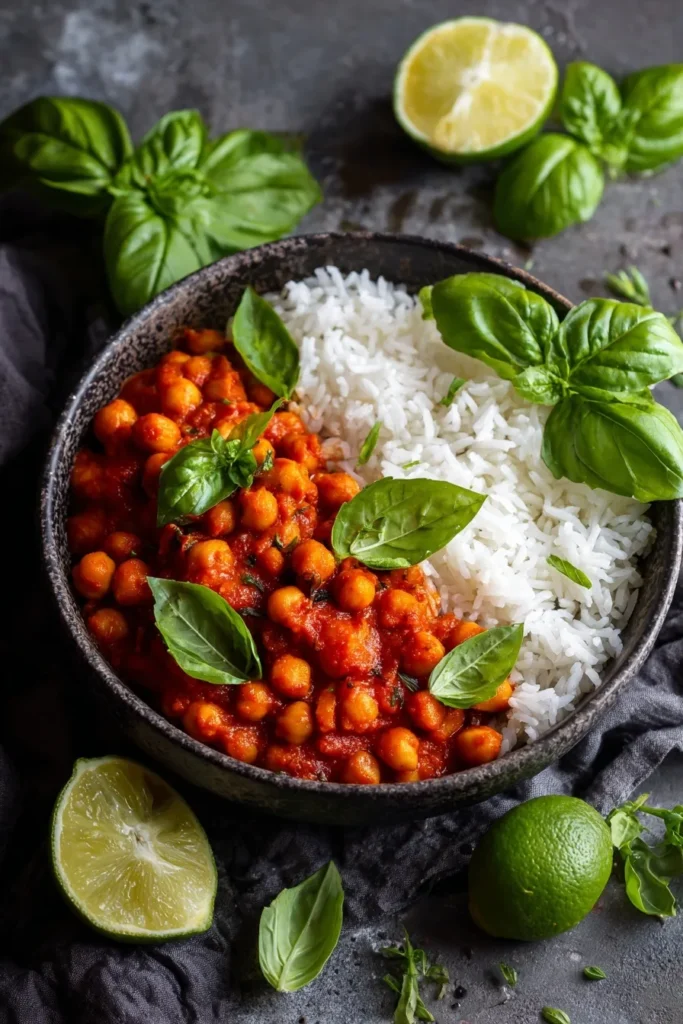
Looking for the perfect sides to complement this rich, aromatic curry?
Serve with my Easy Thai Coconut Curry Noodle technique over rice noodles instead of rice. Both preparations showcase Thai flavors beautifully in different formats.
Fluffy jasmine rice or brown rice soaks up the creamy coconut sauce perfectly. The neutral rice balances the bold curry spices. Cook rice ahead of time for quickest dinner assembly.
Try my Simple Thai Mango Chickpea Curry for similar curry vibes with different vegetables. Both recipes use pantry staples and come together quickly.
Warm naan bread or pita makes excellent curry scoopers. The soft bread complements spicy curry perfectly. Toast it lightly before serving for better texture and flavor.
Cauliflower rice keeps things lighter and lower-carb. The mild flavor lets the curry shine. Or try quinoa for extra protein and nutty flavor that complements curry spices.
Simple cucumber salad with rice vinegar provides cooling contrast. The crisp, acidic salad balances warm, rich curry beautifully. Slice cucumbers thinly and dress right before serving.
For protein addition, serve with my Easy Indian Chicken Curry Restaurant Quality for meat-eaters. Both curries work on the same table for mixed dietary preferences.
Storage and Reheating Guide
Refrigerator Storage
Store butternut squash curry in airtight containers for up to 5 days in the refrigerator. The flavors actually improve after sitting overnight. Keep fresh herbs separate and add when reheating for brightest flavor.
Freezer Storage
Freeze curry in freezer-safe containers or bags for up to 3 months. Portion into individual servings for easy grab-and-go lunches. The butternut squash and chickpeas hold up well, though texture may be slightly softer after thawing.
Reheating Instructions
Reheat gently on the stovetop over medium-low heat, stirring occasionally until heated through. Microwave in 30-second intervals, stirring between each. Add a splash of coconut milk or broth if too thick.
Pro Storage Tips
• Cool curry completely before refrigerating to prevent bacteria growth
• Stir well before serving since coconut milk may separate when cold
• Add fresh cilantro and Thai basil after reheating, not before storing
• Label freezer containers with date and reheating instructions for easy reference
Recipe Variations
Want to switch things up for different flavors or dietary preferences?
Sweet Potato Chickpea Curry
Replace butternut squash with sweet potatoes cut into 1-inch cubes. The cooking time remains the same. Sweet potatoes add earthier flavor while maintaining the same creamy texture.
Green Curry Version
Use green curry paste instead of red for herbaceous, slightly less sweet flavor. Add Thai eggplant if available. The green curry has brighter, grassier notes from green chilies and herbs.
Protein-Packed Version
Try my Quick Creamy Coconut Butter Bean Curry technique and add cubed firm tofu along with chickpeas. Press and pan-fry tofu first for better texture and golden edges.
Massaman Curry Style
Use Massaman curry paste instead of red curry. Add roasted peanuts and a cinnamon stick. This creates milder, sweeter curry with warming spices more typical of massaman.
Instant Pot Adaptation
Sauté aromatics using the sauté function. Add everything except spinach and herbs. Pressure cook on high for 8 minutes. Quick release. Stir in greens and herbs. The squash becomes very soft this way.
Extra Veggie Version
Add 2 cups cauliflower florets, bell pepper strips, or green beans during the simmering step. More vegetables increase volume and nutrients without adding many calories.
Pro Tips & Tricks
Curious about the insider secrets to making restaurant-quality curry at home?
• Cut squash into 1-inch cubes for perfect texture—smaller pieces turn mushy 🍛
• Bloom aromatics properly for 7-8 minutes—this develops deep flavor foundation
• Add coconut milk gradually starting with a few spoonfuls to prevent curry paste seizing
• Partially blend only half the curry—chunks provide textural contrast
• Add spinach last 2-3 minutes only—overcooked greens become slimy
• Use full-fat coconut milk—light versions lack richness and creaminess
• Tear Thai basil instead of chopping to release maximum aromatic oils ✨
• Taste and adjust salt at the end—soy sauce adds saltiness already
• Scrape browned bits from pan bottom when adding liquid—that’s pure flavor
• Let curry rest 5 minutes before serving for flavors to meld completely
• Garnish generously with fresh herbs—they brighten the whole dish significantly
Frequently Asked Questions
Q: Can you make butternut squash curry ahead of time?
Yes! Make the curry up to 5 days ahead and store in the refrigerator. The flavors actually improve after sitting overnight. Add fresh herbs when reheating for brightest flavor and aroma.
Q: How long does butternut squash curry last?
This curry stays fresh for up to 5 days when stored in airtight containers in the refrigerator. Freeze for up to 3 months for longer storage. Thaw overnight before reheating gently.
Q: Can I make this curry without coconut milk?
You can use cashew cream or full-fat oat milk, but the flavor will be different. Coconut milk provides signature richness and complements Thai spices. Light coconut milk works but won’t be as creamy.
Q: Is butternut squash curry spicy?
The heat level depends on your curry paste brand and whether you add chilies. Start with less curry paste (3 tablespoons) and no chilies for mild curry. Add more to taste for desired spice level.
Q: Can I use canned butternut squash?
Fresh butternut squash tastes significantly better with better texture. If using canned, add it during the last 10 minutes since it’s already soft. Pre-cut fresh squash works great as a time-saver.
Q: Why is my curry watery?
Simmer uncovered to allow liquid to reduce and thicken. Partially blending creates natural thickness. If still thin, simmer longer or add a cornstarch slurry (1 tablespoon cornstarch mixed with 2 tablespoons water).
Q: Can I make this curry in a slow cooker?
Yes! Sauté aromatics and curry paste on the stovetop first, then transfer everything to a slow cooker. Cook on low for 6-8 hours or high for 3-4 hours. Add greens during last 30 minutes.
Q: What can I substitute for lemongrass?
Use lemongrass paste (1 teaspoon per stalk) or add extra lime juice at the end. Fresh lemon zest also provides citrus notes. The curry will still be delicious without lemongrass.
Q: What to serve with butternut squash curry?
Serve over jasmine rice, brown rice, or cauliflower rice with naan bread on the side. My Simple Thai Mango Chickpea Curry offers similar Thai-inspired flavors with different vegetables.
Ready to Make This Cozy Curry?
This butternut squash curry with chickpeas delivers restaurant-quality Thai flavors in your own kitchen—perfect for impressing dinner guests or treating yourself. Your family will think you spent all day cooking when this actually comes together in just one hour. The creamy coconut base, tender squash, and fresh herbs create layers of comfort in every bowl.
The meal prep-friendly nature means you can make a big batch on Sunday and enjoy it all week. This curry works beautifully for busy weeknights, lunch prep, or cozy weekend dinners when you want something warming and nourishing.
📌 Don’t forget to save this butternut squash curry recipe to your Vegan Recipes or Curry Recipes board on Pinterest! Trust me, you’ll want to come back to this one all year long.