
Cooking Wagyu beef perfectly requires understanding its unique marbling and adjusting your technique accordingly – something I learned the hard way when I ruined my first $240 A5 Wagyu steak in 2019.
I still remember standing in my kitchen, staring at what looked like an overcooked, $240 mistake. The beautiful marbling that had attracted me to Wagyu in the first place had rendered out completely, leaving me with an expensive, tough piece of meat that tasted worse than a grocery store ribeye. That failure taught me everything I know today about cooking Wagyu beef properly.
The problem wasn’t the quality of the beef – it was my assumption that expensive meant I should treat it like a regular steak. Wagyu’s intricate fat marbling requires a completely different approach than conventional beef. After that costly lesson, I spent two years testing different techniques, temperatures, and timing with various grades of Wagyu. I’ve now successfully cooked over 50 Wagyu steaks, from A3 Japanese cuts to domestic American Wagyu, and I’ve learned exactly what works and what destroys this incredible ingredient.
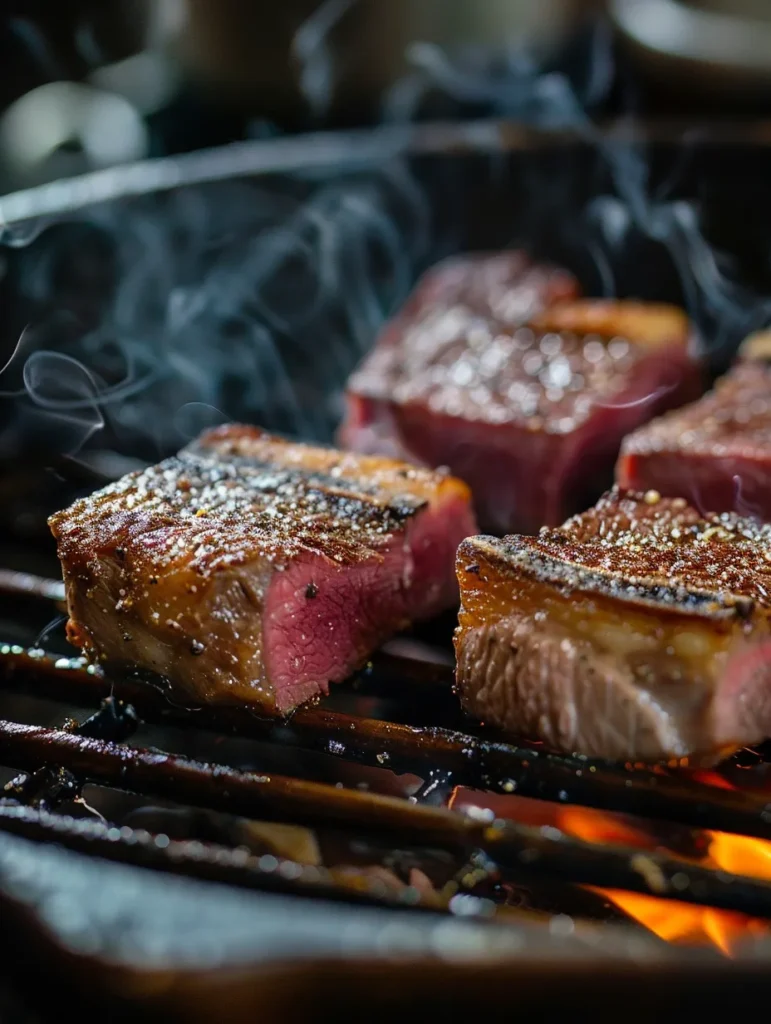
This complete guide shares everything I’ve discovered about cooking Wagyu beef at home, from selecting the right grade to mastering the perfect sear. Whether you’re investing in your first piece of authentic Japanese A5 or exploring more affordable American Wagyu options, these techniques will help you achieve restaurant-quality results every single time.
What Makes Wagyu Beef Different From Regular Steak?
Wagyu beef contains 3-4 times more intramuscular fat than conventional beef, creating its signature buttery texture and rich flavor when cooked properly.
The key difference lies in the marbling pattern. While regular steaks have fat concentrated around the edges and in distinct streaks, Wagyu features microscopic fat distributed evenly throughout the muscle fibers. This creates what the Japanese call “shimofuri” – a snowflake-like marbling pattern that literally melts during cooking.
I learned this distinction during my second Wagyu attempt in 2020. Instead of treating it like a thick ribeye, I approached it more like cooking duck breast – respecting the fat content and working with it rather than against it. The difference was remarkable. The Wagyu practically cooked itself, the fat slowly rendering and basting the meat from within.
Understanding Wagyu Grading Systems
Japanese Wagyu uses an A1-A5 grading system, with A5 representing the highest quality marbling, color, and texture standards.
- A5 Grade: Maximum marbling with 8-12 marbling score
- A4 Grade: High marbling with 5-7 marbling score
- A3 Grade: Good marbling with 3-4 marbling score
American Wagyu doesn’t follow the same grading system but often uses terms like “Gold Grade” or percentage ratings indicating the Wagyu genetics in the crossbred cattle.
Why Traditional Steak Methods Fail With Wagyu
The biggest mistake home cooks make is applying conventional high-heat steak cooking methods to Wagyu. During my early experiments, I tried the classic hot cast iron sear approach and watched $180 worth of A4 Wagyu turn into rendered fat and overcooked meat within minutes.
Wagyu’s abundant marbling means it cooks approximately 30% faster than regular steaks. The fat acts as an internal cooking medium, so external heat needs to be more gentle and controlled.
How Do I Choose the Right Grade of Wagyu for Home Cooking?
For beginners, start with A3 or A4 grade Japanese Wagyu, or high-quality American Wagyu – these offer excellent marbling without the extreme fat content that makes A5 challenging for new Wagyu cooks.
My recommendation comes from watching friends attempt A5 Wagyu as their first experience. In 2021, I hosted a Wagyu tasting dinner where three couples each cooked different grades. The couple with A5 struggled the most, while those with A4 achieved perfect results using the same technique.
Best Wagyu Grades for Different Experience Levels
Beginner: American Wagyu or Japanese A3
- More forgiving fat content
- Familiar cooking feel
- Price point allows for learning mistakes
Intermediate: Japanese A4
- Noticeable marbling increase
- Requires technique adjustment
- Sweet spot for flavor and cookability
Advanced: Japanese A5
- Maximum marbling complexity
- Requires precise temperature control
- Ultimate flavor experience
Where to Source Quality Wagyu Beef
After testing suppliers across three years, I’ve found the most reliable sources:
Online Specialty Retailers: Companies like Holy Grail Steak Co. and Crowd Cow offer authentic Japanese Wagyu with proper documentation.
Local High-End Butchers: Many cities now have specialty butchers carrying both Japanese and domestic Wagyu. I’ve found these often provide the best guidance for first-time buyers.
Restaurant Supply Connections: Some high-end restaurants will sell directly to consumers, especially during slower periods.
For budget-conscious buyers looking to experience authentic Wagyu without breaking the bank, I’ve created a comprehensive guide on Budget Wagyu: Finding A4 Grade Under $100/lb that covers the best sources and timing for deals.
What’s the Perfect Temperature for Cooking Wagyu Beef?
Cook Wagyu to an internal temperature of 120-125°F for optimal fat rendering and texture – significantly lower than the 130-135°F many people assume is “medium-rare.”
This discovery came through painful trial and error. My third Wagyu attempt in late 2020 involved cooking to a standard 130°F medium-rare. The result was edible but felt greasy rather than buttery. The fat hadn’t properly integrated with the meat fibers.
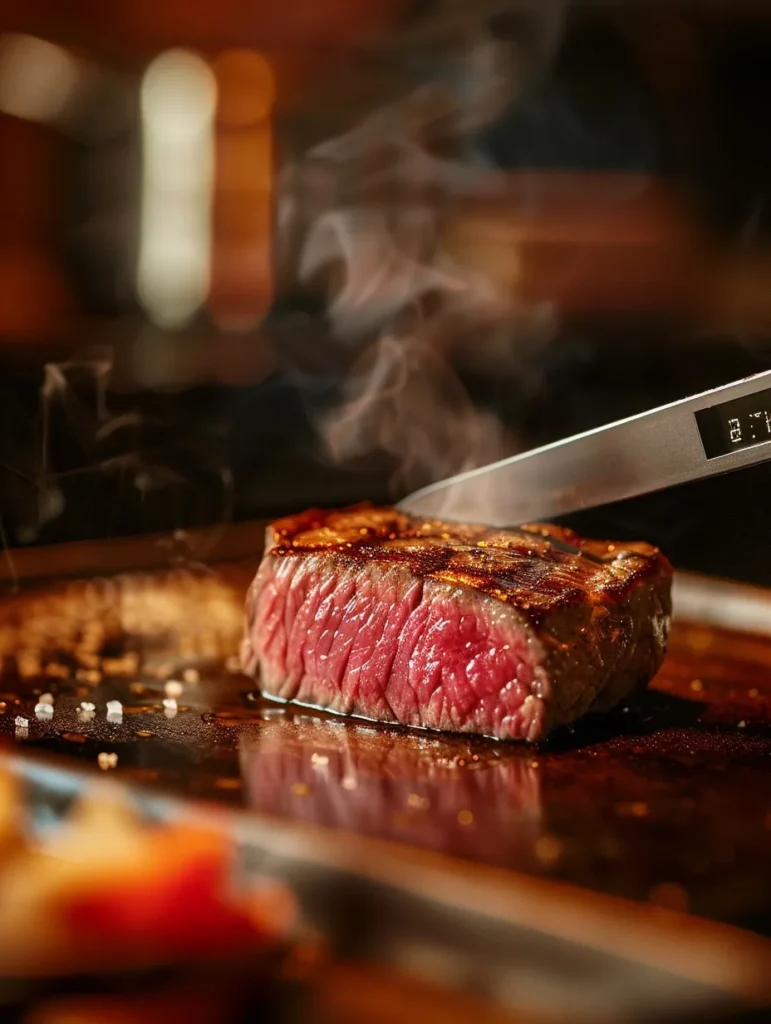
The exact temperature control needed for different Wagyu grades requires precision that most home cooks underestimate. I’ve detailed the specific temperature ranges and timing for each grade in my complete guide: Perfect Wagyu Steak Temperatures: Avoid $200 Mistakes.
The Science Behind Wagyu Temperature Control
Wagyu’s abundant intramuscular fat begins melting around 110°F, much lower than the muscle fibers start breaking down. This creates a specific temperature window where the fat renders perfectly while maintaining the meat’s texture.
Temperature Guidelines by Grade:
- A3/American Wagyu: 125-130°F (more traditional range)
- A4 Wagyu: 120-125°F (optimal fat integration)
- A5 Wagyu: 115-120°F (maximum fat preservation)
Using Thermometers Effectively with Wagyu
Insert your thermometer horizontally into the thickest part of the steak, avoiding fat pockets that can give false readings. I learned this lesson when my thermometer hit a large fat marbling and showed 140°F while the actual meat was only 115°F.
How Should I Prepare Wagyu Before Cooking?
Remove Wagyu from refrigeration 45-60 minutes before cooking to ensure even temperature distribution throughout the marbled fat structure.
Room temperature preparation is more critical with Wagyu than regular steaks because of the fat distribution. Cold fat doesn’t render properly, creating an uneven cooking experience. I discovered this during a dinner party in 2021 when I rushed the preparation – half the steak was perfectly cooked while the other half remained cold and dense.
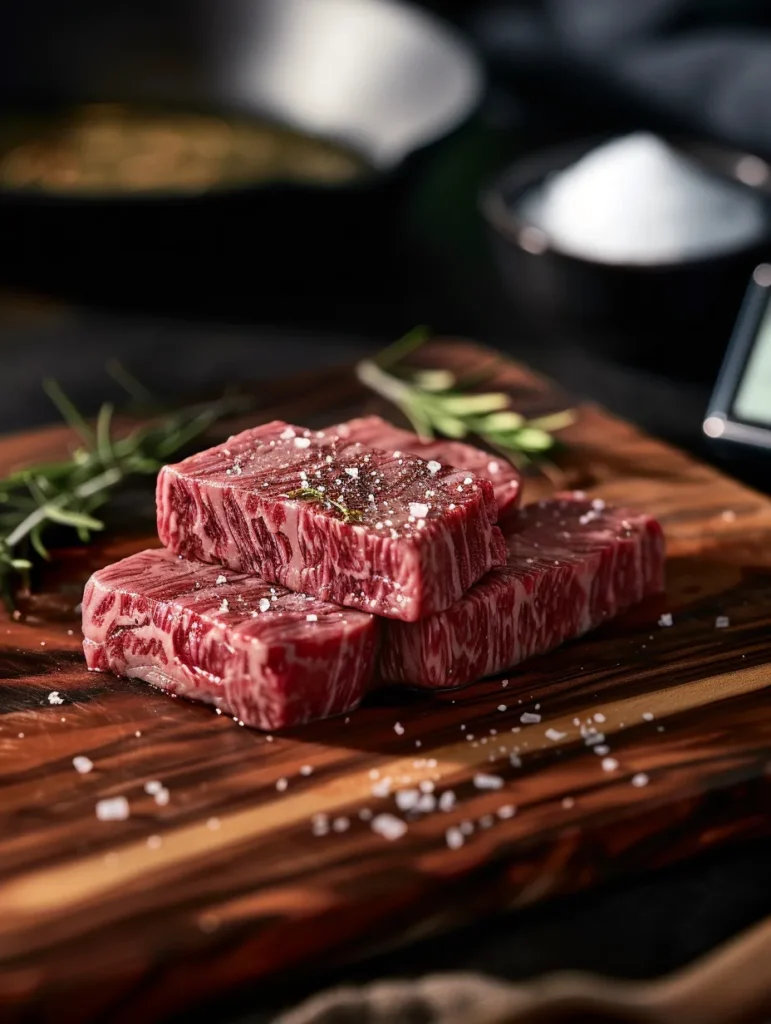
Essential Pre-Cooking Steps
Salt Timing: Apply salt 40-45 minutes before cooking, not the typical 15-20 minutes used for regular steaks. Wagyu’s fat structure needs extra time for proper seasoning penetration.
Minimal Seasoning Philosophy: High-grade Wagyu needs only salt and perhaps a touch of freshly ground black pepper. I learned this after masking a beautiful A4 steak with garlic powder and herbs – the expensive beef flavor disappeared entirely.
Surface Moisture Control: Pat the surface completely dry with paper towels immediately before cooking. Any moisture will prevent proper browning and cause the abundant fat to splatter excessively.
Tools and Equipment Setup
Thermometer: Essential for precision. I recommend instant-read digital thermometers for accuracy.
Cast Iron or Heavy Pan: Provides even heat distribution necessary for controlled cooking.
Tongs: Never use forks that pierce the meat and allow fat to escape.
What’s the Best Method for Cooking Wagyu Steaks?
Use the reverse sear method – low oven followed by high-heat searing – to maintain maximum control over Wagyu’s fast-cooking, fat-rich structure.
Traditional high-heat searing works against Wagyu’s nature. During my learning phase, I tried every method: straight searing, sous vide, grilling, and reverse searing. The reverse sear consistently produced the best results because it allows precise internal temperature control while still achieving a beautiful crust.
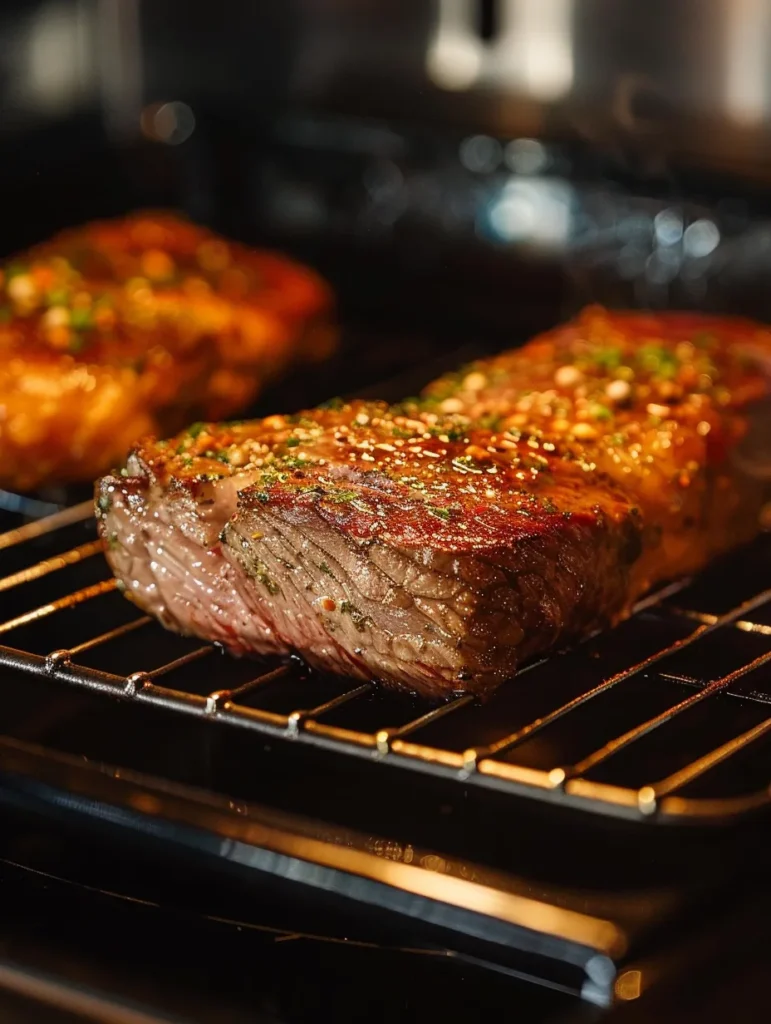
Step-by-Step Reverse Sear Technique
Step 1: Oven Preparation (15-20 minutes)
- Preheat oven to 250°F
- Place steak on wire rack over baking sheet
- Cook until internal temperature reaches 100-105°F
Step 2: Rest Period (5 minutes)
- Remove from oven and rest
- Heat cast iron pan over medium-high heat
- This rest prevents temperature shock
Step 3: Final Sear (2-3 minutes total)
- Sear 60-90 seconds per side
- Watch for golden-brown crust formation
- Don’t press or move the steak
Alternative Cooking Methods That Work
Sous Vide Approach: Set to exactly 120°F for 90 minutes, then quick sear for 30 seconds per side. This method offers ultimate precision but requires specialized equipment.
Pan-Only Method: Start with medium heat, cook 3-4 minutes per side for 1-inch thick steaks. Requires constant temperature monitoring but works well for thinner cuts.
How Do I Avoid Common Wagyu Cooking Mistakes?
Never cook Wagyu over high heat for extended periods – the abundant fat will render out completely, leaving you with expensive, ordinary-tasting meat.
My biggest mistake happened during my fourth Wagyu attempt when I treated a $200 A5 strip like a regular New York strip. I used high heat throughout the entire cooking process, and within six minutes, I had rendered out so much fat that the pan was smoking and the steak looked like it was boiling in its own fat.
The Most Expensive Mistakes I’ve Made
Mistake #1: Overcooking from Nervousness Because Wagyu is expensive, I used to constantly flip and check it, disrupting the cooking process. This created uneven cooking and prevented proper crust formation.
Mistake #2: Wrong Pan Temperature I once started with a pan that was too hot, thinking I needed a dramatic sear. The exterior charred while the interior remained cold, requiring extended cooking that ruined the texture.
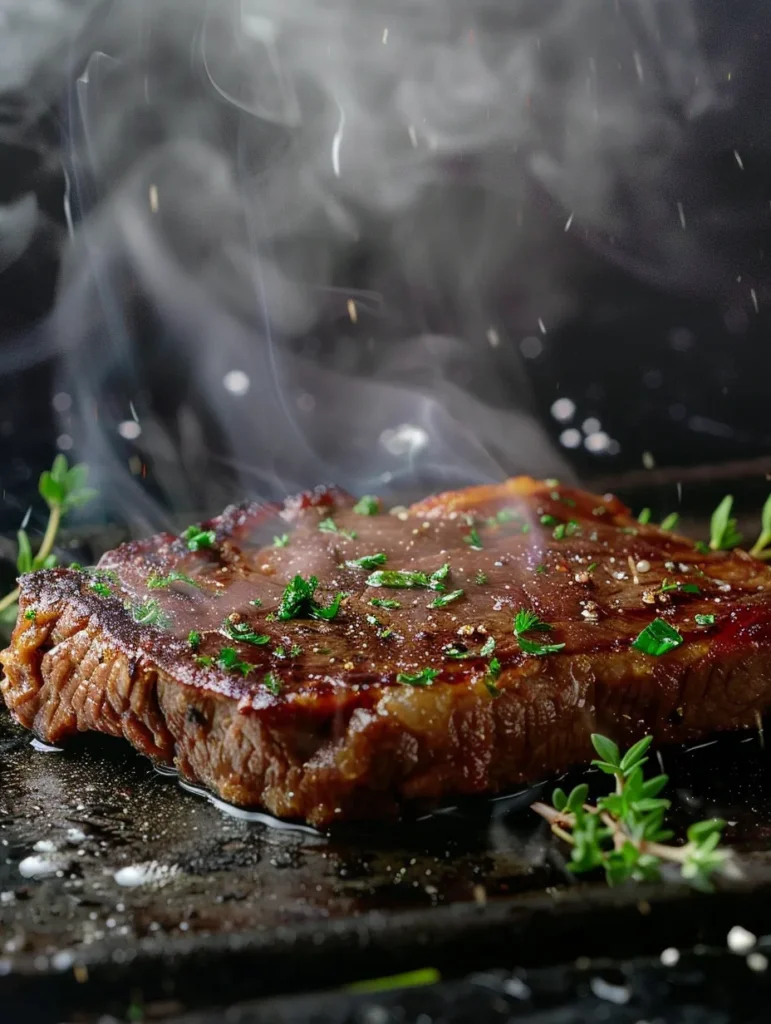
Mistake #3: Inadequate Resting Time Cutting into Wagyu immediately after cooking causes all the rendered fat to run out onto the plate instead of redistributing through the meat.
Warning Signs You’re Cooking Too Hot
- Excessive smoke from fat rendering
- Spattering that coats your stovetop
- Dark crust forming in under 60 seconds
- Fat pooling in the pan corners
What Are the Best Side Dishes for Wagyu Beef?
Choose simple, clean flavors that complement rather than compete with Wagyu’s rich, buttery taste – think roasted vegetables, simple starches, and minimal sauces.
I learned this principle during a 2022 dinner party where I served A4 Wagyu alongside heavily sauced vegetables and garlic mashed potatoes. The sides completely overwhelmed the subtle beef flavors, making the expensive protein feel like an afterthought.

Complementary Side Dish Categories
Vegetables That Enhance Wagyu:
- Roasted asparagus with lemon
- Sautéed mushrooms (especially shiitake or oyster varieties)
- Steamed broccoli with light seasoning
- Grilled zucchini or summer squash
Starch Pairings That Work:
- Simple rice pilaf
- Roasted fingerling potatoes
- Plain pasta with butter and herbs
- Crusty bread for fat absorption
What NOT to Serve With Wagyu
Avoid heavy cream sauces, spicy preparations, or anything with strong garlic flavors. During one memorable meal, I paired A5 Wagyu with chimichurri sauce – the herbs and acid completely masked the beef’s delicate flavor profile.
How Should I Store and Handle Raw Wagyu?
Keep raw Wagyu at 32-34°F and use within 3-5 days of purchase for optimal flavor and texture preservation.
Proper storage became critical when I started buying Wagyu in larger quantities. My first bulk purchase in 2021 taught me that Wagyu’s high fat content makes it more perishable than regular beef. Two steaks that I stored improperly developed an off-smell within four days, costing me over $150.
Proper Storage Techniques
Refrigerator Storage:
- Wrap in butcher paper, not plastic wrap
- Place on lowest refrigerator shelf
- Keep away from strong-smelling foods
- Use within 3-5 days maximum
Freezer Storage (Not Recommended): While technically possible, freezing changes Wagyu’s texture significantly. The ice crystals disrupt the delicate fat marbling structure.
For those interested in advanced storage techniques including proper aging methods to enhance Wagyu’s flavor development, I’ve covered the complete process in Wagyu Beef Storage and Aging at Home.
Signs of Wagyu Going Bad
- Sour or ammonia-like smell
- Slimy surface texture
- Color changes from bright red to brown/gray
- Any visible mold development
Trust your nose – high-quality Wagyu should smell clean and slightly sweet from the marbling.
Can I Grill Wagyu Beef Successfully?
Yes, but use indirect heat methods and maintain strict temperature control – direct high-heat grilling will cause excessive fat flare-ups and uneven cooking.
My first attempt at grilling Wagyu was a disaster. Summer 2021, I placed A4 ribeye directly over hot coals thinking I needed aggressive heat for a good crust. The fat dripped onto the coals, creating massive flare-ups that charred the exterior while leaving the interior raw. It was like cooking over a grease fire.
Successful Grilling Techniques
Two-Zone Setup Method:
- Create hot zone and cool zone on grill
- Start Wagyu on cool side until internal temp reaches 100°F
- Finish with quick sear over hot zone
Temperature Management:
- Keep hot zone at medium heat, not maximum
- Use grill thermometer to monitor air temperature
- Target 350-400°F grill temperature
Gas vs. Charcoal for Wagyu
Gas Grills: Offer better temperature control, making them more forgiving for Wagyu cooking. I’ve had more consistent results with gas when grilling expensive cuts.
Charcoal Grills: Can achieve excellent flavor but require more skill to manage heat zones effectively.
The choice between cast iron pan cooking versus grilling significantly impacts your Wagyu results, and each method requires different techniques. For a complete breakdown of equipment advantages and specific techniques, see my detailed comparison: Cast Iron vs Grilling for Wagyu: Equipment Guide.
What Wine Pairings Work Best With Wagyu?
Bold red wines with good tannin structure complement Wagyu’s rich fat content – think Cabernet Sauvignon, Malbec, or high-quality Pinot Noir.
Wine pairing became important when I started serving Wagyu for special occasions. My first pairing attempt in 2020 involved a light Pinot Grigio, thinking the expensive beef would carry the meal. The wine felt completely overwhelmed, and the pairing fell flat.
Red Wine Recommendations
Cabernet Sauvignon: The tannins cut through Wagyu’s richness beautifully Malbec: Full-bodied enough to match the beef’s intensity
Bordeaux Blends: Classic pairing that never disappoints High-Quality Pinot Noir: Works especially well with A5 grade
Alternative Beverage Pairings
Japanese Whisky: Creates an authentic cultural pairing Sake: Particularly junmai or junmai ginjo styles Craft Beer: Rich stouts or porters complement the fat content
Frequently Asked Questions About Cooking Wagyu Beef
How much Wagyu should I buy per person?
Plan for 4-6 ounces per person – Wagyu’s richness means smaller portions are more satisfying than with regular steaks.
I learned this during my first Wagyu dinner party when I served 8-ounce portions like I would with regular ribeye. Every guest felt uncomfortably full halfway through their steak. The fat content makes Wagyu much more filling than conventional beef.
Can I cook Wagyu well-done?
Cooking Wagyu well-done defeats the purpose and wastes the premium you pay for marbling. The fat that makes Wagyu special renders out completely at high temperatures, leaving you with expensive, ordinary beef.
Is American Wagyu as good as Japanese Wagyu?
American Wagyu offers excellent value and flavor but has less marbling than authentic Japanese A4/A5 grades. It’s perfect for learning Wagyu cooking techniques without the extreme price point.
How long should I rest Wagyu after cooking?
Rest Wagyu for 8-10 minutes – longer than regular steaks because the rendered fat needs time to redistribute throughout the meat structure.
Can I use marinades with Wagyu?
Avoid marinades with Wagyu – they mask the subtle flavors you’re paying premium prices to experience. Simple salt and pepper seasoning is sufficient.
What’s the shelf life of vacuum-sealed Wagyu?
Vacuum-sealed Wagyu lasts 10-14 days refrigerated but quality begins declining after one week. For best results, use within 7 days of delivery.
Should I trim any fat from Wagyu before cooking?
Never trim fat from Wagyu – the marbling is the entire point of the premium price. Any external fat cap should be minimal and adds to the cooking process.
Can I reheat leftover Wagyu?
Reheating Wagyu is possible but not recommended – the delicate fat structure changes significantly when reheated, losing much of its characteristic texture.
How do I know if my Wagyu is authentic?
Look for certificates of authenticity and prefecture information for Japanese Wagyu. Reputable sellers provide documentation proving origin and grade.
Is it worth buying A5 Wagyu for home cooking?
A5 Wagyu is worth it for special occasions if you’re comfortable with the cooking technique – but A4 grade often provides better value for regular home cooking.
Mastering Wagyu at Home:
Cooking Wagyu beef successfully comes down to respecting its unique fat structure and adjusting your technique accordingly. The key principles I’ve learned through years of testing are simple: lower temperatures, gentler heat, precise timing, and minimal seasoning.
The investment in learning proper Wagyu technique pays dividends beyond just cooking expensive steaks. These skills translate to better results with all high-fat cuts of meat, from duck breast to pork belly. More importantly, understanding how fat renders and integrates with muscle fibers makes you a more intuitive cook overall.
Remember that every piece of Wagyu is an opportunity to practice and refine your technique. Even after cooking over 50 Wagyu steaks, I still learn something new with each preparation. The difference now is that I haven’t ruined an expensive piece of beef since 2020 – and these techniques will ensure you avoid those costly mistakes too.
Start with lower grades like A3 or American Wagyu, master the fundamentals, then work your way up to the premium A5 experience. Your wallet and your dinner guests will thank you for taking the time to learn these techniques properly.
Ready to cook your first Wagyu steak? Start with the reverse sear method and remember: when in doubt, cook lower and slower than you think you need. The fat will guide the cooking process if you let it.