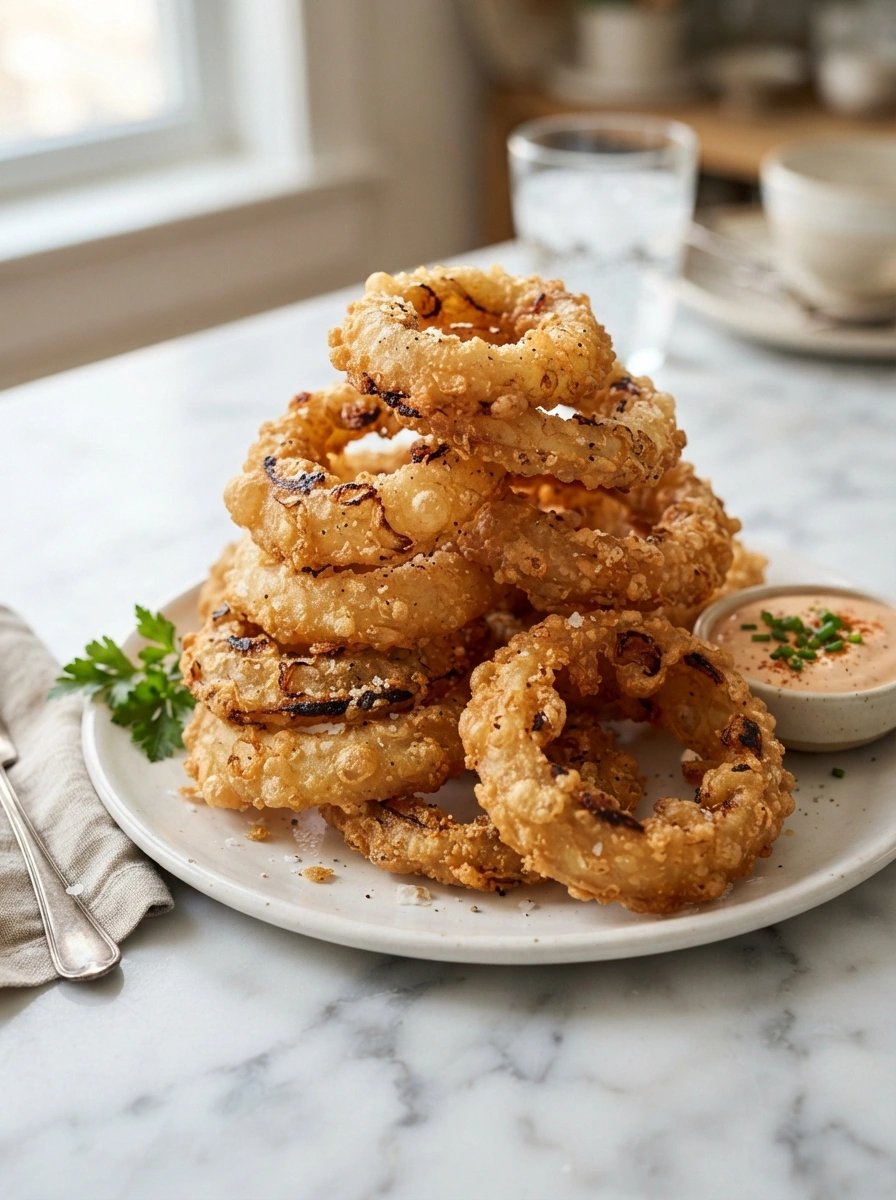

Easter scones recipe are honestly one of my favorite spring baking treats to make when the weather gets warmer and family’s coming over for brunch. I love how they come together in under 35 minutes total, so you can have fresh-baked pastries without spending your whole morning in the kitchen.
These little gems taste like something from a fancy bakery, but they’re actually super easy to throw together. The best part? You get that tender, fluffy texture inside with just the right amount of crumb.
If you’re planning an Easter afternoon tea or just want to impress someone with homemade pastries, this is your sign to bookmark this recipe. Real talk, nothing beats the smell of these baking in your oven.
I’ve made these with my sister dozens of times, and we always debate whether to add the orange zest (spoiler: it’s worth it). Want to know what makes them turn out perfectly every single time? Keep reading.
Why this Easter scones recipe works
Ever notice how some homemade scones turn out dense and dry? That’s usually because people overwork the dough or skip the cold butter trick. I made that exact mistake my first time, and they came out like hockey pucks honestly.
The secret here is keeping everything cold and handling it gently, plus using the right ratio of milk to flour so they stay tender.
- Simple 7-step process with minimal cleanup and basic kitchen tools you already own
- Ready in 35 minutes total from mixing bowl to warm scones on your tea table
- Light and fluffy texture that rivals the bakery version without the fancy equipment or stress
- Naturally beautiful presentation that makes your Easter afternoon tea look Instagram-worthy
| Prep Time | Cook Time | Calories | Servings | Cuisine |
|---|---|---|---|---|
| 20 minutes | 15 minutes | 385 per serving | 8 servings | British |
Ingredients for Easter scones recipe
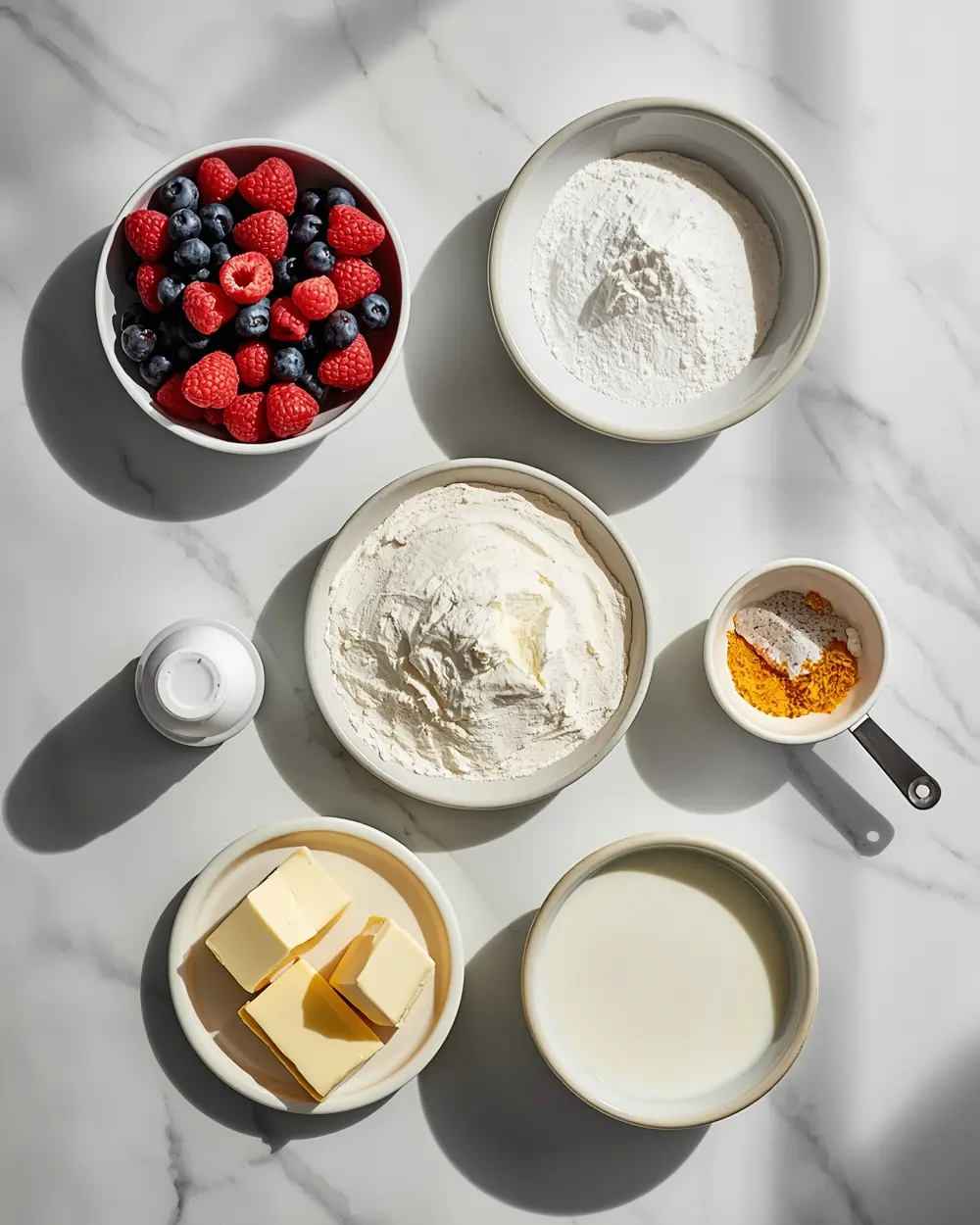
- 2 cups all-purpose flour
- 1/2 cup granulated sugar
- 2 tsp baking powder
- 1/2 tsp salt
- 1/2 cup unsalted butter (cold, cut into cubes)
- 2 large eggs
- 3/4 cup milk
- 1 cup mixed berries (fresh or frozen)
- 1/2 cup clotted cream
- 1 tsp orange zest
Here’s the thing about substitutions — you can absolutely use regular whipped cream instead of clotted cream if that’s what you have on hand, though the clotted cream gives you that authentic English tea pastry richness. I’ve also swapped half the berries with chopped dried fruit when fresh ones weren’t in season.
One honest note: don’t use room temperature butter or your scones will be greasy and flat instead of that gorgeous fluffy texture you’re after. Keep it cold straight from the fridge until you’re ready to mix.
Step-by-step instructions

1. Preheat your oven to 425°F and line a baking sheet with parchment paper. In a large bowl, whisk together the 2 cups flour, 1/2 cup sugar, baking powder, salt, and orange zest until everything’s evenly combined. This dry mixture is your foundation, so don’t skip the whisking step even though it feels simple.
2. Cut the cold butter into small cubes and add them to your flour mixture. Using a pastry cutter, two forks, or your fingertips, work the butter into the flour until it looks like coarse breadcrumbs with some pea-sized butter pieces still visible. Don’t overmix here — you want those little butter pockets for flaky layers.
3. In a separate small bowl, crack both eggs and whisk them together, then pour in the milk and stir until combined. Make a well in the center of your flour mixture and pour the egg-milk mixture in gradually, stirring gently with a fork until you’ve got a soft, shaggy dough that just comes together.
4. Turn your dough out onto a lightly floured surface and gently pat it into a circle about 1 inch thick, being careful not to knead or overwork it (I learned this the hard way by basically kneading it like bread). Fold in your mixed berries gently so they’re distributed throughout but not crushed up into tiny pieces that’ll turn everything pink.
5. Using a 2-inch round biscuit cutter or even the rim of a drinking glass, cut out 8 scones from your dough circle. Place them on your prepared baking sheet about 2 inches apart so they have room to rise and bake evenly without touching each other and steaming where they connect.
6. Bake for 12-15 minutes until the tops are golden brown and the scones have puffed up nicely — they should look light and airy, not dense. You’ll know they’re done when you tap the bottom and it sounds hollow (yes, really, I do this every time).
7. Let them cool on the baking sheet for 2 minutes, then transfer to a wire rack to cool slightly. Serve your Easter scones recipe warm or at room temperature with clotted cream and extra berries on top for that picture-perfect finish.
Serving ideas for Easter scones recipe
These beauties shine brightest when you pair them thoughtfully with complementary flavors and drinks.
Classic clotted cream and jam spread
Split your warm scones in half, add a generous dollop of clotted cream to the bottom half, top with fresh berries or a spoonful of jam, then crown it with the scone top. This is the traditional English tea pastry way, and honestly, it’s hard to beat because the warm scone slightly melts the cream into pure heaven.
Lemon curd and whipped cream
Skip the clotted cream and layer lemon curd with whipped cream instead for a bright, springy twist that feels special for Easter afternoon tea. The tartness of the lemon cuts through the richness beautifully and keeps things from feeling too heavy if you’re having multiple treats.
Simple butter and honey drizzle
Toast your scone lightly, spread warm butter on it while it’s still hot, then drizzle with local honey and a sprinkle of the mixed berries on the side. This minimalist approach lets the scone itself shine, plus you can pair it with other spring baking treats for a complete spread.
Pro tips for perfect Easter scones recipe
Storage tips
– Store cooled scones in an airtight container at room temperature for up to 2 days before they start drying out – Freeze baked scones in a freezer bag for up to 3 months and warm them gently before serving – Keep clotted cream refrigerated and use within the expiration date for food safetyMake-ahead instructions
– Mix your dry ingredients the night before and store in an airtight container, then add wet ingredients the morning you bake – Cut out scone shapes, freeze them on a baking sheet for 30 minutes, then bake from frozen (add 2-3 extra minutes to baking time) – Prepare berry and cream toppings separately and assemble just before serving for the freshest tasteVariations
– Swap mixed berries for chocolate chips, dried cranberries, or chopped fresh apples for different flavor profiles – Add 1/2 tsp vanilla extract or 1/4 tsp almond extract to the egg mixture for extra depth – Use half whole wheat flour for a nuttier taste, though your Easter scones recipe will be slightly denserTroubleshooting
– If scones spread flat instead of rising, your oven might be too cool or your baking powder might be old — check the expiration date – Dense, heavy scones mean you overworked the dough — handle it gently and keep hands cool while mixing – Soggy bottoms happen when you overbake slightly — pull them out at 13 minutes if you like them lighter insideFrequently asked questions
Can you freeze Easter scones recipe?
Yes, freeze baked and cooled scones in a freezer bag for up to 3 months, then reheat them at 300°F for 8-10 minutes until warm. Unbaked dough scones also freeze beautifully — just bake them straight from frozen and add 2-3 extra minutes to the baking time for the same golden results.
What if I don’t have clotted cream?
Use regular whipped cream, Greek yogurt, or even mascarpone as substitutes for clotted cream. Heavy cream whipped to soft peaks works in a pinch, though it won’t have quite the same rich, dense texture that makes English tea pastry so special.
Can you reheat leftover scones?
Wrap room-temperature scones in foil and warm them at 300°F for about 8 minutes to refresh them. Don’t microwave them because they’ll get tough and rubbery — the low oven method keeps them tender inside.
Is this Easter scones recipe actually easy for beginners?
Absolutely yes, this is a beginner-friendly recipe that just needs you to avoid overworking the dough and keep your butter cold. The steps are straightforward and forgiving, making it perfect for spring baking treats even if you’ve never made scones before.
Final thoughts
Making your own Easter scones recipe at home is honestly easier than people think, and the payoff is huge when you’re serving fresh pastries at your Easter afternoon tea. Your family and guests will be so impressed, plus you get that amazing kitchen smell while they’re baking.
These spring baking treats come together fast enough for weeknight baking but feel fancy enough for special occasions. The combination of soft scone, bright berries, and rich cream is something people always ask me to make again.
If you’ve been intimidated by scone-making in the past, this is your sign to try again with this foolproof method. Head to the kitchen this weekend and save this for your next tea party — you won’t regret it.
Want another showstopper for your spring table? Check out more Easter afternoon tea recipes that pair perfectly with these scones, or explore other berry cream scones variations to keep things interesting throughout the season.