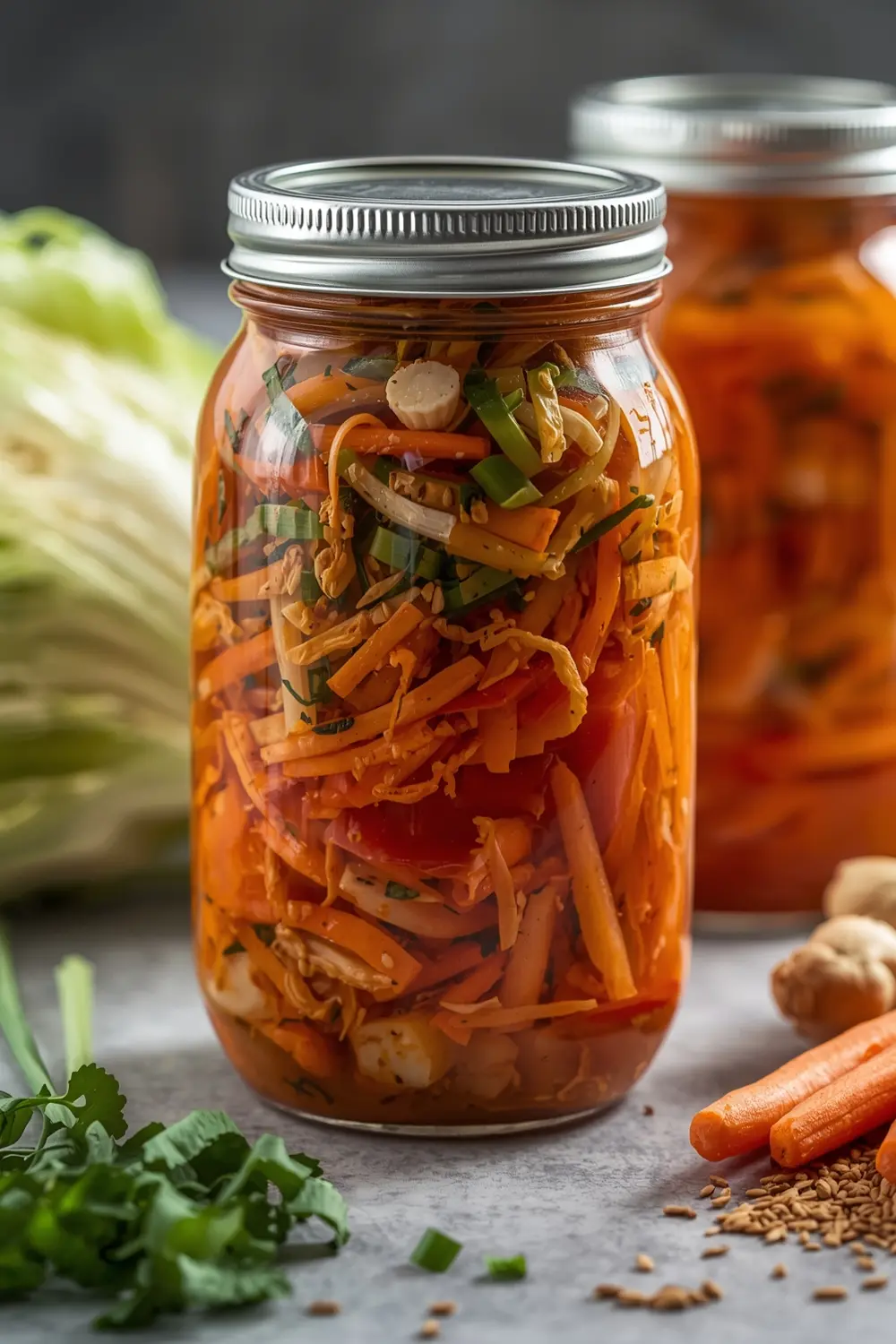
Fermented cabbage kimchi recipe is about to become your weeknight secret weapon. I started making this at home three years ago because I was spending way too much money on store-bought jars, and honestly? Mine tastes so much better.
The fermentation magic happens in your fridge, not on the stove. You’ll have tangy, crunchy homemade kimchi ready to transform boring meals into something special.
This probiotic recipe works because you’re basically creating an environment where good bacteria thrive. If you’re looking to boost your gut health without complicated steps, bookmark this for meal prep day. Plus, building a collection of fermented side dishes means you’ll never run out of flavor options.
Why this fermented cabbage recipe works
Ever wondered why your kitchen smells like a Korean restaurant after day two? That’s the fermentation process doing its thing, and it’s exactly what makes this easy fermented side dish so powerful for your digestive system. I accidentally left mine fermenting for an extra week once, and it actually got better, not worse.
- Creates beneficial probiotics that improve digestion naturally
- Takes just 20 minutes of actual hands-on prep time
- Lasts 3-4 weeks in the fridge for grab-and-go meals
- One batch feeds a family of six for multiple dinners
| Prep Time | Cook Time | Calories | Servings | Cuisine |
|---|---|---|---|---|
| 20 minutes | 0 minutes | 45 per serving | 6 servings | Korean |
Ingredients for fermented cabbage kimchi recipe
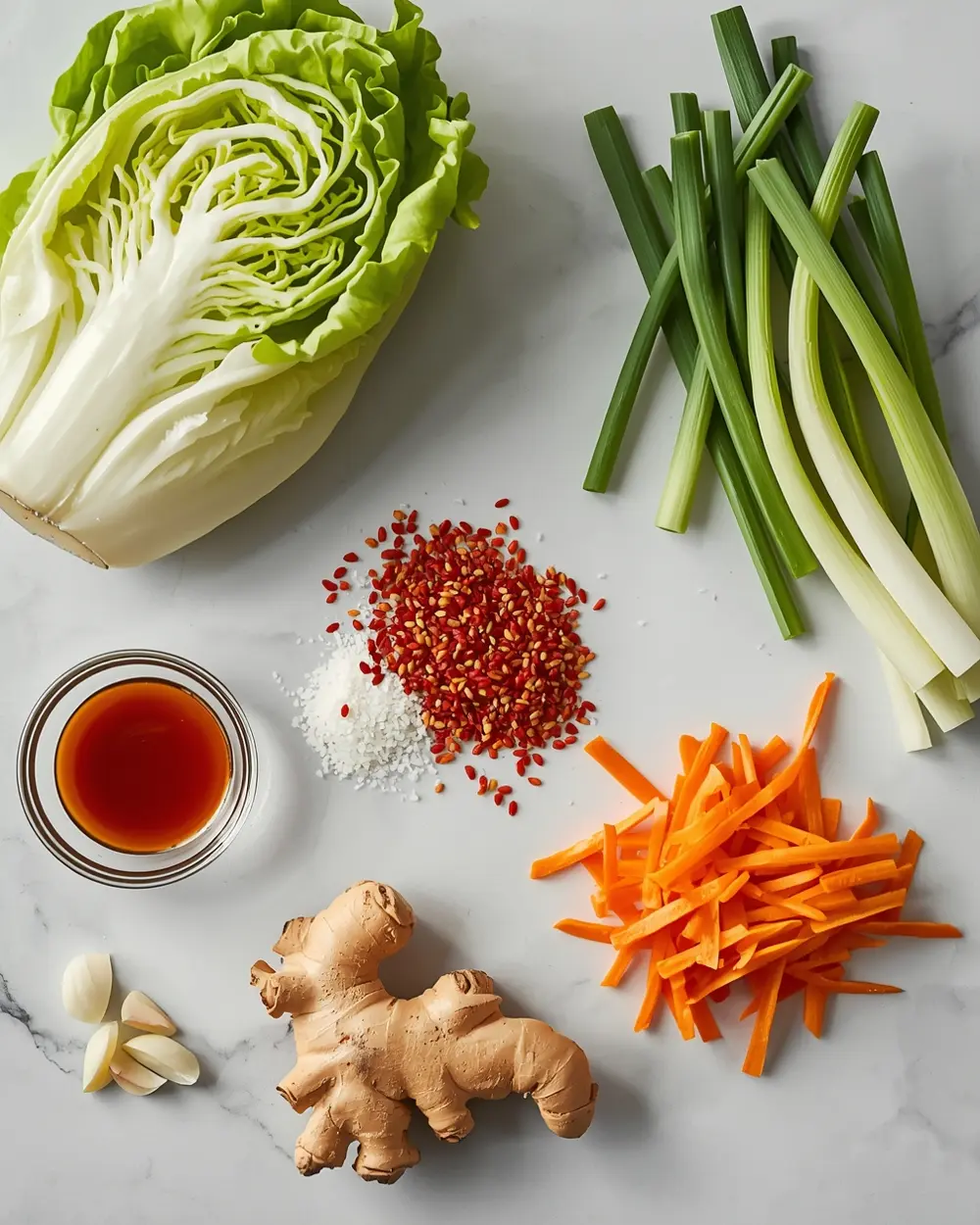
- 1 medium napa cabbage, chopped into 2-inch pieces
- 1/4 cup Korean red pepper flakes
- 2 tablespoons fish sauce
- 2 tablespoons sea salt
- 1 tablespoon sugar
- 3 cloves garlic, minced
- 1 tablespoon grated fresh ginger
- 2 scallions, sliced into 1-inch pieces
- 1 carrot, julienned
- 1/2 cup water
- 1 teaspoon toasted sesame seeds
- 1 tablespoon chopped shrimp
Don’t have Korean red pepper flakes? Regular red pepper flakes work but the flavor won’t be quite as authentic to your homemade kimchi. You can swap the fish sauce for soy sauce if you prefer, though it’ll taste a little less traditional.
Here’s the thing—don’t skip the fish sauce because it’s the soul of fermented cabbage kimchi recipe. I know it smells intense in the jar, but trust me, the finished product tastes incredible. The shrimp adds umami depth that makes people ask for your recipe.
Step-by-step instructions

1. Chop your napa cabbage into 2-inch pieces and place them in a large bowl. Sprinkle with sea salt and use your hands to massage it into the leaves for about 2 minutes. You’ll feel the cabbage start to release its juices and get slightly limp—that’s exactly what you want for this fermented cabbage recipe.
2. Let the salted cabbage sit for 10 minutes while the salt continues breaking down the cell walls. Pour about half the liquid that’s accumulated in the bowl into a separate container—you’ll need this salt brine later. Don’t drain it all out because you want to keep some moisture.
3. Mix your minced garlic, grated ginger, Korean red pepper flakes, sugar, and fish sauce in a small bowl to create your seasoning paste. Add the chopped shrimp to this mixture and stir well. This paste is what transforms plain cabbage into actual kimchi flavor.
4. Add your carrot julienne and sliced scallions to the cabbage bowl. Pour the seasoning paste over everything and use clean hands to massage and combine thoroughly. Make sure every piece of cabbage gets coated—I usually spend about 2 minutes mixing here, getting my hands covered in red spice.
5. Pack your fermented cabbage mixture tightly into a clean glass jar, pressing down as you go. Leave about an inch of headspace at the top because the fermentation creates pressure. Pour that reserved salt brine over the top until the cabbage is submerged under liquid.
6. Sprinkle toasted sesame seeds on top and cover loosely with a lid or cloth. Leave it on your kitchen counter at room temperature for 3-5 days—longer if you like it tangier. I usually taste it on day 3 and decide if it needs more time based on how sour I want it.
7. Once it reaches your preferred flavor, seal the jar tightly and move it to the refrigerator. It’ll keep for 3-4 weeks in the fridge and actually improves as it sits. The fermentation continues slowly in cold storage, so don’t panic if it gets even more sour over time.
Serving ideas for fermented cabbage kimchi recipe
Seriously, once you taste homemade kimchi with the right dish, you’ll never go back to plain side dishes again.
Over steamed rice bowls
Serve your fermented cabbage kimchi recipe with fluffy white or brown rice and grilled chicken breast. The spicy crunch against creamy rice is absolutely unbeatable for busy weeknights. Drizzle with a little sesame oil and you’ve got a complete meal.With grilled fish tacos
Layer your easy fermented kimchi into fish tacos with shredded cabbage and avocado for a Korean-fusion twist. The probiotic crunch cuts through rich fish perfectly. Try pairing this with simple grilled fish recipes for your next dinner party.As a condiment with beef and noodles
Top warm ramen or egg noodles with sliced grilled beef and a generous spoonful of your fermented cabbage. The spice and tang balance rich beef beautifully. Plus it adds that restaurant-quality touch to simple weeknight meals.Pro tips for perfect fermented cabbage kimchi recipe
Storage tips
– Keep your jar sealed in the fridge after fermentation stops – It lasts 3-4 weeks easily, sometimes longer if stored properly – Don’t store at room temperature after fermentation completesMake-ahead instructions
– Prep all vegetables the night before and store in separate containers – Mix your seasoning paste ahead and refrigerate up to 2 days – Fermented cabbage actually tastes better on day 5 than day 3Variations
– Add diced pineapple for subtle sweetness in your fermented cabbage – Mix in sliced radishes for extra crunch alongside cabbage – Try daikon radish instead of carrot for authentic Korean versionsTroubleshooting
– If it looks too watery after day 1, that’s normal and it’ll firm up – Too spicy? Use less red pepper flakes or add more sugar next time – Tastes too salty? You either over-salted or need to dilute the brine with waterFrequently asked questions
Can you freeze fermented cabbage kimchi recipe?
Freezing works but changes the texture from crispy to softer after thawing. I personally don’t recommend it since it keeps perfectly in the fridge for weeks anyway. Refrigeration is truly your best storage method for maintaining that signature crunch.
What can I substitute for fish sauce in this fermented cabbage recipe?
Soy sauce works as a 1-to-1 swap and keeps the umami flavor profile intact. Miso paste mixed with a little water also works nicely. Just know the final taste won’t be quite as traditional as authentic Korean kimchi.
How do I know when my fermented cabbage is done fermenting?
It’s ready when it tastes tangy and spicy enough for your preference, usually between 3-5 days at room temperature. Taste it daily starting on day 3 to find your sweet spot. Once you like the flavor, seal it and refrigerate to slow down fermentation.
Does homemade kimchi contain probiotics like store-bought versions?
Yes, absolutely—fermented cabbage naturally develops beneficial bacteria during the fermentation process. The live probiotics are what make this probiotic recipe so good for your gut health. These bacteria continue multiplying slowly even in the refrigerator.
Final thoughts
Making your own fermented cabbage kimchi recipe at home beats store-bought every single time. Not only is it cheaper, but you control exactly what goes into each jar and how spicy it gets. My family requests this constantly now, and honestly, I’ve started making double batches just to keep up with demand.
The best part? You literally do nothing during fermentation except wait and let bacteria work their magic. Most people are shocked at how easy the process actually is once they try it. exploring more fermented foods and probiotic recipes means your gut health gets tastier every week.
Pin this recipe today and start your first batch this weekend. Your future self (and your digestive system) will thank you.