
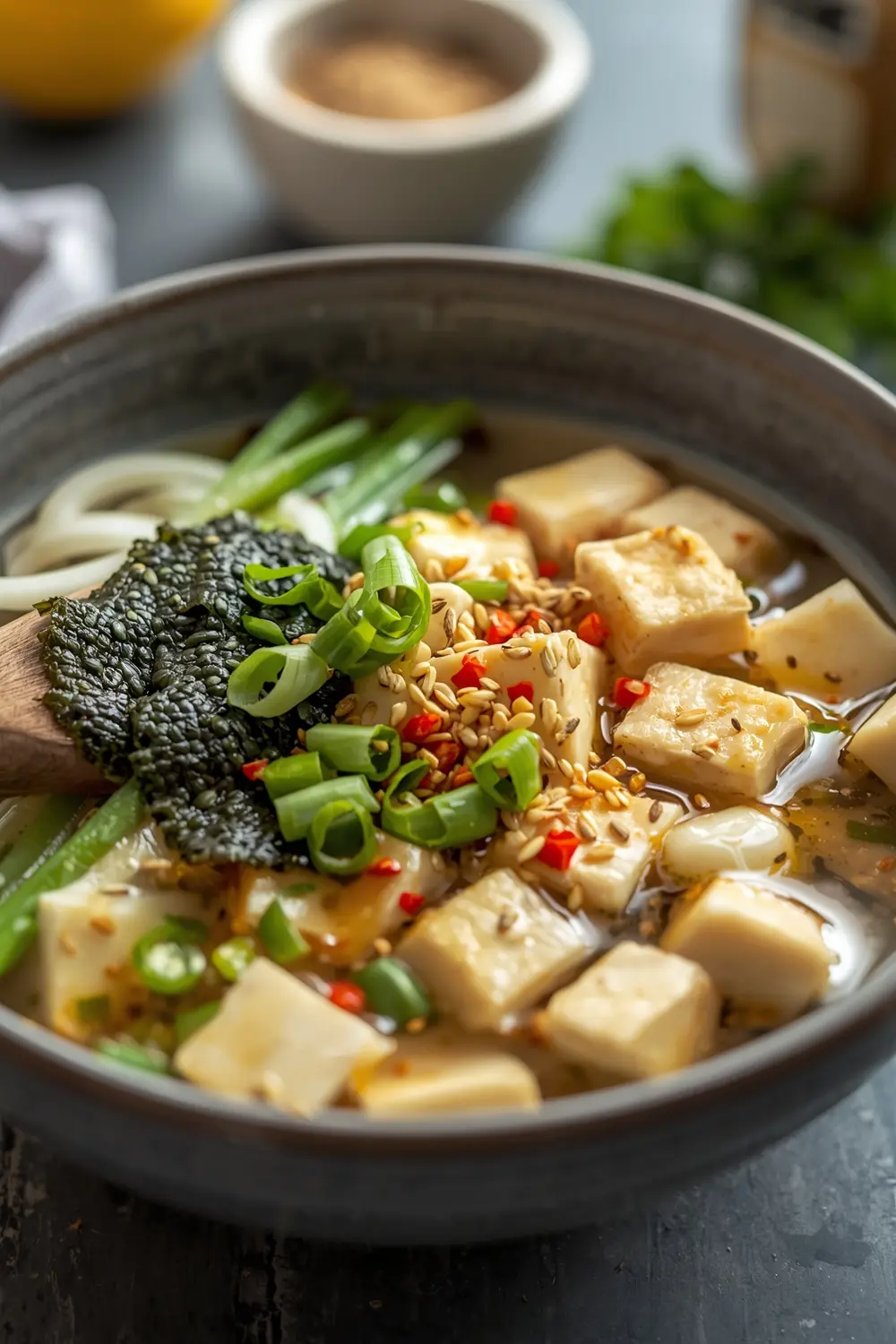
Homemade miso soup is about to become your go-to weeknight dinner. I’m talking 10 minutes from stovetop to bowl, and honestly, it tastes better than anything you’d order out. This Japanese soup hits different when you make it yourself—plus all those gut-friendly probiotics you actually notice.
Know what surprised me most? How simple this actually is. You’re literally just heating broth and stirring in miso paste. No crazy techniques, no obscure ingredients you can’t find.
The best part? You can meal prep this easy miso soup and have it ready for busy mornings or lazy evenings. If you’re looking for quick Japanese soup solutions that actually nourish your body, our other quick broth recipes will blow your mind too.
Save this for later—you’re gonna make it way more often than you think.
Why this miso soup homemade works
Ever wondered why miso soup feels so healing? I started making this after realizing restaurant versions tasted flat compared to mine. This version packs actual flavor AND nutrition into one simple bowl.
- Ready in just 10 minutes—seriously zero stress
- Loaded with probiotics that your gut will thank you for
- Silken tofu adds protein without making it heavy
- Wakame seaweed brings umami depth that makes you want another bowl
| Prep Time | Cook Time | Calories | Servings | Cuisine |
|---|---|---|---|---|
| 10 minutes | 10 minutes | 180 per serving | 4 servings | Japanese |
Ingredients for miso soup homemade
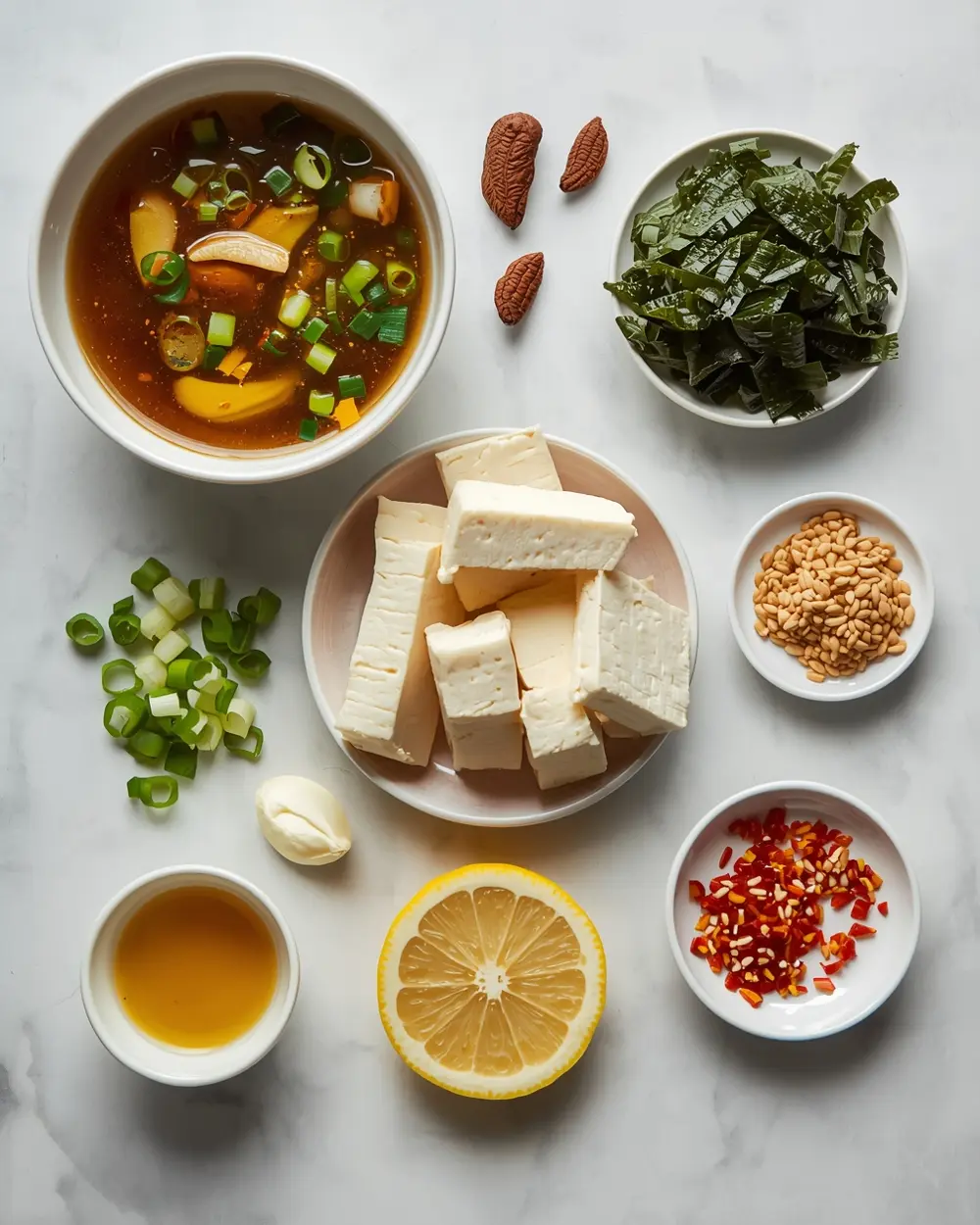
- 4 cups vegetable broth
- 3 tbsp miso paste
- 1 tbsp soy sauce
- 1 tbsp sesame oil
- 1 cup cubed silken tofu
- 1 tsp dried wakame seaweed
- 2 green onions, sliced
- 1 clove garlic, minced
- 1 tsp grated fresh ginger
- 1 tbsp toasted sesame seeds
- 1 tbsp lemon juice
- 1/2 tsp chili flakes
Real talk—miso paste is the star here, so don’t skip it or use anything else. I’ve tried substituting with other pastes and the flavor just doesn’t land the same way.
If you can’t find wakame, nori sheets work, or honestly skip it entirely and your homemade miso soup will still be delicious. Some people add mushrooms or extra veggies, and that’s totally fine—just chop them small so they cook in the time it takes to heat the broth.
Step-by-step instructions
1. Pour 4 cups of vegetable broth into a medium pot and bring it to a gentle simmer over medium-high heat. You’ll hear it start to bubble around the edges—that’s your signal it’s ready. Don’t let it go full boil or you’ll kill some of the beneficial probiotics in the miso paste you’re about to add.
2. While the broth warms, add your minced garlic and grated ginger to the pot. Stir them around for about 30 seconds until the kitchen smells amazing (seriously, this part is worth the recipe alone). The heat will release their oils without cooking them to death.
3. Add the soy sauce and sesame oil to the broth now. Give everything a good stir so the flavors blend together. This is when your easy miso soup starts tasting like the real deal—you’ll notice the color getting richer and deeper.
4. Don’t add the miso paste to boiling water—this is key. Scoop about 1/2 cup of the warm broth into a small bowl, then whisk your 3 tbsp miso paste into it until it’s totally smooth. This prevents lumpy clumps from ruining your homemade miso soup experience.
5. Pour that miso mixture back into the pot slowly while stirring constantly. Keep the heat on medium (not high) so you’re not destroying those probiotics we’re trying to preserve. Taste it and adjust the miso if you want it stronger or milder.
6. Add the cubed silken tofu, wakame seaweed, and lemon juice to the pot. Gently stir everything together and let it heat for 2-3 minutes until the tofu is warmed through. Don’t overcook the tofu or it’ll get kinda mushy and lose its silky texture.
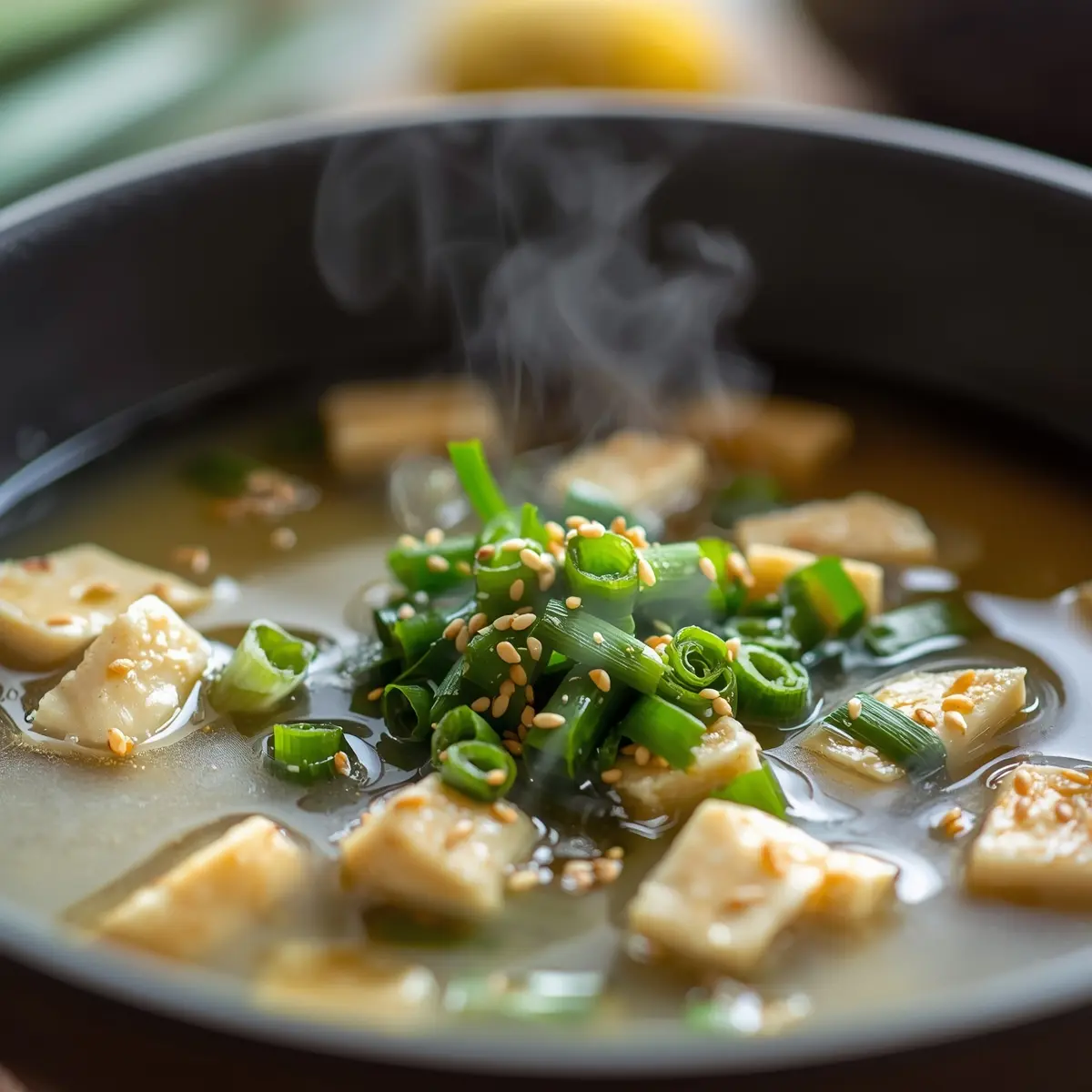
7. Ladle the soup into bowls and top each one with sliced green onions, toasted sesame seeds, and a pinch of chili flakes. Serve immediately while it’s still steaming hot.
Serving ideas for miso soup homemade
This Japanese soup pairs perfectly with tons of different sides to round out your meal.
With steamed rice
A simple bowl of jasmine rice soaks up every drop of that savory broth. The combination feels complete and satisfying, especially when you’ve had a long day and want something grounding.Alongside cucumber salad
Cool, crisp cucumber cuts through the warmth of your miso soup homemade beautifully. This pairing is how they serve it in Japan, and honestly, it’s genius. Our quick Asian salad recipes work amazingly as a side too.With crispy vegetable spring rolls
The crunch of the rolls against the smooth broth creates this texture thing that just works. It turns your easy miso soup into a full meal that feels way fancier than it actually is.Pro tips for perfect miso soup homemade
Storage tips
– Store leftover soup in an airtight container for up to 4 days in the fridge – Keep the miso broth and toppings separate if storing longer than 2 days – Freeze the broth without tofu for up to 3 monthsMake-ahead instructions
– Prep all your veggies and tofu the night before and store them separately – Make the broth base and store it cold, then reheat and finish when you’re ready – Toast your sesame seeds ahead and keep them in a small jarVariations
– Swap silken tofu for firm tofu if you want it to hold its shape better – Add shiitake mushrooms or bok choy for extra depth and greenery – Use chicken broth instead of vegetable broth for a richer version – Stir in a teaspoon of spicy chili oil if you want more kick than the flakes provideTroubleshooting
– If it tastes too salty, add a splash more broth to dilute it – Lumpy miso? That means it got too hot—remember the separate bowl trick next time – Watery texture? The tofu is releasing moisture, which is totally normal and fineFrequently asked questions
Can I freeze miso soup homemade?
Yes, freeze the broth base in ice cube trays or small containers for up to 3 months. Don’t freeze the tofu since it gets weird and watery when thawed—add fresh tofu when you reheat. This makes meal prep super easy because you’ve basically got homemade stock ready anytime.
What’s the best substitute for miso paste?
Honestly, nothing really replaces miso paste exactly, but tamari or soy sauce works if you’re in a total pinch. You’ll lose that deep fermented flavor that makes this soup special, so I’d try to find actual miso paste instead. It’s usually in the Asian section of most grocery stores now.
How do I reheat leftover miso soup?
Reheat gently on the stovetop over medium heat for 3-5 minutes until it’s warm through. Don’t boil it or you’ll wreck those probiotics. If you froze the broth base, thaw it overnight in the fridge first, then reheat the same way.
Does miso soup have gluten?
Most miso paste is naturally gluten-free, but always check the label since some brands add wheat. Soy sauce usually has wheat in it, so grab tamari instead if you’re avoiding gluten. Your easy miso soup can totally be gluten-free with those two simple swaps.
Final thoughts
Making your own miso soup at home is genuinely a game-changer for busy people who actually care about nutrition. You’re getting a probiotic-packed Japanese soup that takes literally 10 minutes and tastes infinitely better than the boxed stuff.
My family requests this constantly now, which tells you everything about how good it is. Plus you know exactly what’s going into your bowl—no mysterious additives or weird preservatives.
If you’re craving more quick gut-friendly recipes, check out our fermented recipes collection for tons of other probiotic options. Pin this for next week’s meal prep and thank yourself later!