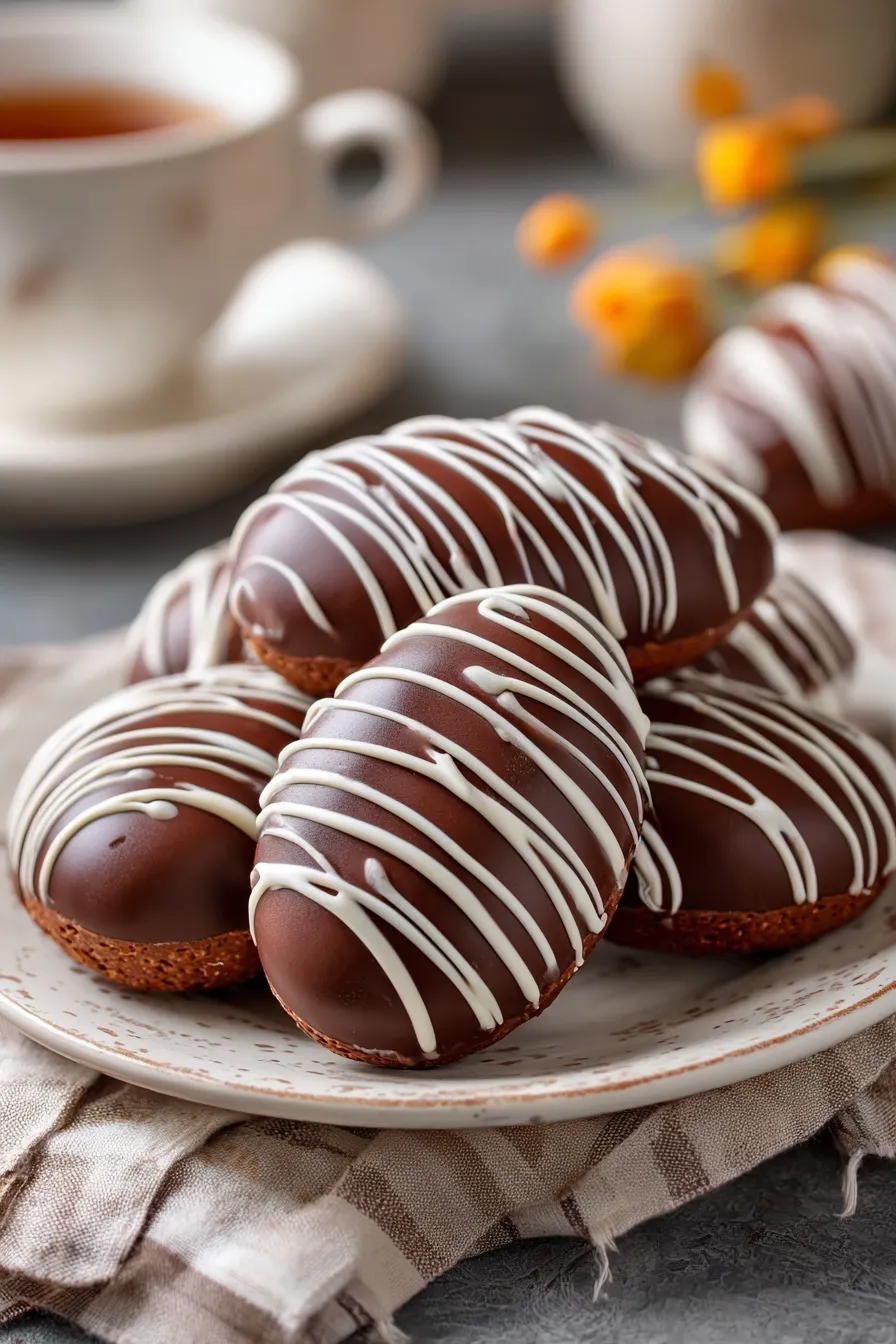
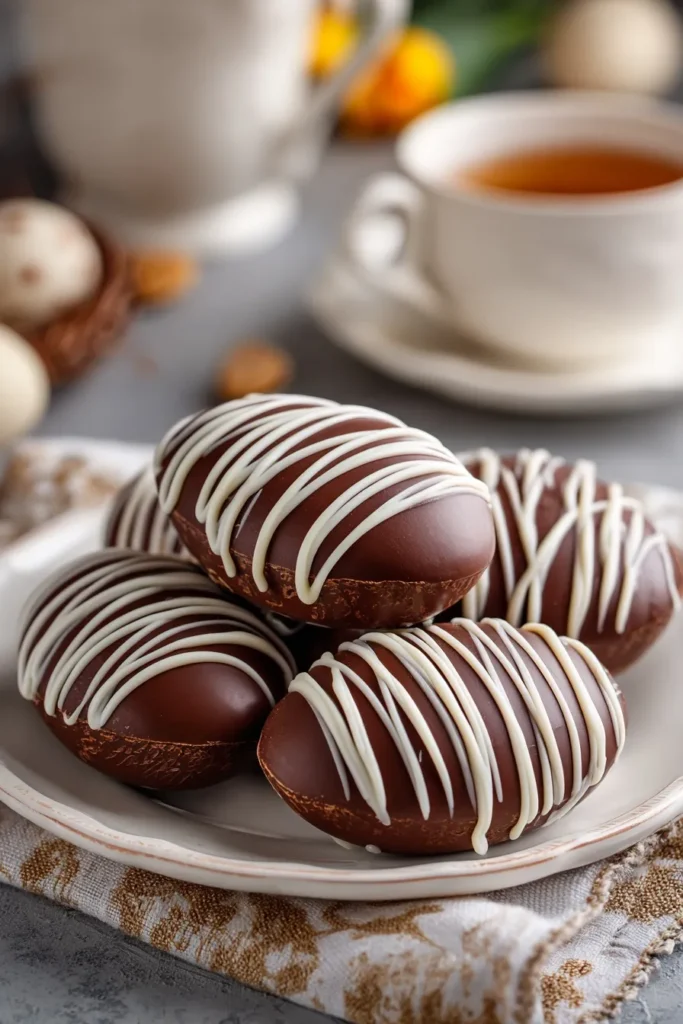
Peanut butter eggs combine smooth peanut butter filling with rich chocolate coating for Easter candy that costs less than $10 to make. No baking required—just mix, chill, dip, and enjoy in under two hours.
Since you’re here, make sure to check out these related recipes:
- Cookie Dough Truffles
- Chocolate Peanut Butter Balls
- White Chocolate Strawberry Truffles
- No Bake Moose Farts
- Red Velvet Truffles
Why This Peanut Butter Eggs Recipe Works
Craving Easter candy without paying premium prices for tiny store-bought treats? These peanut butter eggs deliver smooth, creamy filling coated in chocolate using just seven simple ingredients and basic kitchen equipment you already own.
No-bake preparation means you’ll never turn on your oven—just mix ingredients, shape eggs, and chill until firm enough for chocolate coating.
Shortening addition creates smooth, glossy chocolate coating that stays soft when you bite instead of cracking into hard shell like melted chocolate alone would.
Freezer method firms up peanut butter filling perfectly so eggs hold shape during chocolate dipping without falling apart or getting mushy.
Seven ingredients keep recipe simple and budget-friendly, costing under $10 total compared to expensive store-bought versions.
Ingredients You’ll Need
For the filling: Creamy peanut butter (not natural), powdered sugar, unsalted butter (halal-certified) melted, whole milk, alcohol-free vanilla extract, salt.
For the coating: Milk chocolate chips, vegetable shortening.
Ingredient Spotlight
Creamy peanut butter must be traditional style like Jif or Skippy—natural peanut butter contains too much oil that prevents filling from setting properly. The stabilizers in regular peanut butter help mixture hold together perfectly.
Powdered sugar creates velvety smooth texture in filling that melts in your mouth. Granulated sugar won’t dissolve completely and would leave gritty texture that ruins creamy consistency you want.
Vegetable shortening added to chocolate makes coating smoother, more manageable, and prevents chocolate from becoming grainy or cracking as it hardens. Just small amount makes enormous difference in final texture and appearance.
Step-by-Step Instructions
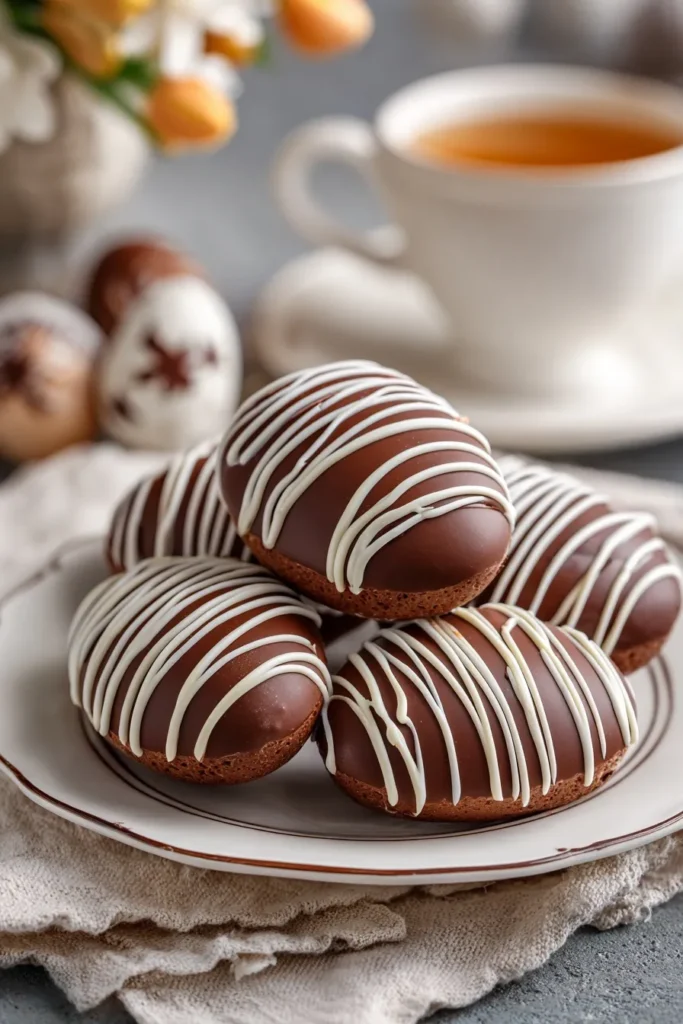
1. Prepare baking sheet by covering cookie sheet with wax paper and setting aside for shaped peanut butter eggs.
2. Mix peanut butter mixture by beating powdered sugar and peanut butter in large bowl with high-speed mixer until combined. Add melted butter and beat until smooth and creamy.
3. Add remaining ingredients by mixing in milk, vanilla extract, and salt. Beat until soft, smooth dough forms that’s slightly crumbly but holds together when pressed.
4. Roll the dough into half-inch thick disc on lightly floured surface using rolling pin. Dust surface with small amount of flour to prevent sticking without adding too much.
5. Cut egg shapes using egg-shaped cookie cutter or measuring cup to create Easter egg shapes. Place cut shapes on prepared cookie sheet with space between each one.
6. Freeze for firmness by placing cookie sheet in freezer for 1 hour until peanut butter eggs are completely firm and hold shape perfectly. Don’t skip this step or chocolate won’t coat properly.
7. Melt chocolate coating by combining chocolate chips and shortening in microwave-safe bowl. Heat in 30-second increments, stirring thoroughly after each interval until completely smooth and glossy.
8. Dip the eggs using spoon to lower each frozen peanut butter egg into melted chocolate, turning to coat completely. Let excess chocolate drip back into bowl.
9. Return to sheet by placing chocolate-coated eggs back onto waxed paper. Work quickly before chocolate starts hardening in bowl—reheat if needed.
10. Add decorations by drizzling extra chocolate, sprinkling sea salt, or adding sprinkles before chocolate sets completely. Get creative with toppings and colors.
11. Chill until set by refrigerating eggs for 20 minutes or until chocolate coating hardens completely. Store in refrigerator until ready to serve or package as gifts.
Essential Equipment
Egg-Shaped Cookie Cutter
Specialized cutters create consistent egg shapes that look professional and polished. You can substitute measuring cup or shape by hand if needed, but cutter makes process much faster and cleaner.
High-Speed Electric Mixer
Creaming peanut butter with powdered sugar requires power that hand mixing can’t achieve. Electric mixer ensures smooth, lump-free filling in fraction of time manual mixing would take.
Microwave-Safe Bowl (PREMIUM)
Melting chocolate safely without scorching requires proper heat-safe bowl. Glass or ceramic bowls distribute microwave heat evenly while plastic containers can melt or leach chemicals into chocolate.
Wax Paper
Parchment paper substitute won’t stick as well as wax paper when chocolate hardens. Wax paper’s slick surface allows easy removal without damaging chocolate coating or tearing paper when lifting eggs.
What to Serve With Peanut Butter Eggs
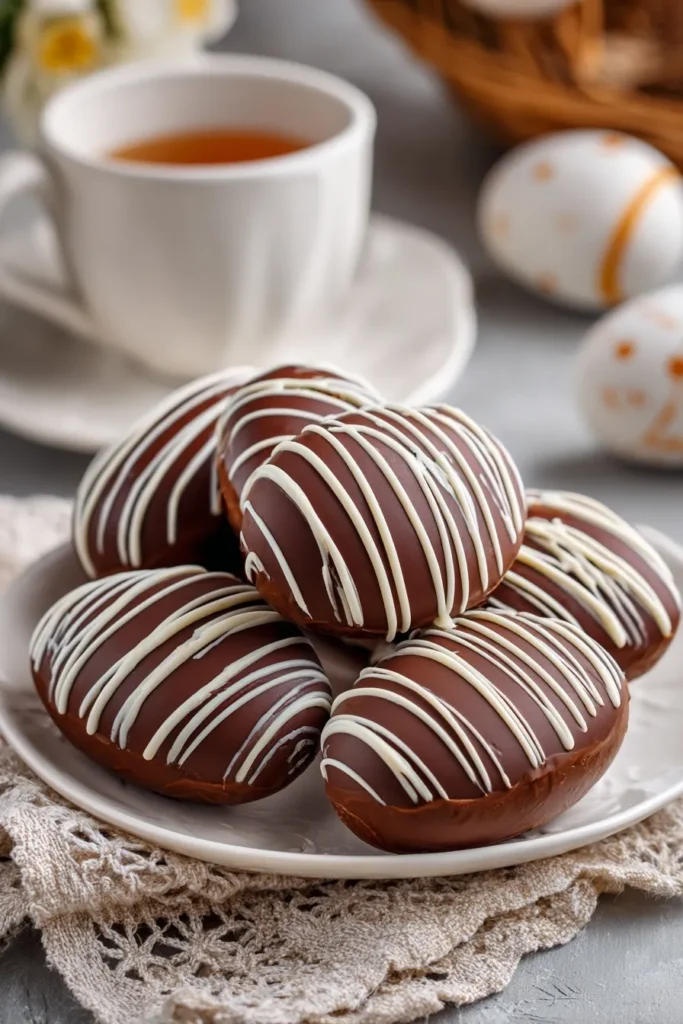
Want to create complete Easter dessert spread that impresses family without spending entire day cooking? These peanut butter eggs pair beautifully with cold milk for classic combination kids and adults both love.
Add them to Easter baskets alongside Strawberry Crinkle Cookies and Sugar Cookie Cups for colorful variety that appeals to different taste preferences. The mix of textures and flavors keeps everyone happy during egg hunts and celebrations.
Package individual eggs in pastel cellophane bags for egg hunt prizes or party favors guests will actually eat instead of throwing away. Serve alongside Vanilla Punch or hot cocoa for Easter brunch or afternoon gathering that feels special without requiring complicated recipes.
Storage and Reheating Guide
Refrigerator Storage
Store peanut butter eggs in airtight container in refrigerator for up to 4 days. Layer parchment paper between stacked eggs to prevent chocolate from sticking together in container.
Freezer Storage
Freeze eggs for up to 6 months by wrapping individually in plastic wrap, then placing in freezer-safe bags or containers. Thaw overnight in refrigerator before serving for best texture.
Room Temperature Storage
Eggs can sit at room temperature for serving but shouldn’t be stored this way long-term. Bring refrigerated eggs to room temperature 15 minutes before serving if you prefer softer chocolate coating.
Peanut Butter Eggs Recipe Variations
Ready to customize these easy peanut butter eggs for different holidays and flavor preferences throughout entire year? Use Christmas ornament cookie cutters for holiday gifts or jack-o-lantern shapes for Halloween treats using same basic recipe.
Try white chocolate coating instead of milk chocolate for sweeter, creamier alternative that looks elegant drizzled over dark chocolate base. Dark chocolate creates more sophisticated flavor profile for adults who prefer less sweet candy options.
Add Rice Krispies cereal to peanut butter mixture for crunchy texture variation that adds interesting contrast. Sprinkle toasted coconut flakes on top of wet chocolate for tropical twist, or add marshmallow cream layer between filling and chocolate for extra indulgent marshmallow peanut butter eggs. Check out Birthday Cake Puppy Chow for another fun no-bake candy recipe.
Pro Tips and Tricks
Want bakery-quality peanut butter eggs that rival expensive store-bought versions every single time you make them?
Use fresh peanut butter by opening new jar specifically for this recipe—old peanut butter can taste rancid or develop metallic flavor that ruins entire batch of candy.
Don’t use natural peanut butter because excessive oil content prevents filling from setting properly and you’ll end up with soft, sticky mess instead of firm egg shapes.
Freeze eggs completely before dipping in chocolate so they hold shape perfectly during coating process—partially frozen eggs fall apart and create messy chocolate disaster.
Add shortening to chocolate using exact measurements specified because too much makes coating too thin while too little creates thick, clumpy coating that doesn’t spread smoothly.
Wipe knife between cuts when slicing leftover dough to create clean edges on each egg shape instead of dragging bits of dough from previous cuts.
Frequently Asked Questions
Why are my peanut butter eggs too soft?
Natural peanut butter contains too much oil and won’t set properly. Using warm butter instead of melted-then-cooled butter also creates soft filling. Chill eggs longer in freezer if mixture seems too soft before shaping.
Can you make peanut butter eggs ahead of time?
Absolutely—make eggs up to 6 months ahead and freeze until needed. They actually freeze beautifully and taste fresh after thawing overnight in refrigerator before bringing to room temperature.
Why does chocolate coating crack?
Temperature shock between very cold eggs and melted chocolate causes cracking. Let frozen eggs sit at room temperature for 5 minutes before dipping, and work quickly to prevent chocolate from cooling too fast.
What can replace shortening in chocolate?
Coconut oil works as direct substitute using same measurements. Vegetable oil also works but you’ll need slightly less—start with half amount and add more if needed for smooth consistency.
How do you prevent peanut butter eggs from being crumbly?
Make sure butter is fully melted and cooled before adding to mixture. Warm butter makes filling too runny while cold butter creates crumbly texture. Chill dough briefly if it’s too soft to roll.
Can you use different shapes?
Yes—use any cookie cutter shapes for Christmas ornaments, Halloween pumpkins, hearts for Valentine’s Day, or simple circles year-round. Flavor stays delicious regardless of shape you choose.
Why You’ll Love This Recipe
Ready to make Easter candy that tastes better than expensive store-bought versions at fraction of the price? These peanut butter eggs require no special equipment or advanced candy-making skills—just basic ingredients and simple techniques anyone can master.
The smooth, creamy filling coated in glossy chocolate creates professional-looking treats perfect for Easter baskets, egg hunts, or spring parties. Making them yourself means controlling sweetness level and chocolate quality while spending less money than buying pre-made versions.
Try these peanut butter eggs recipe this Easter and start new family tradition that kids will request year after year.
📌 Save this peanut butter eggs recipe for Easter—they’re guaranteed to become most popular candy in your holiday baskets!