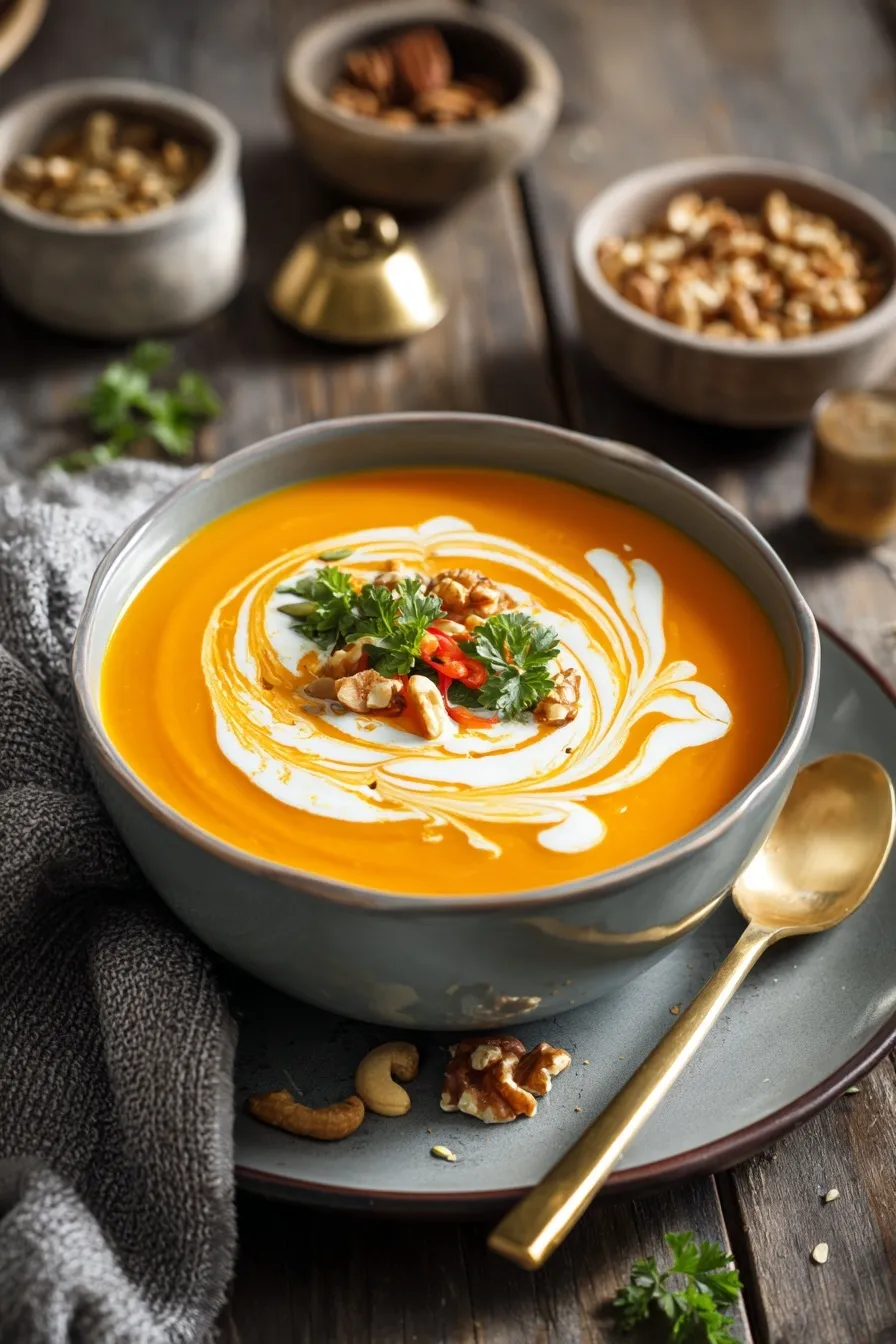
Master the celebrity chef’s technique for restaurant-quality soup at home—no yelling required.
Since you are here, make sure to check out these amazing chef-inspired recipes:
- Crispy Hot Honey Feta Chicken Recipe
- Easy Greek Chicken Recipe Mediterranean Flavors
- Mediterranean Chicken Gyros Magic
- Perfect Caprese Grilled Cheese Restaurant Quality
- Easy Indian Chicken Curry Restaurant Quality
When Gordon Ramsay makes butternut squash soup, it’s not just soup—it’s a masterclass in flavor development. This recipe takes humble ingredients and transforms them into something that could easily cost $18 at a fancy restaurant. The secret? His roasting technique that caramelizes every edge and develops layers of flavor you never knew were possible.
I stumbled across this technique during a cooking class, and honestly, it changed everything I thought I knew about making soup. The instructor demonstrated Gordon’s method, and the difference between this and regular soup was like night and day. This is the soup that makes you look like a culinary genius while being surprisingly simple to execute.
No need to channel Gordon’s famous intensity in the kitchen—just follow his brilliant technique and you’ll have silky, restaurant-quality soup that’ll have everyone asking for your secret.
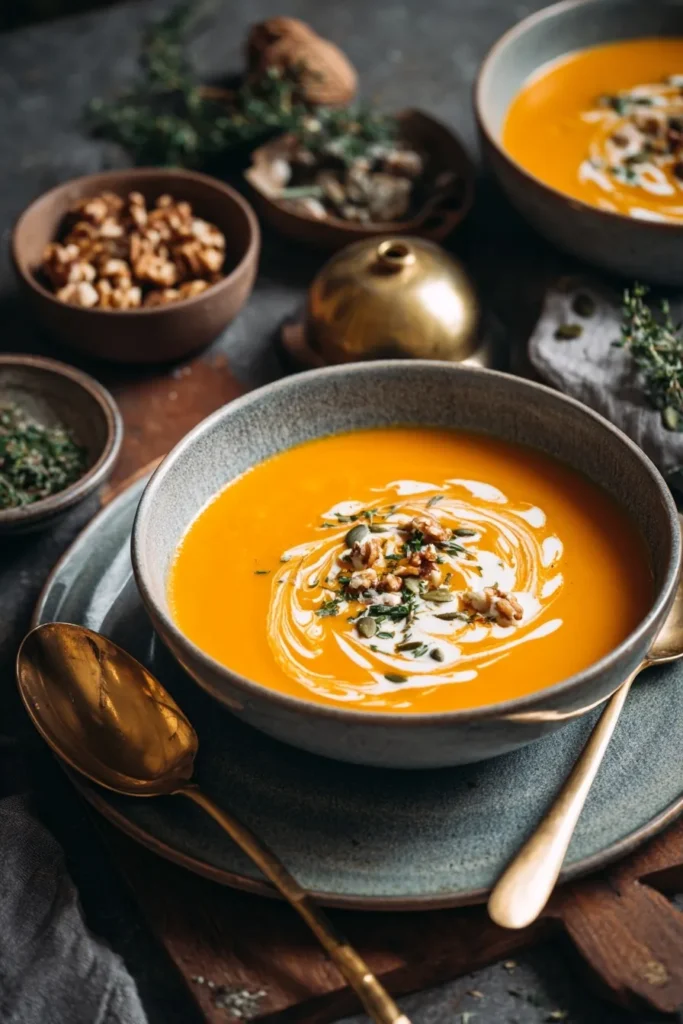
Ingredients
This recipe proves that sometimes the best dishes come from the simplest ingredients executed perfectly:
The Star Players:
- 2 lbs butternut squash, peeled and cubed
- 1 large onion, chopped
- 3 garlic cloves, minced
- 4 cups vegetable stock (never use water—Gordon would not approve)
- 1 cup heavy cream
The Flavor Enhancers:
- 2 tablespoons olive oil
- 1 teaspoon ground ginger
- Fresh thyme sprigs
- Salt and freshly ground black pepper
- Butter for finishing (because Gordon knows what’s up)
Essential Equipment:
- Large roasting pan
- Sharp knife and cutting board
- Large soup pot
- Immersion blender (or regular blender)
- Fine mesh strainer (for that silky finish)
- Ladle for serving
Pro tip: Don’t even think about skipping the roasting step. That’s where the magic happens and what separates this from ordinary soup.
Instructions
Step 1: The Gordon Ramsay Roasting Method Preheat your oven to 400°F. Cut the butternut squash into even cubes—consistency matters here. Toss with olive oil and salt, making sure every piece is coated. Roast for 25 minutes until the edges are golden and caramelized. This is where the flavor depth comes from.
Step 2: Build Your Aromatic Base While the squash roasts, heat oil in a large pot over medium heat. Add the chopped onion and cook until softened and translucent—about 5-6 minutes. Add the minced garlic and cook for just one minute until fragrant.
Step 3: Bring It All Together Add your beautiful roasted squash to the pot along with the vegetable stock. Bring to a gentle boil, then reduce to a simmer. Let it cook for 15 minutes until everything is tender and the flavors have melded together.
Step 4: The Silky Smooth Finish Remove from heat and blend until completely smooth using an immersion blender. For the ultimate Gordon Ramsay touch, strain the soup through a fine mesh strainer for that restaurant-quality silky consistency.
Step 5: The Luxurious Final Touch Stir in the heavy cream slowly to prevent curdling. Season with salt, pepper, and ground ginger. Finish with a knob of butter and fresh thyme sprigs. Taste and adjust seasoning—Gordon always says to taste as you go.
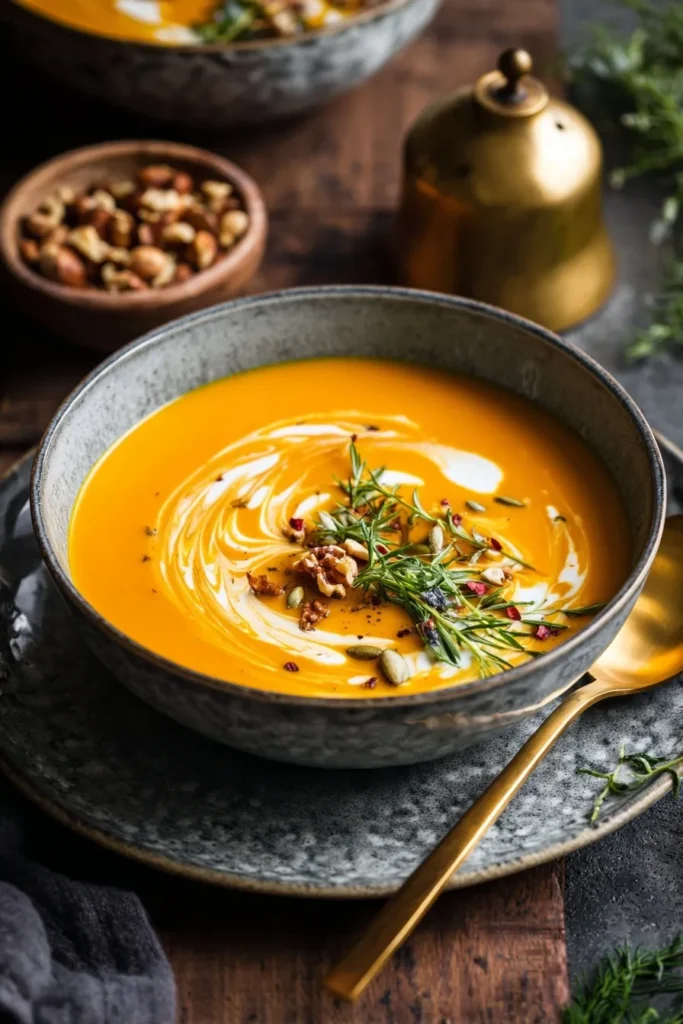
What Makes This Recipe Special
Restaurant-Quality Technique The roasting step is what separates this from ordinary soup recipes. Those caramelized edges create complex, deep flavors that you simply can’t get from just boiling vegetables.
Perfect Texture Every Time The combination of proper blending and straining creates that velvety, luxurious texture that makes this soup feel incredibly indulgent.
Balanced Flavor Profile Gordon’s approach balances the natural sweetness of the squash with savory elements and just enough richness from the cream without it being heavy.
Impressive but Achievable This looks and tastes like something from a high-end restaurant, but the technique is totally doable for home cooks.
Storage and Reheating
Store leftover soup in airtight containers in the refrigerator for up to 4 days. The flavors actually develop and improve after a day, so don’t be surprised if tomorrow’s lunch tastes even better.
For reheating, warm gently on the stovetop over medium-low heat, stirring occasionally. You might need to add a splash of stock if it’s thickened up. The soup can also be frozen for up to 3 months—just reheat slowly and you might need to re-blend it for the silky texture.
When reheating, add any fresh herbs at the end to maintain their bright flavor and color.
Recipe Variations
Spiced Version: Add a pinch of nutmeg, cinnamon, or curry powder during the roasting for warming spices that complement the squash beautifully.
Coconut Twist: Replace the heavy cream with coconut milk for a dairy-free version with tropical notes.
Apple Enhancement: Add a diced apple when roasting the squash for extra sweetness and complexity.
Herb Variations: Try fresh sage instead of thyme, or add a bay leaf during simmering for different aromatic notes.
Protein Addition: Stir in some cooked bacon or pancetta at the end for a heartier version.
Perfect Pairings
This soup deserves to be served with style. Crusty sourdough bread is classic, but try it with grilled cheese sandwiches for the ultimate comfort food experience. The creamy soup and crispy, cheesy sandwich combination is pure perfection.
For something lighter, serve with a simple arugula salad dressed with lemon vinaigrette. The peppery greens cut through the richness beautifully and add a fresh element to the meal.
IMO, this soup is elegant enough for dinner parties but comforting enough for a cozy night in. It’s that rare recipe that works for any occasion.
Professional Tips
The Roasting Game-Changer: Don’t overcrowd the roasting pan. The squash needs space to caramelize properly, not steam.
Stock Quality Matters: Use good vegetable stock, not water. This is the foundation of your soup’s flavor.
Temperature Control: Keep the soup at a gentle simmer, not a rolling boil, to prevent the cream from breaking.
Straining Secret: For the silkiest texture, strain the soup through a fine mesh strainer after blending. It’s an extra step that makes all the difference.
Seasoning Strategy: Season in layers—salt the squash before roasting, season during cooking, and adjust at the end.
FAQs
Can I make this soup dairy-free? Absolutely! Replace the heavy cream with coconut milk or cashew cream. The texture will be slightly different but still delicious.
What if I don’t have an immersion blender? Use a regular blender, but let the soup cool slightly first and blend in batches. Never fill the blender more than halfway with hot liquid for safety.
Can I prep this ahead of time? Yes! You can roast the squash up to 2 days ahead and store it in the fridge. You can also make the entire soup ahead—just add the fresh herbs when reheating.
Why is the roasting step so important? Roasting caramelizes the natural sugars in the squash, creating complex flavors and depth that you can’t achieve by just boiling the vegetables.
How do I know when the squash is properly roasted? The edges should be golden brown and caramelized, and the pieces should be easily pierced with a fork. Some darker edges are perfect—that’s where the flavor is!
Nutritional Benefits
This soup is more than just comfort food—it’s actually incredibly nutritious. Butternut squash is packed with vitamin A, potassium, and fiber. The roasting method preserves these nutrients while intensifying the flavor.
Each serving provides antioxidants from the squash, and the ginger adds anti-inflammatory properties. Even with the cream, this soup delivers serious nutritional value alongside its indulgent taste.
Why You’ll Love This Recipe
This Gordon Ramsay butternut squash soup recipe proves that simple ingredients, when treated with respect and proper technique, can create something truly extraordinary. The roasting method transforms the squash into something completely different from what you’d get with other cooking methods.
The result is a soup that tastes like it came from an expensive restaurant but costs a fraction to make at home. It’s elegant enough for entertaining but easy enough for a weeknight dinner when you want something special.
Most importantly, this recipe teaches you a technique you’ll use forever. Once you understand how roasting vegetables develops flavor, you’ll apply it to everything from soups to side dishes.
The Final Verdict
This isn’t just butternut squash soup—it’s a masterclass in how proper technique elevates simple ingredients into something spectacular. Gordon Ramsay’s roasting method creates layers of flavor that make this soup unforgettable.
Whether you’re looking to impress dinner guests, treat yourself to something luxurious, or simply want to cook like a professional chef, this recipe delivers on every level. The technique is simple enough for beginners but sophisticated enough to satisfy experienced cooks.
Trust me, once you make soup this way, you’ll never go back to the basic boil-and-blend method. This is the soup that makes you look like a culinary genius—and honestly, isn’t that what we all want?