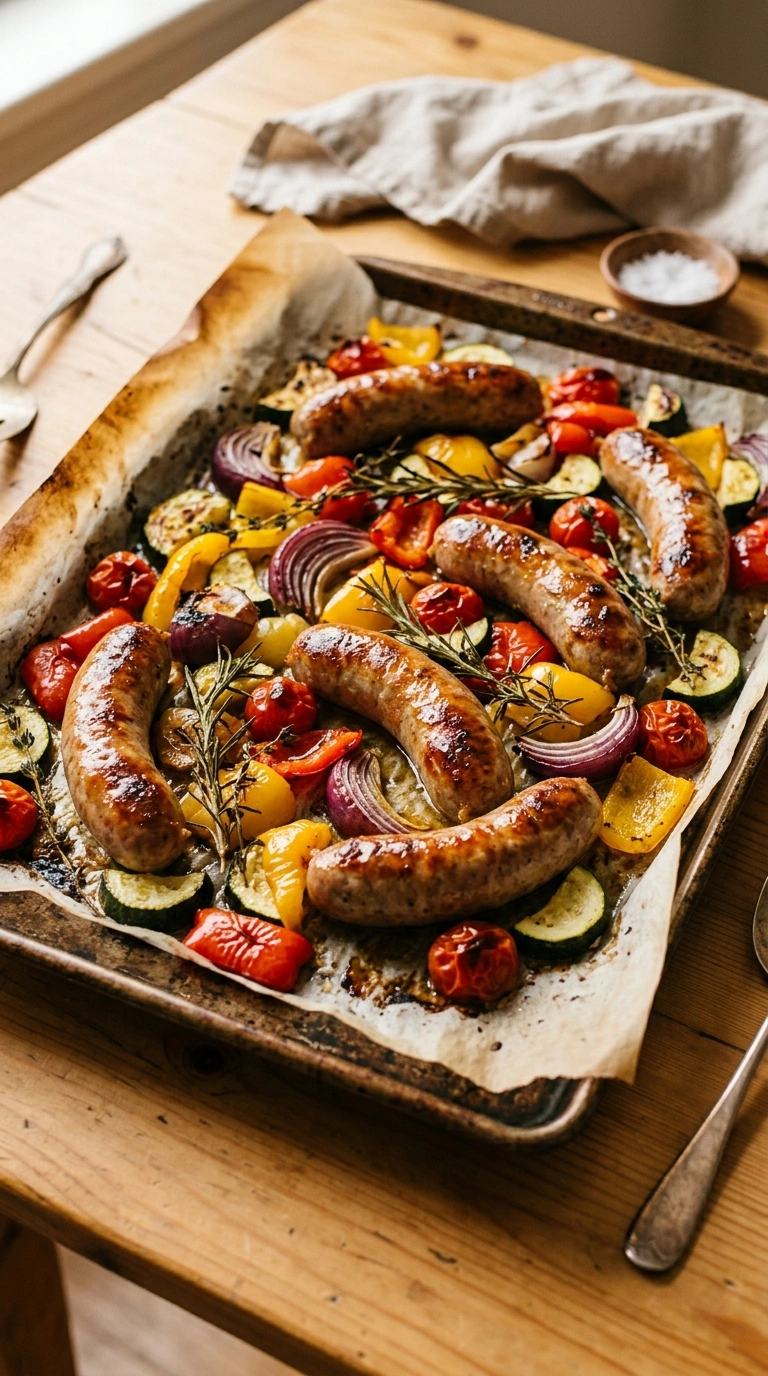
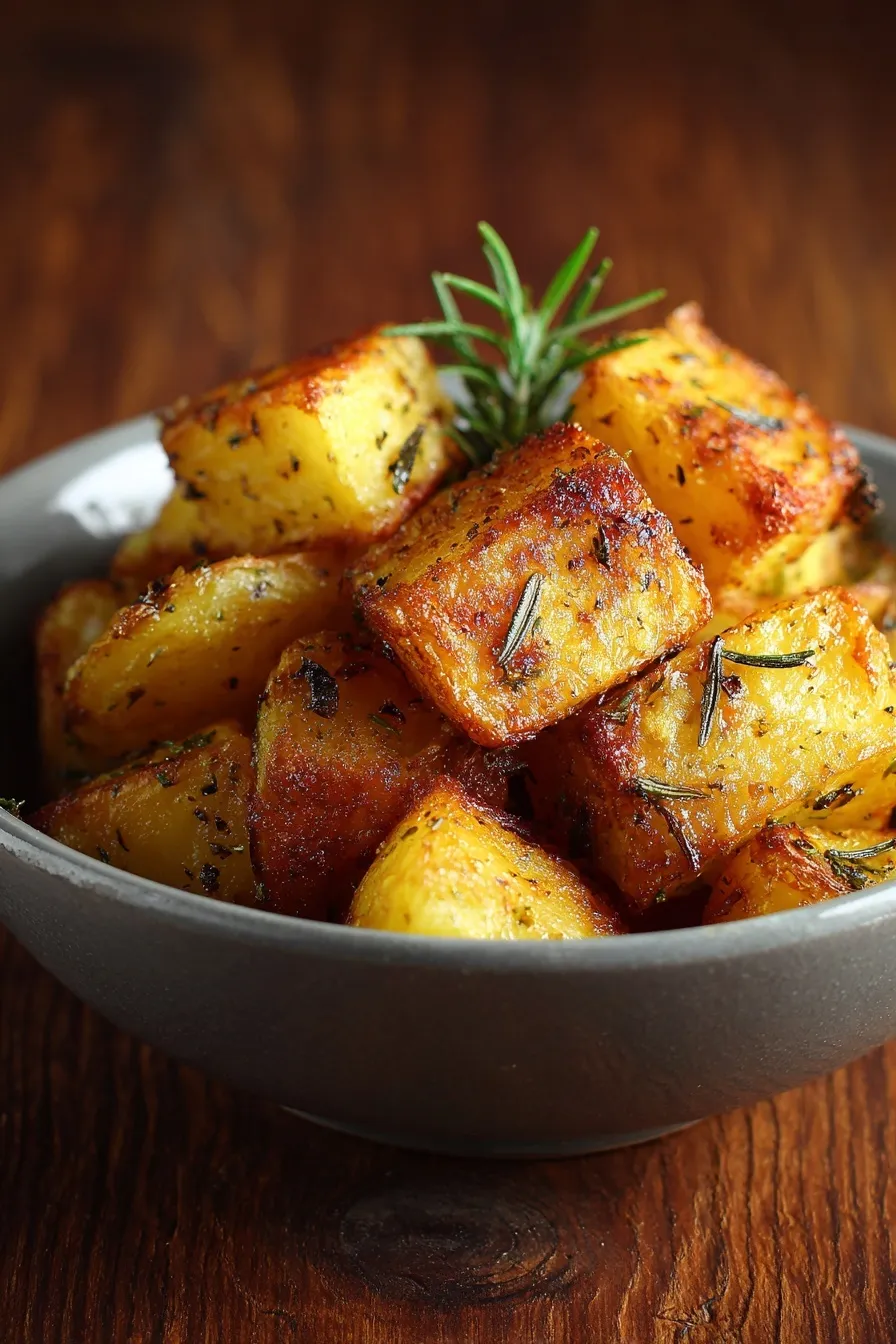
These perfectly caramelized acorn squash cubes are tossed with fresh herbs and roasted until golden—the easiest fall side dish that tastes like you spent hours in the kitchen. 🍂
Since you are here, make sure to check out these related recipes:
- Garlic Butter Roasted Sweet Potatoes Herbs
- Garlic Parmesan Roasted Sweet Potatoes
- Crispy Smashed Carrots Recipe
- Simple Baked Zucchini Parmesan
- Butternut Squash Apple Bake
Why This Herb-Roasted Acorn Squash Recipe Works
Ever wonder why restaurant vegetables taste so much better than homemade? It’s all about high heat, good fat, and fresh herbs working together.
Most people steam or microwave squash and wonder why it tastes bland. This herb-roasted acorn squash recipe takes a different approach—cubing the squash and roasting at high temperature creates caramelized edges and tender centers. The result is sweet, nutty, and absolutely addictive.
What makes this the best acorn squash recipe:
- Cubed instead of sliced means more crispy, caramelized surface area on every piece
- Fresh herbs (rosemary, thyme, and sage) add aromatic, earthy flavors that complement the squash’s natural sweetness
- High-heat roasting caramelizes the natural sugars for deep, complex flavor
- Simple ingredients let the squash shine without masking its delicate taste
The key is cutting uniform cubes so everything cooks evenly. Smaller pieces mean more golden-brown edges, and that’s where all the flavor lives!
Ingredients
Want to know what makes these squash cubes irresistible? Fresh herbs make all the difference.
For the Roasted Acorn Squash:
- 2 medium acorn squash (about 2-2.5 pounds total)
- 3 tablespoons olive oil (extra virgin for best flavor)
- 1 tablespoon fresh rosemary, finely chopped
- 1 tablespoon fresh thyme leaves, stripped from stems
- 1 tablespoon fresh sage, thinly sliced
- 3 cloves garlic, minced
- 1 teaspoon kosher salt
- ½ teaspoon freshly ground black pepper
- ¼ teaspoon red pepper flakes (optional, for a subtle kick)
- 1 tablespoon pure maple syrup (optional, enhances caramelization)
For Garnish:
- Fresh thyme sprigs
- Flaky sea salt
- Grated Parmesan cheese (optional)
The combination of rosemary, thyme, and sage is classic fall perfection. These woody herbs can handle high heat without burning, and their earthy notes balance the squash’s sweetness beautifully. If you can’t find fresh herbs, use 1 teaspoon dried for each tablespoon of fresh—but honestly, fresh makes a noticeable difference here.
Step-By-Step Instructions
1. Prepare your oven and pan. Preheat your oven to 425°F and line a large baking sheet with parchment paper or a silicone mat. High heat is crucial for caramelization, so don’t skip the preheating step.
2. Cut the squash safely. Place each acorn squash on a cutting board and slice off the stem and bottom ends to create flat, stable surfaces. Stand the squash upright and carefully cut it in half from top to bottom. Use a sturdy spoon to scoop out all the seeds and stringy bits—save those seeds for roasting separately if you want!
3. Cube the squash. Place each half cut-side down and slice into ¾-inch thick half-moons. Stack a few slices and cut them into ¾-inch cubes. Aim for uniform size so everything cooks at the same rate. You should end up with about 6 cups of cubed squash.
4. Make the herb mixture. In a large mixing bowl, combine the olive oil, chopped rosemary, thyme leaves, sliced sage, minced garlic, salt, pepper, and red pepper flakes if using. Whisk everything together until well blended. The garlic should be evenly distributed throughout the oil.
5. Coat the squash. Add your cubed acorn squash to the bowl with the herb mixture. Toss thoroughly with your hands or a large spoon, making sure every single cube gets coated with the herbed oil. Take your time with this step—even coating means even flavor.
6. Arrange on the baking sheet. Spread the squash cubes in a single layer on your prepared baking sheet, leaving space between pieces. Crowding causes steaming instead of roasting, which means no caramelization. Use two pans if needed—it’s worth it for crispy edges.
7. Drizzle with maple syrup. If you’re using maple syrup, drizzle it evenly over the squash cubes just before roasting. This optional step boosts caramelization and adds a subtle sweetness that doesn’t overpower the herbs.
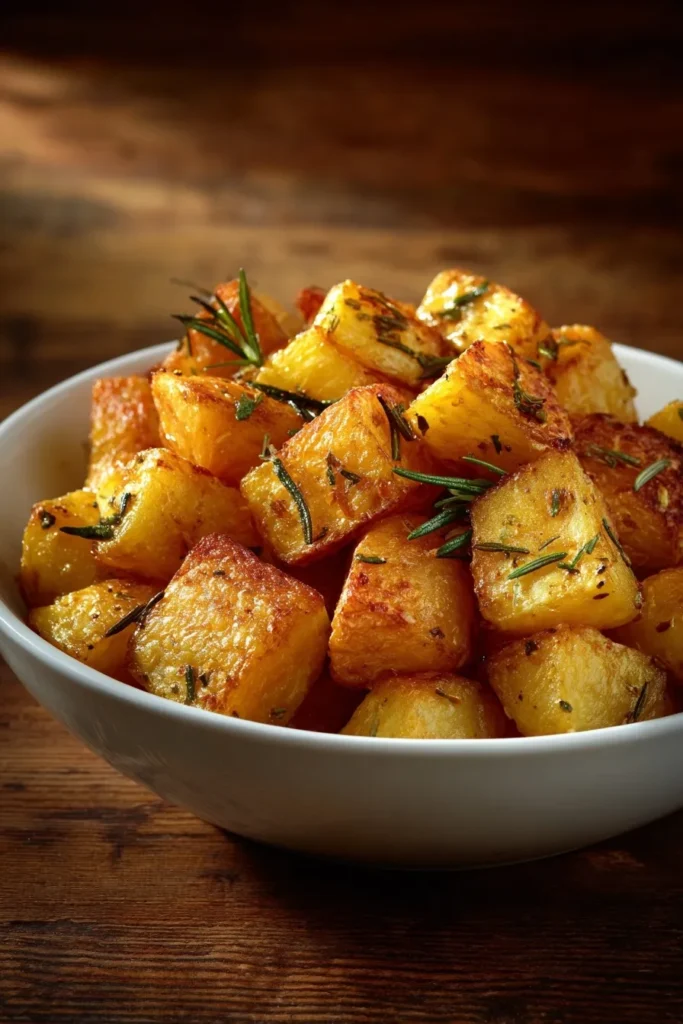
8. Roast until golden. Slide the baking sheet into your preheated oven and roast for 25-30 minutes, flipping the cubes halfway through with a spatula. The squash is done when the edges are deep golden brown and a fork pierces the flesh easily. Some pieces should have crispy, almost charred spots—that’s flavor gold right there.
9. Check for doneness. Pierce a few cubes with a fork to ensure they’re tender all the way through. If they’re still firm in the center, give them another 5 minutes. Cooking time varies based on cube size and your oven’s accuracy.
10. Garnish and serve. Transfer the roasted squash to a serving platter and garnish with fresh thyme sprigs, a sprinkle of flaky sea salt, and grated Parmesan if desired. Serve immediately while they’re hot and crispy. These squash cubes are best enjoyed fresh from the oven! 🎃
Essential Equipment for Roasted Acorn Squash
Here’s what you need to roast acorn squash perfectly every time.
Large Rimmed Baking Sheet (18×13-Inch)
A full-sized sheet pan gives squash cubes room to breathe and caramelize. Rimmed edges prevent oil from dripping into your oven.
Sharp Chef’s Knife (8-10 Inch)
Acorn squash has tough skin that requires a sharp, sturdy blade. A dull knife is dangerous and makes cutting uniform cubes nearly impossible.
Large Mixing Bowl (4-Quart)
You need space to toss squash cubes thoroughly with herbs and oil. Too small and half your coating ends up on the counter.
Sturdy Metal Spoon or Ice Cream Scoop
These tools make quick work of removing seeds and stringy bits. The rigid edge scrapes the cavity completely clean.
Parchment Paper or Silicone Baking Mat
Either option prevents sticking and makes cleanup effortless. They also promote even browning by insulating the squash slightly from direct pan heat.
Kitchen Towel or Cutting Board Gripper
Acorn squash is round and wants to roll while cutting. A damp towel under your board prevents dangerous slipping.
Professional Chef’s Knife (PREMIUM)
Restaurant-quality German or Japanese steel holds a razor edge through tough squash skin. The balanced weight does half the work for you with minimal pressure required.
Heavy-Gauge Commercial Baking Sheet (PREMIUM)
Professional half-sheet pans conduct heat evenly and won’t warp at high temperatures. One quality pan lasts decades and produces superior browning compared to thin consumer sheets.
What to Serve With Herb-Roasted Acorn Squash
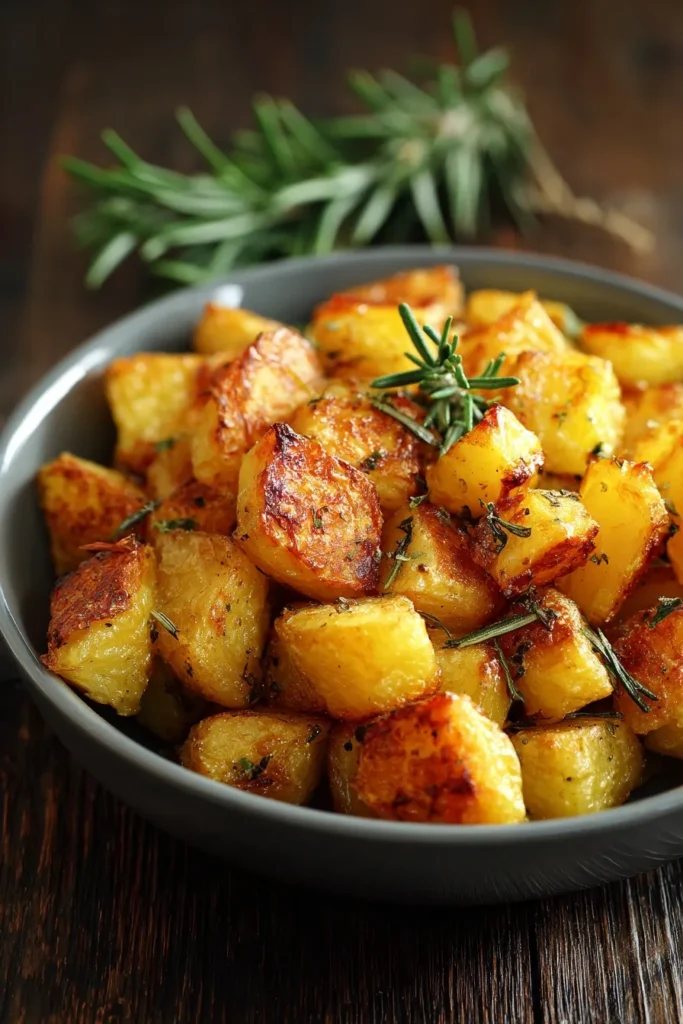
Looking for the perfect main dishes to pair with these caramelized squash cubes?
Roasted chicken or turkey is a natural match. The herb flavors complement poultry beautifully, making this ideal for Thanksgiving or Sunday dinner. The squash adds color and fall vibes to any plate.
Pork chops or pork tenderloin work perfectly. Try my Garlic Parmesan Crockpot Chicken technique with pork instead. The savory meat balances the squash’s subtle sweetness.
Grilled steak gets a vegetable upgrade. Herb-roasted squash cubes add sophistication to a simple steak dinner. The earthy herbs tie everything together elegantly.
Salmon or white fish create a lighter option. The squash’s sweetness pairs surprisingly well with flaky fish. Add a squeeze of lemon over both for brightness.
Grain bowls need this as a base. Serve over quinoa, farro, or brown rice with chickpeas and tahini dressing. My Mediterranean Quinoa Bowl would be perfect with these squash cubes added.
Holiday spreads absolutely require this. Thanksgiving, Christmas, or any fall gathering benefits from this show-stopping yet simple side dish. It looks impressive but requires minimal effort.
Vegetarian main dishes shine with this addition. Pair with stuffed bell peppers, lentil loaf, or mushroom risotto. The hearty squash makes meatless meals more satisfying.
Storage and Reheating Guide
Refrigerator Storage
Store cooled squash cubes in an airtight container for up to 4 days in the refrigerator. Place a paper towel in the container to absorb excess moisture and keep them from getting soggy. The texture won’t be quite as crispy, but the flavor remains excellent.
Freezer Storage
Freeze roasted squash in a single layer on a baking sheet until solid, then transfer to freezer bags for up to 3 months. Remove as much air as possible before sealing. Label with the date so you remember when you made them.
Don’t freeze uncooked seasoned squash—the texture becomes mushy when thawed. Always roast first if you’re planning to freeze.
Reheating Instructions
Oven method (best for texture): Spread squash on a baking sheet and reheat at 400°F for 8-10 minutes until heated through and edges crisp up again. This revives the caramelized exterior beautifully.
Skillet method: Heat a tablespoon of olive oil or butter in a large skillet over medium-high heat. Add cold squash cubes and sauté for 5-7 minutes, stirring occasionally, until warmed and slightly crispy.
Microwave method (fastest): Place squash in a microwave-safe dish and heat for 1-2 minutes at full power. They won’t be crispy, but this works when you’re short on time.
Pro Storage Tips
- Let squash cool completely before storing to prevent condensation
- Reheat only what you’ll eat—repeated reheating degrades texture
- Add a sprinkle of fresh herbs after reheating for renewed aroma
- Toss with a little fresh oil before reheating to restore moisture
Recipe Variations
Want to switch things up with different flavors and styles?
Maple Cinnamon Version
Replace the savory herbs with 2 teaspoons cinnamon and increase maple syrup to 2 tablespoons. Add ¼ teaspoon nutmeg for extra warmth. This sweet version works perfectly as a side for brunch or alongside ham.
Spicy Harissa Squash
Toss cubes with 2 tablespoons harissa paste instead of herbs before roasting. The North African chili paste adds smoky heat and complex spice. Finish with a drizzle of tahini and pomegranate seeds for a stunning presentation.
Parmesan Garlic Style
After roasting, toss hot squash cubes with ½ cup freshly grated Parmesan and extra minced garlic. Use the technique from my Garlic Parmesan Roasted Sweet Potatoes for inspiration. The cheese melts onto the hot squash and creates an irresistible coating.
Balsamic Glazed Squash
Drizzle 2 tablespoons balsamic vinegar over the squash during the last 5 minutes of roasting. The vinegar reduces and creates a sweet-tart glaze that’s absolutely addictive. Add toasted walnuts for crunch.
Indian-Spiced Version
Replace herbs with 1 teaspoon cumin, 1 teaspoon curry powder, and ½ teaspoon turmeric. Roast as directed and finish with fresh cilantro and a squeeze of lime. This pairs beautifully with my Easy Indian Chicken Curry for a complete meal.
Air Fryer Method
Cut squash into slightly smaller cubes and toss with herbs as directed. Cook at 400°F for 15-18 minutes, shaking the basket every 5 minutes. Perfect for when you don’t want to heat up the whole oven!
Pro Tips & Tricks
Curious about the insider secrets to perfect roasted squash every time?
- Choose squash that feels heavy for its size. This indicates dense, flavorful flesh with less stringiness. Avoid any with soft spots or cracks.
- Leave the skin on for easier prep and extra nutrients. Acorn squash skin becomes tender when roasted and adds beautiful color contrast. It’s totally edible and packed with fiber.
- Cut uniform cubes around ¾-inch. Too large and the centers stay raw while edges burn. Too small and they’ll shrivel up. Consistency is key for even cooking.
- Don’t flip too early. Let the squash sit undisturbed for the first 15 minutes so the bottom gets properly caramelized. Early flipping prevents that gorgeous golden crust from forming.
- Use convection if you have it. The circulating air promotes even browning and crispier edges. Reduce temperature by 25°F and check 5 minutes earlier than regular timing.
- Add hardy herbs at the beginning, delicate ones at the end. Rosemary, thyme, and sage can handle the full roasting time. Basil or parsley should be sprinkled on after cooking.
- Space cubes ½-inch apart minimum. Overcrowding traps steam and results in mushy, pale squash instead of caramelized perfection. Use two pans if necessary.
- Taste a cube before serving and adjust. Squash sweetness varies, so you might need extra salt or a squeeze of lemon to balance the flavors.
Frequently Asked Questions
Q: Can you make herb-roasted acorn squash ahead of time?
Yes! Roast the squash completely, let it cool, and store in the fridge for up to 3 days. Reheat in a hot oven for 8-10 minutes before serving. The flavors actually deepen overnight as the herbs marinate the squash.
Q: How long does roasted acorn squash last in the fridge?
Properly stored in an airtight container, roasted squash stays fresh for up to 4 days. Make sure it’s completely cooled before covering to prevent moisture buildup. Add a paper towel to the container to absorb condensation.
Q: Can you freeze herb-roasted acorn squash?
Absolutely! Freeze roasted squash in portions for up to 3 months. Flash-freeze on a baking sheet first, then transfer to freezer bags. Thaw in the fridge overnight and reheat in the oven for best results.
Q: What to serve with herb-roasted acorn squash?
This side dish pairs perfectly with roasted chicken, pork chops, or grilled steak. Try it with my Garlic Parmesan Crockpot Chicken for an easy complete meal. It also works beautifully in grain bowls or as part of a holiday spread.
Q: How do you make acorn squash cubes less sweet?
Skip the maple syrup and add more savory elements like extra garlic, red pepper flakes, or a squeeze of lemon after roasting. Increase the salt slightly and use more woody herbs. The lemon juice in particular cuts through sweetness effectively.
Q: What’s the best way to reheat roasted acorn squash?
Spread squash on a baking sheet and reheat at 400°F for 8-10 minutes until warmed through and crispy. This method restores the caramelized texture. Avoid microwaving if possible—it makes them soggy.
Q: Can I use dried herbs instead of fresh?
Yes, but use 1 teaspoon dried for each tablespoon of fresh called for. Dried herbs are more concentrated in flavor. Mix them with the oil and let it sit for 5 minutes before tossing with squash to rehydrate them.
Q: How do you cut acorn squash safely?
Create flat surfaces by cutting off both ends first. Stand the squash upright for stability and use a sharp, heavy knife with a rocking motion. A damp towel under your cutting board prevents slipping.
Q: Why is my roasted squash mushy instead of crispy?
You either crowded the pan, didn’t use enough oil, or the oven temperature was too low. Squash needs space to roast, not steam. Make sure pieces don’t touch and the oven is fully preheated to 425°F.
Q: What herbs pair best with acorn squash?
Rosemary, thyme, and sage are the classic trio for fall squash. Their earthy, woody flavors complement the squash’s natural sweetness perfectly. Fresh herbs deliver better flavor than dried for this recipe.
Q: How do I know when acorn squash is done roasting?
The edges should be deep golden brown with some caramelized spots, and a fork should pierce the flesh easily. Taste a cube—it should be tender with a slightly sweet, nutty flavor.
Q: Can you eat the skin of roasted acorn squash?
Yes! Acorn squash skin softens during roasting and is completely edible. It adds fiber, nutrients, and beautiful color contrast. Just wash the squash well before cutting.
Ready to Make These Squash Cubes?
This herb-roasted acorn squash recipe delivers restaurant-quality results with minimal effort and maximum flavor. The caramelized edges and tender centers make this the kind of vegetable side dish that disappears from the table first.
Pin this recipe for fall dinners and holiday gatherings! Once you see how easy it is to make squash taste this incredible, you’ll add it to your regular rotation. Drop a comment if you try it—I’d love to hear which herb combination you love most! 👩🍳