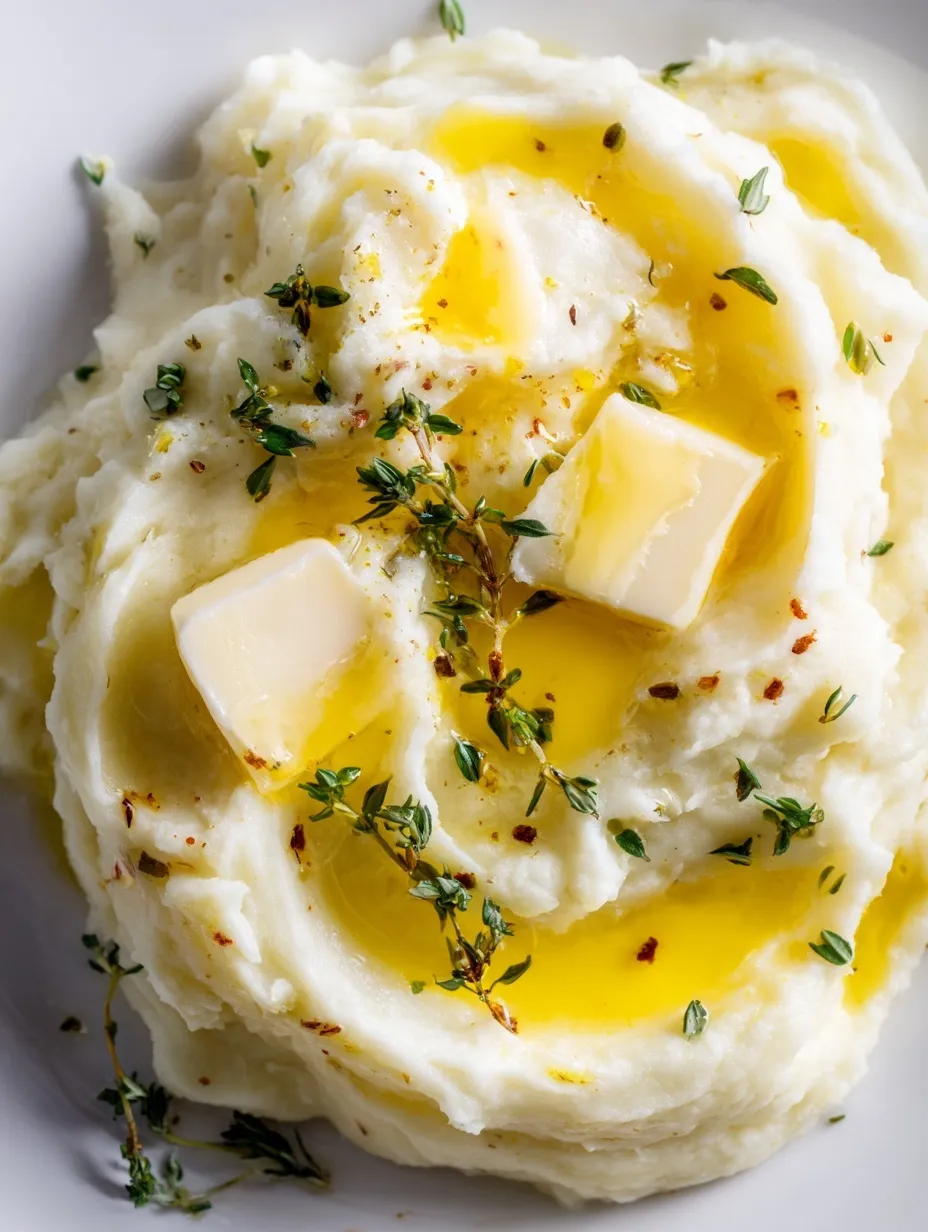
Stop making sad, gluey mashed potatoes – this Gordon Ramsay-inspired method delivers restaurant-quality results every single time.
Since you are here, make sure to check out these other perfect potato sides:
- Creamy Garlic Mashed Potatoes
- Best Caramelized Onion Mashed Potatoes Recipe
- Crispy Mashed Potato Puffs
- Crispy Mashed Potato Balls
- Honey Butter Sweet Potatoes
Why Most People Fail at Mashed Potatoes
I used to think mashed potatoes were foolproof. Boil potatoes, add butter, mash – how hard could it be? Turns out, pretty hard. My first attempts were dense, gluey disasters that could’ve doubled as wallpaper paste.
The problem? I was making the three most common mistakes: using the wrong potatoes, adding cold dairy, and overmixing. Once I learned Gordon Ramsay’s technique, everything changed. These aren’t just mashed potatoes – they’re silky, luxurious clouds of comfort.
What Makes This Method Different
- Hot dairy only – Cold milk kills the texture before you start
- Butter first – Coats the starches to prevent gumminess
- Steam-dry technique – Removes excess moisture for perfect consistency
- Gentle mashing – No aggressive mixing that activates starch
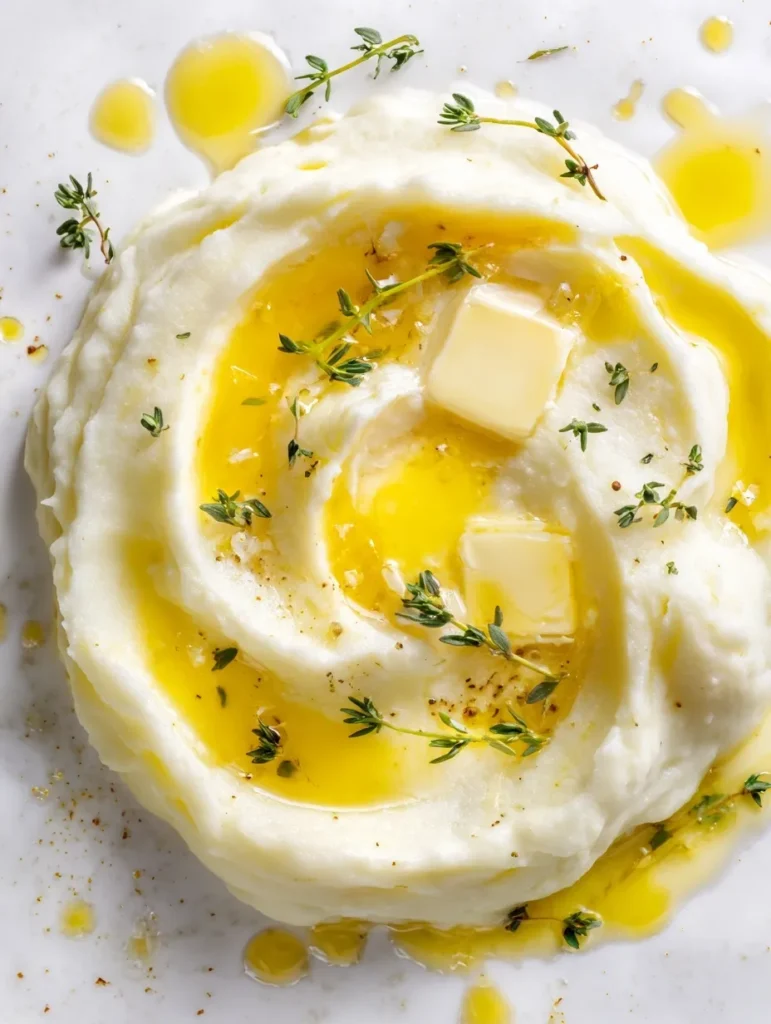
Ingredients
Here’s what you need for mashed potato perfection:
The Base:
- 4 lbs Russet or Yukon Gold potatoes, peeled and quartered
- 3 garlic cloves (optional)
- ⅓ cup salted butter, melted
- 1 cup whole milk or heavy cream, heated
- Salt and black pepper to taste
Potato choice matters: Russets give you fluffy, light mashed potatoes. Yukon Golds deliver creamy, rich results. Avoid red or fingerling potatoes – they’re too waxy and won’t break down properly.
Instructions
Step 1: Prep and Cook
Cut your potatoes into evenly-sized quarters – consistency is key for even cooking. Place them in a large pot with cold salted water. Toss in those garlic cloves if you’re using them.
Bring to a boil, then cook uncovered for about 15 minutes until fork-tender. Don’t overcook – you want them to break apart easily but not waterlogged.
Step 2: The Critical Drain
Here’s where most people mess up. Drain the potatoes thoroughly, then return them to the hot pot. Let them sit for 2 minutes to steam off excess moisture. This step is non-negotiable – wet potatoes make watery mashed potatoes.
Remove the garlic cloves at this point (or mash them in if you want stronger garlic flavor).
Step 3: The Mashing Process
Add the melted butter first. This coats the potato starches and prevents gumminess. Mash gently with a potato masher or ricer – never use a food processor or blender.
Gradually add the hot milk, a little at a time, mashing gently until you reach your desired consistency. Stop the second it becomes smooth – overmixing turns potatoes into glue.
Step 4: Season and Serve
Season generously with salt and pepper. Taste and adjust – potatoes need more seasoning than you think. Serve immediately while piping hot.
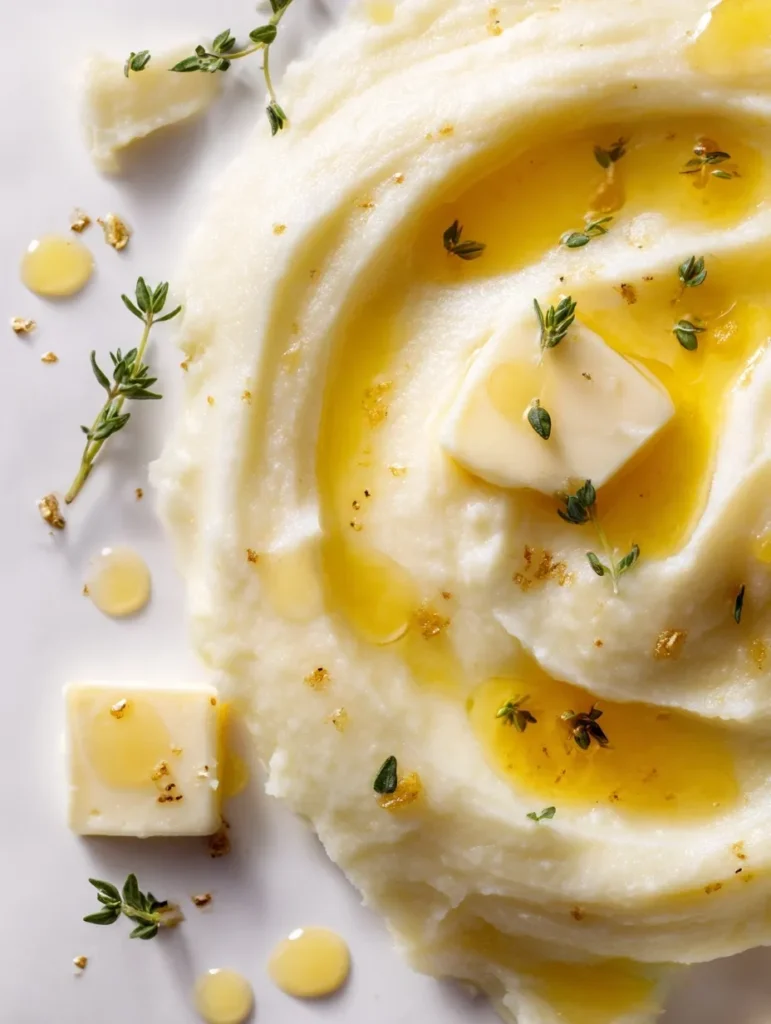
Pro Tips That Change Everything
Heat your milk: Pop it in the microwave while the potatoes drain. Hot dairy integrates smoothly; cold dairy creates lumps and stiffens the texture.
Use a ricer for luxury: If you want restaurant-level smoothness, push the potatoes through a ricer before adding any liquid. It’s like silk.
The steam-dry is crucial: Those 2 minutes in the hot pot after draining evaporate excess water. Skip this and get watery mash.
Butter before liquid: Always. It creates a barrier around the starches that keeps things silky instead of sticky.
Know when to stop: The moment your potatoes look smooth and creamy, stop mashing. Going further activates starch and ruins the texture.
Common Mistakes to Avoid
Using cold dairy: This is the #1 texture killer. Cold milk makes potatoes lumpy and dense.
Overmixing: Once you see smooth, stop. Continuing to mash activates potato starch and creates a gummy mess.
Wrong potato variety: Waxy potatoes like red or fingerlings don’t break down properly. Stick with starchy varieties.
Cutting potatoes too small: They absorb too much water during cooking.
Skipping the steam-dry: Excess moisture equals watery mashed potatoes.
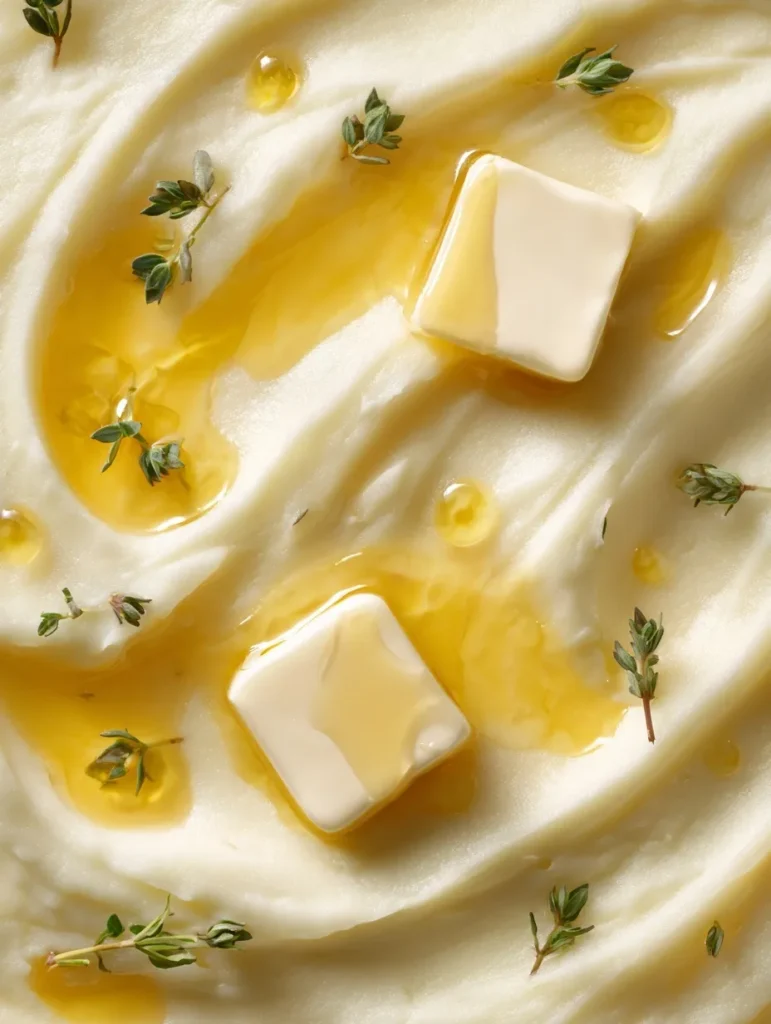
Customization Options
Garlic version: Leave those garlic cloves in and mash them with the potatoes for subtle garlic flavor.
Herb-infused: Heat your milk with fresh thyme, rosemary, or bay leaves. Strain before using.
Tangy twist: Replace half the milk with sour cream or crème fraîche for richness and tang.
Luxury level: Use all heavy cream instead of milk for ultra-rich results.
Lighter option: Use half milk, half low-sodium chicken broth (though honestly, don’t deprive yourself).
Storage and Reheating
Refrigerator: Store leftovers for up to 3 days in an airtight container.
Freezer: Freeze flat in freezer bags for up to 1 month.
Reheating: Warm gently in a pot over low heat with a splash of milk and a knob of butter. Stir constantly to prevent sticking.
Make-ahead tip: These can be made a few hours ahead and kept warm in a slow cooker on the lowest setting, stirring occasionally.
Troubleshooting Guide
Potatoes turned gluey: You overmixed them. Unfortunately, there’s no fixing this – start over and be gentler next time.
Too watery: Return to the pot and cook over low heat, stirring, to evaporate excess moisture.
Too thick: Add warm milk gradually until you reach desired consistency.
Lumpy texture: Push through a fine-mesh sieve or use a ricer next time.
Not enough flavor: Add more salt first, then butter. Potatoes are starch-heavy and need generous seasoning.
What to Serve These With
These potatoes are the perfect base for so many meals:
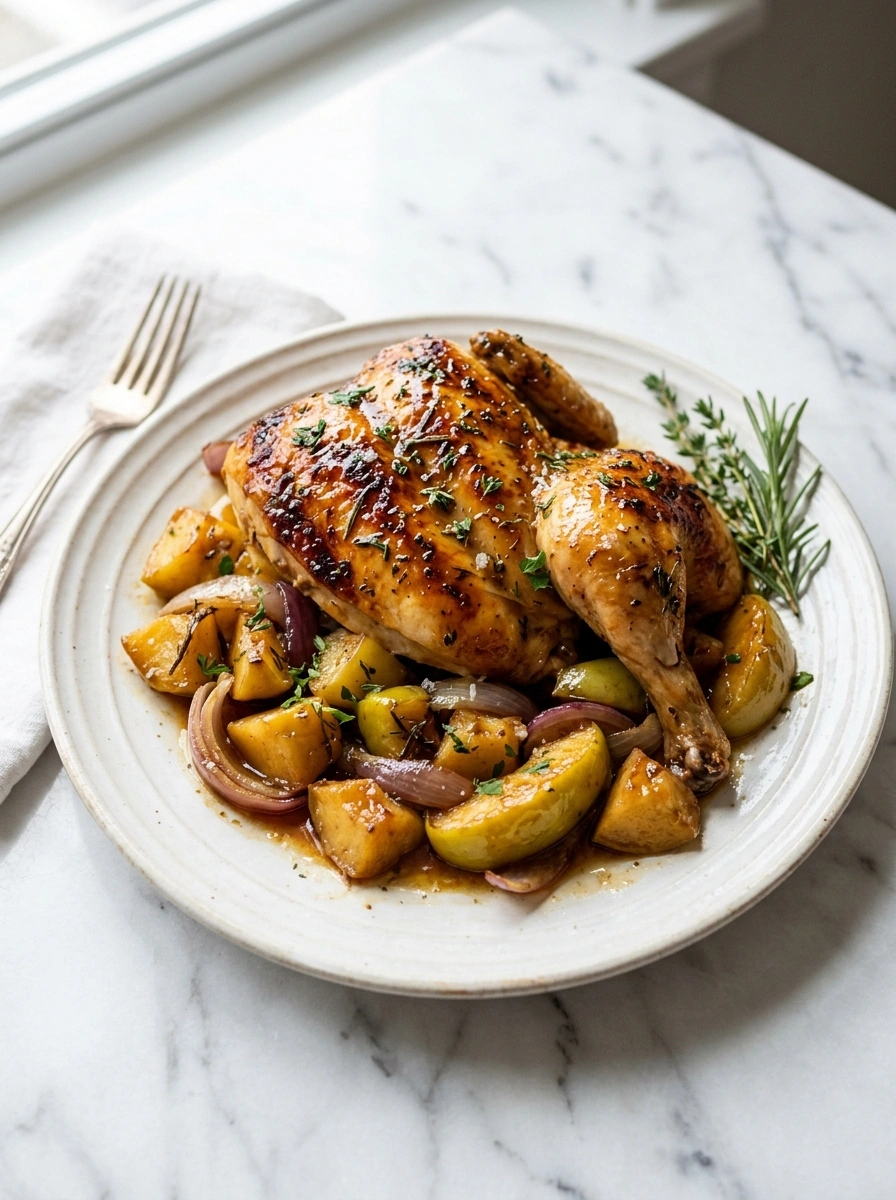
Classic pairings: Roast chicken, turkey, beef roast, or meatloaf Elegant dinners: Filet mignon, lamb chops, or pan-seared salmon Comfort food: Meatballs and gravy, pot roast, or fried chicken Holiday spreads: The perfect Thanksgiving or Christmas side
FAQs
Q: Can I use a food processor to make these smoother? A: No! Food processors and blenders overwork the potatoes and create a gluey texture. Stick to hand mashing or a ricer.
Q: What’s the best potato variety? A: Russets for fluffy texture, Yukon Golds for creamy richness. Both work perfectly with this method.
Q: Can I make these dairy-free? A: Yes, but the texture won’t be the same. Use warm oat milk and olive oil, but expect different results.
Q: Why do my potatoes always turn out gluey? A: Usually from overmixing or using the wrong potato variety. Be gentle and use starchy potatoes.
Q: How do I fix watery mashed potatoes? A: Return them to the pot and cook over low heat while stirring to evaporate moisture.
Here’s the Real Deal
These mashed potatoes are comfort food perfection. The technique might seem fussy, but once you nail it, you’ll never go back to your old method. The difference between mediocre mashed potatoes and restaurant-quality ones comes down to these small details.
The beauty of this recipe is in understanding the why behind each step. Hot dairy integrates smoothly. Butter first prevents gumminess. Steam-drying removes excess moisture. It’s not just following directions – it’s understanding the science of perfect mashed potatoes.
Whether you’re making Sunday dinner or hosting Thanksgiving, these potatoes will be the side dish people remember. They’re proof that sometimes the simplest dishes require the most technique, and when you get it right, magic happens.