The secret to transforming day-old sourdough into the most incredible breakfast ever
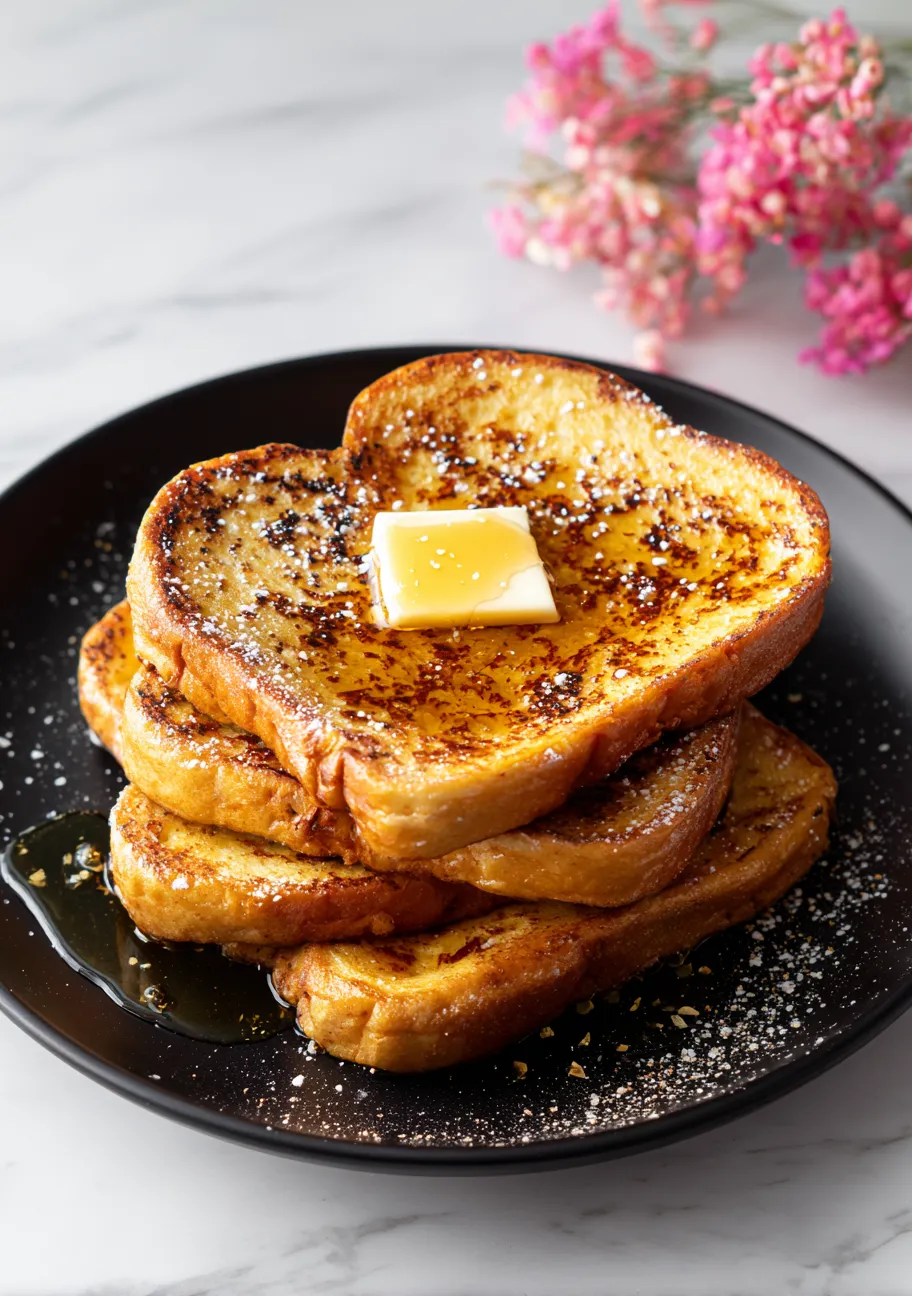
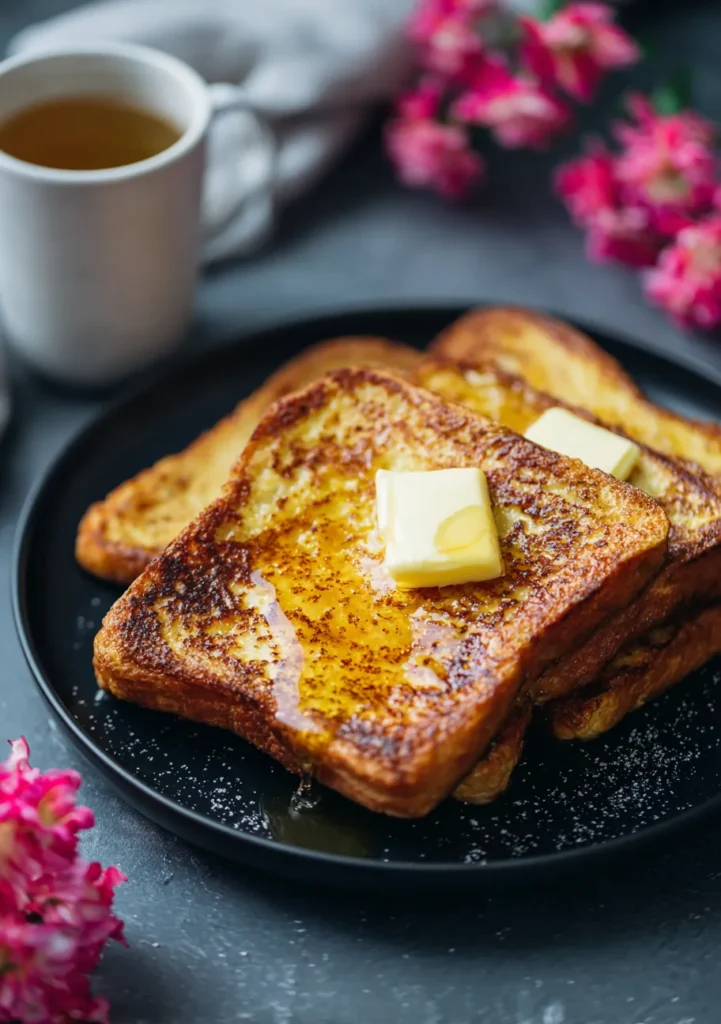
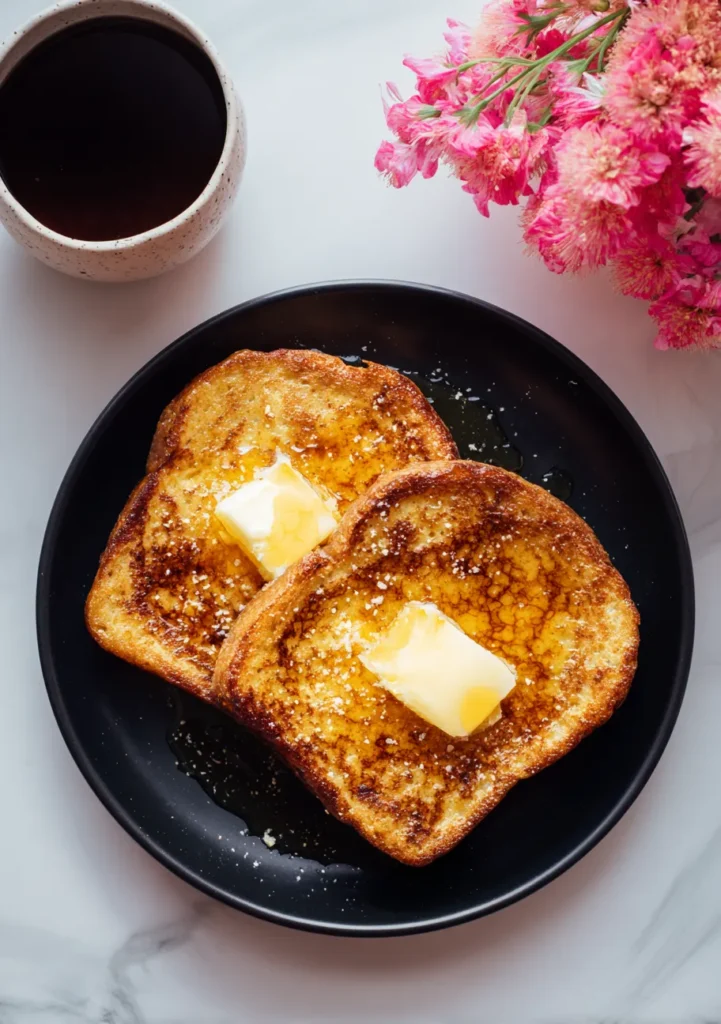
This amazing sourdough French toast is exactly what you need when you have slightly stale bread that’s too good to waste! With just 6 simple ingredients and 20 minutes, you’ll create the most golden, crispy-outside, custardy-inside French toast that rivals the best brunch restaurants.
During my years working in professional kitchens, I learned that the best French toast comes from understanding bread texture and proper soaking techniques. After perfecting this recipe through countless weekend mornings with my family, I can confidently say this sourdough version is absolutely foolproof and incredibly delicious.
What Makes Sourdough French Toast Special
The magic lies in sourdough’s unique tangy flavor and sturdy structure that creates the perfect foundation for French toast. Unlike regular sandwich bread that can become soggy, sourdough holds its shape beautifully while absorbing all those wonderful custard flavors.
What I love most about this recipe is how it transforms something that might otherwise go to waste into a truly special breakfast. The slight tang from the sourdough paired with vanilla and cinnamon creates layers of flavor that keep everyone coming back for more.
Quick Recipe Overview
Prep Time: 10 minutes
Cook Time: 10 minutes
Total Time: 20 minutes
Servings: 4 thick slices
Difficulty: Beginner-friendly
Perfect for: Weekend mornings, brunch entertaining
Essential Ingredients for Success
The Perfect Base:
- 4 thick slices day-old sourdough bread (¾-inch thick)
- 1 large egg
- ½ cup whole milk
- 1 teaspoon pure vanilla extract
- ½ teaspoon ground cinnamon
- Pinch of salt
- 3 tablespoons butter for cooking
Serving Essentials:
- Pure maple syrup
- Fresh berries (optional)
- Powdered sugar for dusting
Professional Tips for Perfect Results
Use Day-Old Bread: Slightly stale sourdough is ideal because it absorbs the custard mixture without falling apart. Fresh bread can become too soggy, while overly dry bread won’t absorb enough liquid.
Thickness Matters: Cut slices to ¾-inch thick for the perfect balance of crispy exterior and creamy interior. Thinner slices cook too quickly, while thicker ones may not cook through.
Temperature Control: Medium heat is crucial – too high and the outside burns before the inside cooks; too low and you won’t get that beautiful golden crust.
Step-by-Step Instructions
Creating the Perfect Custard Base
Step 1: Prepare Your Workspace Set up a shallow dish for soaking and heat your cast iron skillet or heavy-bottomed pan over medium heat. This timing ensures everything is ready when you need it.
Step 2: Make the Custard Mixture Whisk together egg, milk, vanilla, cinnamon, and salt until completely smooth. The key is achieving a milky rather than eggy consistency – this creates that perfect custardy texture.
The Soaking Technique
Step 3: Soak the Bread Properly Place 2 slices in the custard mixture and gently press down. Let soak for exactly 2 minutes per side – this timing is crucial for achieving the right texture. The bread should absorb the mixture without becoming mushy.
Step 4: Check for Proper Absorption The bread should feel saturated but still hold its shape when you lift it with a spatula. If using fresh sourdough, reduce soaking time to 1 minute per side.
Cooking to Golden Perfection
Step 5: Heat and Butter the Pan Add 1½ tablespoons butter to your heated pan and swirl to coat completely. Don’t skimp on the butter – it creates that golden, crispy exterior we’re after.
Step 6: Cook with Patience Place soaked bread in the pan and cook for 4 minutes without moving. This allows the bottom to develop that beautiful golden crust. Flip and cook another 3-4 minutes until both sides are perfectly golden.
Step 7: Adjust Heat as Needed If you want extra crispiness, increase heat slightly during the last minute of cooking, but watch carefully to prevent burning.
Expert Troubleshooting Guide
French Toast Too Soggy? Your bread might be too fresh or you’re over-soaking. Use day-old bread and stick to the timing guidelines.
Not Golden Enough? Increase the heat slightly and make sure you’re using enough butter. The fat is essential for browning.
Custard Not Absorbing? Your bread might be too dry. Try scoring the surface lightly with a knife to help absorption.
Burning on Outside, Raw Inside? Lower your heat to medium-low and cook longer. Patience is key for even cooking.
Storage and Make-Ahead Tips
French toast is best served immediately, but you can keep finished pieces warm in a 200°F oven while cooking additional batches.
Make-Ahead Strategy: You can prepare the custard mixture the night before and store it in the refrigerator. Just give it a quick whisk before using.
Leftover Solutions: Store any leftover French toast in the refrigerator and reheat in a toaster or toaster oven for a quick breakfast during the week.
Delicious Variations to Try
Stuffed French Toast: Create pockets in thick slices and fill with cream cheese and berries for an extra-special weekend treat, similar to these indulgent breakfast options.
Orange Zest Version: Add fresh orange zest to the custard for a bright, citrusy twist that pairs beautifully with maple syrup.
Chocolate Chip Delight: Press mini chocolate chips into the soaked bread before cooking for a kid-friendly version that disappears fast.
Savory Style: Omit the vanilla and cinnamon, add herbs and cheese for a sophisticated brunch option similar to these creative breakfast ideas.
Seasonal Spice: Add nutmeg, cardamom, and a pinch of ginger during fall months for warming flavors that complement seasonal treats.
Perfect Toppings and Serving Ideas
Classic Combinations: Pure maple syrup with fresh berries never goes out of style. The tartness of the berries balances the rich, sweet French toast perfectly.
Elegant Presentation: Dust with powdered sugar and arrange berries artfully for a restaurant-quality presentation that’s perfect for entertaining.
Family-Style Serving: Set up a topping bar with various syrups, fresh fruits, and nuts so everyone can customize their perfect plate.
Understanding Sourdough Benefits
Flavor Advantage: The natural fermentation in sourdough creates complex flavors that regular bread simply can’t match. This tanginess pairs beautifully with sweet custard and maple syrup.
Texture Benefits: Sourdough’s dense, chewy structure holds up better to soaking than softer breads, creating that perfect contrast of crispy exterior and creamy interior.
Digestibility: Many people find sourdough easier to digest due to the fermentation process, making this a great option for those with mild gluten sensitivities.
Why This Recipe Works Every Time
After years of testing French toast techniques, I’ve learned that success comes from:
- Proper bread selection and thickness
- Correct custard ratios for optimal texture
- Precise timing for soaking and cooking
- Temperature control for even browning
The combination of these elements creates consistently perfect results that rival any restaurant.
Nutritional Benefits and Dietary Notes
This recipe provides excellent protein from eggs and milk, complex carbohydrates from sourdough, and can easily be adapted for various dietary needs. The sourdough fermentation also provides beneficial probiotics.
Dairy-Free Option: Substitute plant milk for regular milk and use vegan butter for cooking.
Protein Boost: Serve with Greek yogurt or nuts for added protein to keep you satisfied longer.

Perfect Occasions for Sourdough French Toast
This recipe shines for lazy weekend mornings, special occasion brunches, holiday breakfasts, and anytime you want to turn ordinary ingredients into something extraordinary. It’s also fantastic for unexpected guests since you likely have all the ingredients on hand.
Meal Prep Friendly: While best served fresh, you can prep ingredients the night before for quicker assembly in the morning.
Frequently Asked Questions
Can I use fresh sourdough bread instead of day-old? Yes! Just reduce the soaking time to 1 minute per side instead of 2 minutes. Fresh bread absorbs liquid faster and can become soggy if over-soaked.
What if I don’t have a cast iron skillet? Any heavy-bottomed pan will work beautifully. Non-stick pans work too, though you might not get quite as much browning. The key is even heat distribution.
Can I make this dairy-free? Absolutely! Use your favorite plant-based milk and vegan butter. Oat milk or coconut milk work particularly well for richness and flavor.
How do I know when it’s perfectly cooked? The French toast should be golden brown on both sides and spring back lightly when pressed. The center should feel set but still slightly soft.
Can I double this recipe for a crowd? Yes! Just prepare multiple batches of custard and keep finished pieces warm in a 200°F oven while you cook the rest. This prevents them from getting cold while you finish cooking.