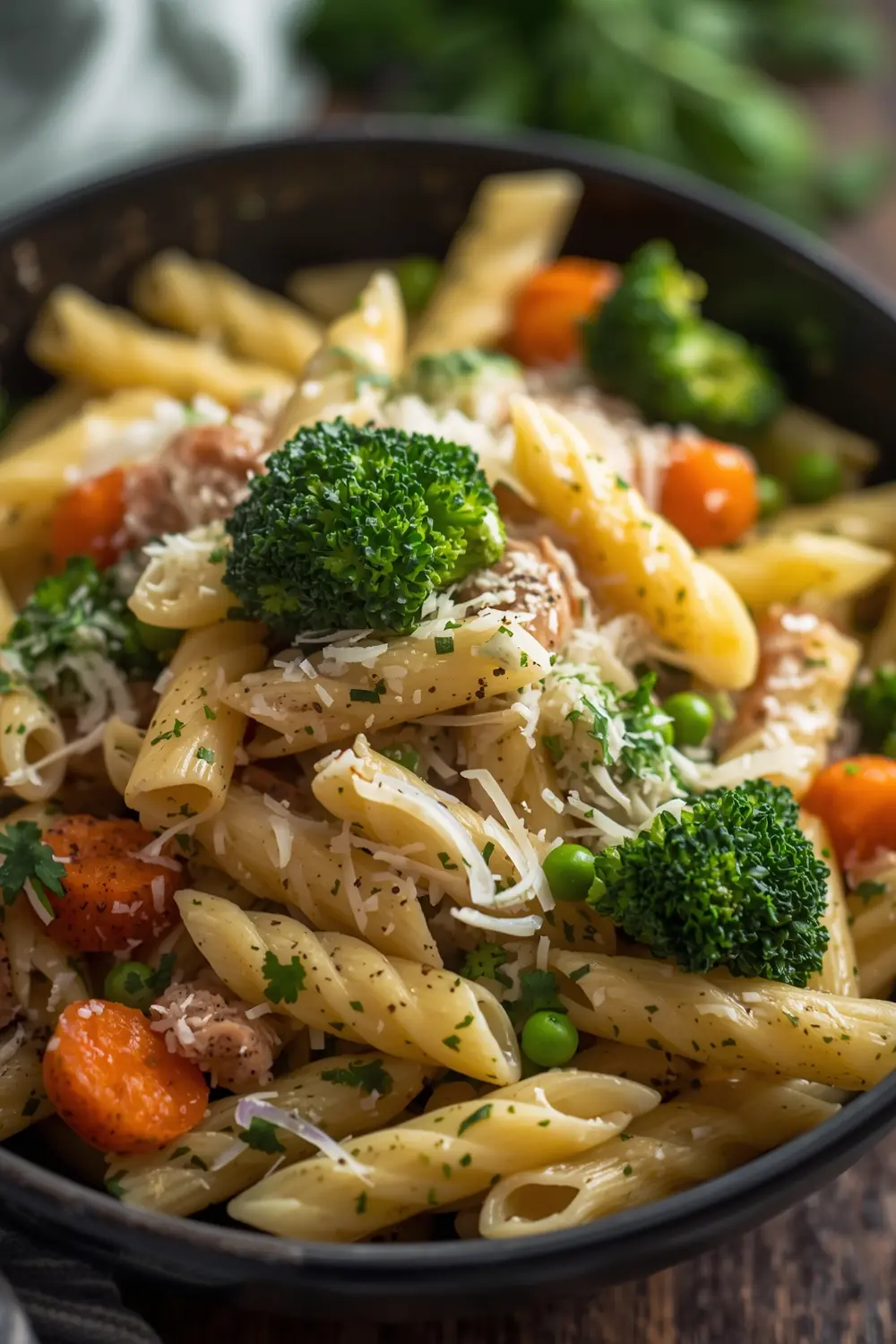
Spring pasta primavera recipe is your answer to those nights when you want something fresh, colorful, and ready faster than you’d expect. I’m talking about a bowl of tender pasta coated in buttery garlic sauce with crisp-tender veggies that actually taste like spring. The best part? You’ll have dinner on the table in under 45 minutes, and your kitchen smells absolutely incredible while you’re cooking.
This isn’t your boring weeknight pasta situation. We’re loading this dish with broccoli, carrots, zucchini, and peas—basically a garden’s worth of goodness without feeling heavy or complicated. If you want more light Italian dinner inspiration, check out our easy weeknight pasta options for other quick ideas.
Honestly, the secret is that you’re not drowning everything in cream sauce. Instead, you’re building flavor with garlic, butter, and that perfect salty pasta water that brings it all together. Save this recipe for your meal prep rotation—it’s a total crowd-pleaser.
Why this spring pasta primavera recipe works
Ever notice how the simplest recipes are usually the ones people actually make twice? That’s this dish right here. I’ve made this probably thirty times in the last two years, and it never gets old because you can swap the veggies based on what’s fresh.
- Comes together in under 45 minutes, making it perfect for busy weeknight dinners
- Fresh spring vegetables mean naturally packed with fiber and nutrients, not heavy or guilt-inducing
- One-pot cooking keeps cleanup minimal and lets you focus on the actual eating part
- Pasta primavera is impressive enough for company but casual enough for just the family
| Prep Time | Cook Time | Calories | Servings | Cuisine |
|---|---|---|---|---|
| 20 minutes | 25 minutes | 425 per serving | 4 servings | Italian |
Ingredients for spring pasta primavera recipe
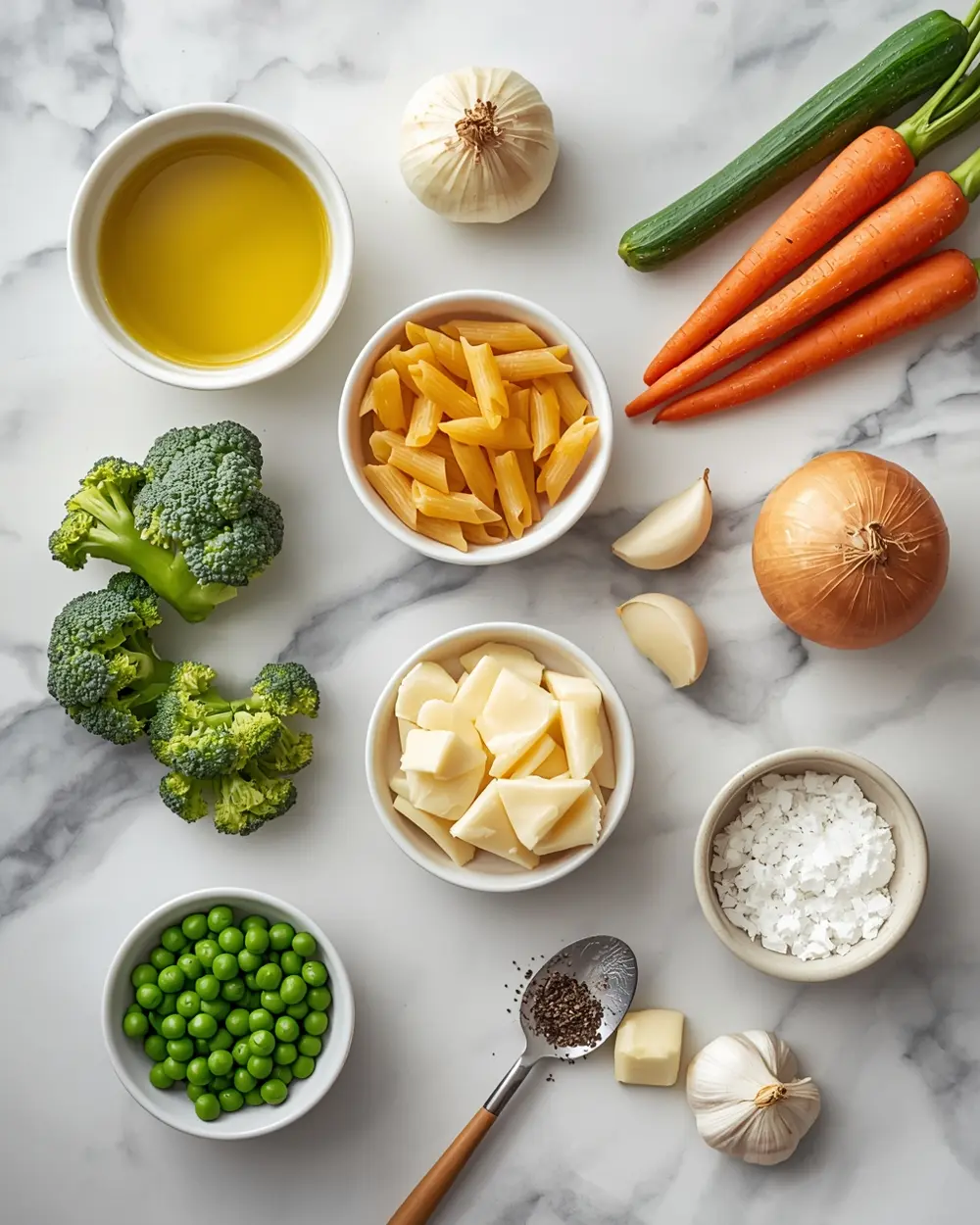
- 8 oz penne pasta
- 2 tbsp olive oil
- 2 tbsp butter
- 1 medium onion, diced
- 2 cloves garlic, minced
- 1 cup broccoli florets
- 1 cup sliced carrots
- 1 cup sliced zucchini
- 1/2 cup frozen peas
- 1/2 cup shredded mozzarella cheese
- 1/2 cup grated Parmesan cheese
- 1/4 tsp black pepper
- 1/4 tsp salt
- 2 tbsp fresh parsley, chopped
Don’t panic if you don’t have every veggie exactly as listed. The beauty of spring pasta primavera recipe is flexibility—swap zucchini for yellow squash, add asparagus, throw in snap peas instead of regular peas. The pasta and cheese are non-negotiable, but the veggies? You do you.
One honest note: frozen peas work beautifully here (I actually prefer them), but if you have fresh spring peas, that’s even better. The frozen ones thaw perfectly in the hot pasta without getting mushy, which saves you time and money.
Step-by-step instructions
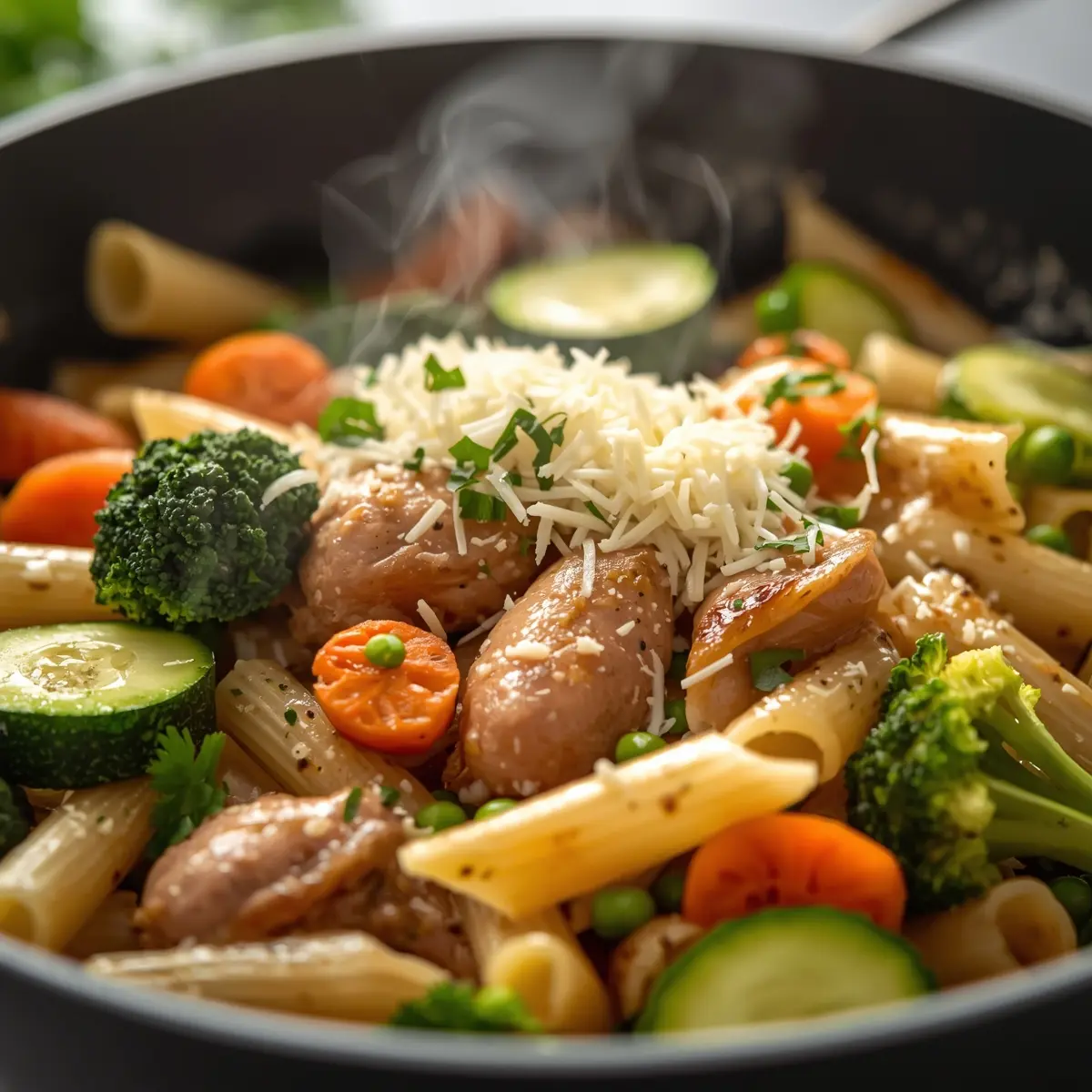
1. Bring a big pot of salted water to a boil and add your penne pasta. Cook according to package directions until it’s al dente (usually around 9-11 minutes). You want it tender but still with a little bite—not mushy. While that’s going, grab a colander and get it ready. Don’t drain the pasta yet; you’ll need some of that starchy water later, trust me.
2. While the pasta cooks, prep your vegetables. Chop your broccoli into small florets, slice those carrots into thin rounds, and cut your zucchini into half-moons. Having everything ready before you start cooking makes this move so much faster. I mince my garlic and dice my onion while the water heats up to save even more time.
3. Heat olive oil and butter together in a large skillet over medium heat. Once the butter’s melted and everything’s foamy (this takes about 1 minute), add your diced onion. Cook for 3-4 minutes until it starts getting soft and translucent, stirring occasionally. You’re not trying to caramelize it; just get it tender and fragrant.
4. Add your minced garlic to the pan and cook for just 30 seconds to 1 minute until it smells absolutely amazing. Don’t walk away here—garlic burns fast and tastes bitter if you’re not careful. Stir it in with the onion so nothing sticks to the bottom of the skillet.
5. Toss in your broccoli, carrots, and zucchini. Stir everything around to coat with the butter and oil, then let it cook for 5-6 minutes without stirring too much. You want the edges to get a little caramelized and the veggies to start softening. They won’t be completely tender yet, and that’s exactly what you want.
6. Drain your pasta and add it directly to the skillet with the veggies. Pour in about 1/4 cup of that reserved pasta water, then add your frozen peas. Toss everything together over medium heat for 2-3 minutes so the pasta water creates a light, silky sauce. This is where the magic happens—that starchy water and butter combine into something way better than cream would be.
7. Remove from heat and stir in both cheeses and fresh parsley. Add salt and pepper to taste, then do a quick smell and flavor check. If it looks too dry, add a splash more pasta water. Divide into bowls and serve immediately while it’s hot and the cheese is still melty.
Serving ideas for spring pasta primavera recipe
Pair this vibrant pasta with something light and complementary to keep the meal feeling fresh and balanced.
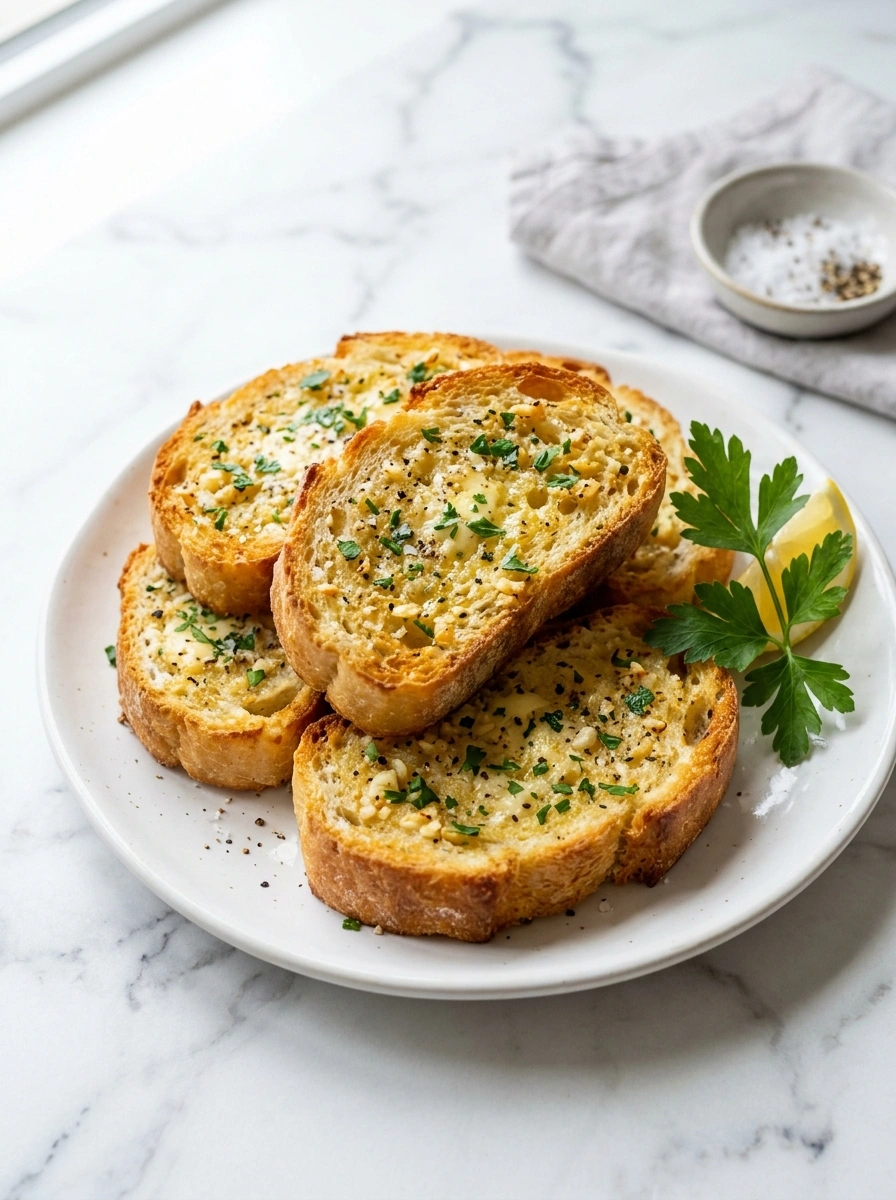
Crispy garlic bread
A slice of crusty bread with garlic butter alongside your veggie-loaded pasta gives you something to soak up all that buttery sauce. Toast it in a hot skillet while your pasta cooks so everything finishes at the same time. It’s simple but makes the whole meal feel more complete, and honestly, it’s worth the extra step.Fresh garden salad
A crisp salad with lemon vinaigrette cuts through the richness of the cheese and creates the perfect light Italian dinner experience. Toss some mixed greens with a handful of cherry tomatoes, cucumber slices, and a basic lemon-herb dressing. It brightens everything up and keeps the meal feeling springtime-y. For more vegetable-forward mains, check out our seasonal vegetable pasta ideas.White wine and fresh fruit
A glass of crisp white wine (Pinot Grigio or Sauvignon Blanc) pairs beautifully with all those spring vegetables in your primavera. Follow dinner with fresh strawberries or a light lemon dessert to keep things feeling seasonal and elegant. This combination is honestly my favorite way to serve it when we have guests.Pro tips for perfect spring pasta primavera recipe
Storage tips
– Keep leftovers in an airtight container in the fridge for up to 3 days before quality starts declining – The pasta tends to absorb liquid, so add a splash of water when reheating if it seems dry – Reheat gently over medium-low heat in a skillet rather than the microwave for better textureMake-ahead instructions
– Chop all your vegetables the night before and store in separate containers so morning-of prep is super quick – Cook the pasta just before serving; don’t combine everything ahead or it gets mushy and sad – You can make the sauce base (onion and garlic in butter) up to 2 hours ahead and store it coveredVariations
– Swap in fresh spinach or kale at the very end for extra greens; it wilts right in from the residual heat – Add grilled chicken breast or shrimp if you want extra protein alongside your spring pasta primavera – Toss in sun-dried tomatoes or fresh basil for a different flavor profile that still feels ItalianTroubleshooting
– If your sauce seems watery, you added too much pasta water—just simmer for another minute without the lid – Veggies came out mushy? You cooked them too long before adding the pasta; start checking at 4 minutes next time – Pasta tastes underseasoned? Always taste and adjust salt at the end; different brands of cheese have different salt levelsFrequently asked questions
Can you make spring pasta primavera ahead and freeze it?
Yes, but texture suffers a bit when frozen because pasta releases water as it thaws. Freeze it in a flat container for up to 2 months, then thaw in the fridge overnight and reheat gently in a skillet over medium-low heat, adding a splash of water to refresh the sauce.What if I don’t have fresh parsley?
Fresh basil works beautifully as a substitute and actually feels more traditionally Italian for a spring pasta primavera recipe. You could also skip fresh herbs entirely if you’re in a pinch—the dish stands on its own with the garlic and cheese flavors.How do you reheat leftovers without drying it out?
Put your leftover spring pasta primavera in a skillet over medium-low heat with a tablespoon of water or olive oil and cover with a lid for **3-4 minutes**, stirring halfway through. This gentle method keeps the pasta tender and the veggies from getting rubbery, way better than the microwave.Is this recipe actually light, or does the cheese make it heavy?
The portion of cheese is pretty moderate, and combined with all those vegetables, it stays around 425 calories per serving and doesn’t feel heavy at all. You’re getting **5 grams of fiber** from the veggies, which makes the dish feel satisfying without being overwhelming.Final thoughts
This spring pasta primavera recipe is genuinely one of those dishes that feels fancy but requires basically zero cooking skills. Your family (and any guests) will actually think you spent way more effort than you did, which is my favorite kind of recipe.
The colors alone make people want to dig in immediately. Serve it family-style in a big bowl and watch people come back for seconds—it happens every single time I make it.
Want to build your weeknight rotation? Try our quick Italian pasta collection for more ideas that deliver. Pin this for your next busy Tuesday when you need something fresh, tasty, and genuinely quick.