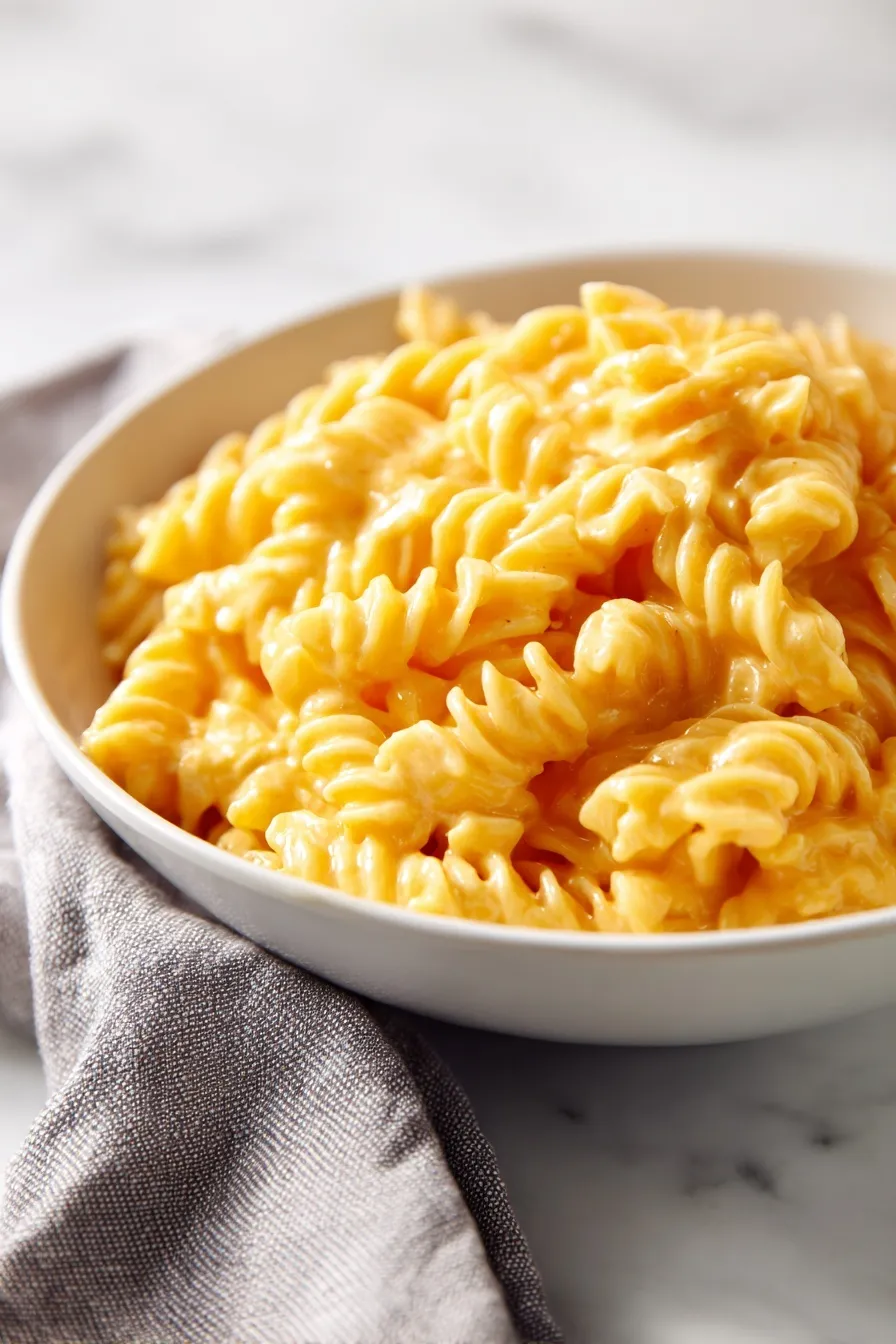
This roasted butternut squash mac and cheese transforms classic comfort food into a healthier, more sophisticated fall dish. The creamy butternut squash sauce blends seamlessly with sharp cheddar for the ultimate cozy dinner.
Since you’re here, make sure to check out these related recipes:
- Creamy Butternut Squash Soup
- Butternut Squash Pasta Sausage Spinach
- Honey Pepper Chicken Mac and Cheese
- Butternut Squash Apple Bake
- Creamy Bacon Tortellini Recipe
Why This Butternut Squash Mac and Cheese Works
Ever wonder how to make mac and cheese healthier without sacrificing that creamy, indulgent texture? This butternut squash mac and cheese recipe sneaks in vegetables while maintaining all the comfort food appeal you crave.
The secret lies in roasting butternut squash until caramelized, then blending it into the cheese sauce. The squash adds natural sweetness, vibrant color, and silky texture while reducing the amount of cheese needed. I’ve served this to countless picky eaters who had no idea they were eating vegetables.
Here’s what makes this recipe special:
- Hidden vegetables that even kids devour without complaint
- Naturally creamy texture from pureed butternut squash
- Fall-inspired flavors perfect for cozy dinners
- Healthier than traditional mac and cheese without tasting diet-y
The roasted butternut squash provides velvety texture and subtle sweetness that enhances sharp cheddar. Sage and nutmeg add warm, autumnal notes that make this dish feel special and seasonal.
Ingredients
Want to know the secret to that perfectly smooth, naturally sweet sauce? It’s all about properly roasting the squash until deeply caramelized.
For the Roasted Butternut Squash:
- 1 medium butternut squash (about 2 lbs), peeled and cubed
- 2 tablespoons olive oil
- 1 teaspoon sea salt
- 1/2 teaspoon black pepper
- 1/4 teaspoon nutmeg
For the Pasta:
- 1 lb pasta (elbows, shells, or cavatappi)
- 1 tablespoon salt for pasta water
- 2 tablespoons butter for tossing
For the Cheese Sauce:
- 3 tablespoons unsalted butter
- 3 tablespoons all-purpose flour
- 2 cups whole milk, warmed
- 1 cup vegetable or chicken broth
- 1 teaspoon garlic powder
- 1 teaspoon onion powder
- 1/2 teaspoon dried sage (or 1 tablespoon fresh)
- 1/4 teaspoon cayenne pepper (optional)
- 1 teaspoon sea salt
- 1/2 teaspoon white pepper
For the Cheese Blend:
- 2 1/2 cups sharp cheddar cheese, shredded
- 1 cup Gruyère cheese, shredded
- 1/2 cup Parmesan cheese, grated
For Topping (Optional):
- 1 cup panko breadcrumbs
- 2 tablespoons melted butter
- 1/4 cup grated Parmesan
- 1 tablespoon fresh sage, chopped
Choose a butternut squash that feels heavy for its size with smooth, unblemished skin. Fresh sage elevates this dish tremendously, but dried works in a pinch. Shred cheese from a block for the smoothest sauce.
Step-By-Step Instructions
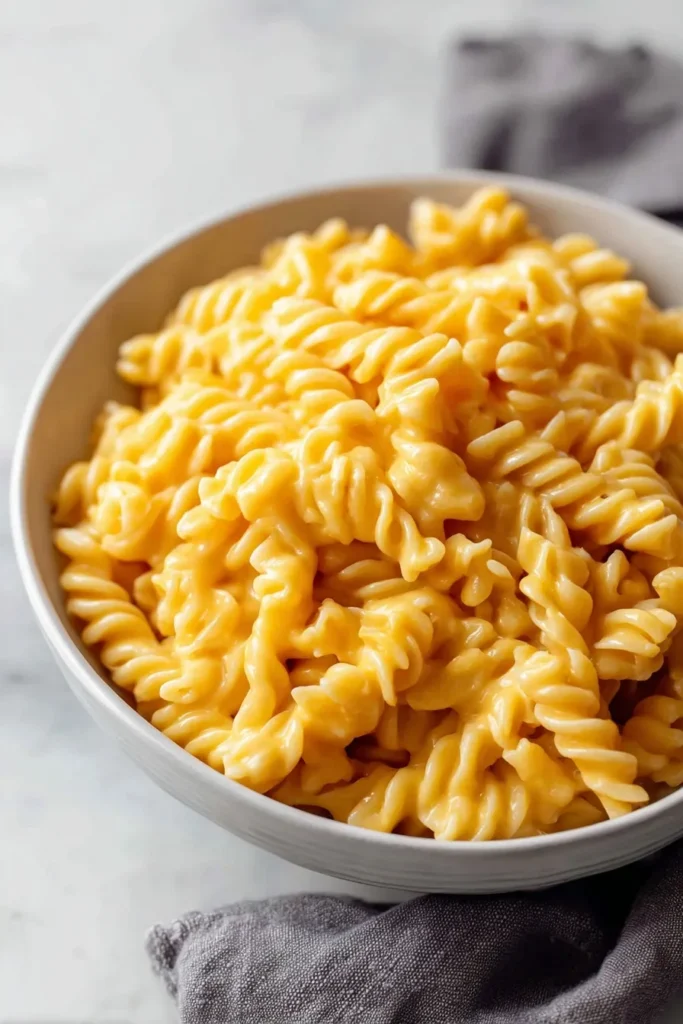
1. Roast the butternut squash. Preheat oven to 400°F. Toss cubed butternut squash with olive oil, salt, pepper, and nutmeg on a large baking sheet. Spread in a single layer and roast for 30-35 minutes, flipping halfway through, until deeply golden and fork-tender. The caramelization is key for flavor depth.
2. Blend the squash. Transfer roasted squash to a blender or food processor. Add 1/2 cup warm milk from your measured amount and blend until completely smooth and silky. The puree should be thick but pourable. Set aside while you prepare the rest.
3. Cook the pasta perfectly. Bring a large pot of salted water to a rolling boil. Cook pasta according to package directions until al dente (usually 7-8 minutes). Drain and toss with butter to prevent sticking. The pasta continues cooking when combined with hot sauce, so don’t overcook.
4. Make the cheese sauce base. In a large Dutch oven or saucepan, melt butter over medium heat. Add flour and whisk constantly for 2-3 minutes until golden and nutty-smelling. Gradually whisk in remaining warm milk and broth, stirring constantly to prevent lumps. Cook for 5-7 minutes until the mixture thickens enough to coat the back of a spoon.
5. Combine everything. Stir the butternut squash puree into the sauce along with garlic powder, onion powder, sage, cayenne if using, salt, and white pepper. Remove from heat and add cheeses one handful at a time, stirring until melted and smooth. Fold in cooked pasta until every piece is coated. Transfer to a greased 9×13-inch baking dish, top with breadcrumb mixture if desired, and bake at 350°F for 25-30 minutes until bubbly and golden brown.
Essential Equipment for Butternut Squash Mac and Cheese
Large Rimmed Baking Sheet
Essential for roasting squash in a single layer for even caramelization. Heavy-duty aluminum or stainless steel prevents warping at high heat.
High-Speed Blender or Food Processor
Creates perfectly smooth butternut squash puree without any lumps. A powerful motor handles dense squash easily for silky texture.
Large Dutch Oven (5-6 Quart)
Wide cooking surface allows you to make sauce and combine everything in one pot. Heavy construction prevents scorching and distributes heat evenly.
Vegetable Peeler and Chef’s Knife
Sharp tools make peeling and cubing butternut squash safe and efficient. A sturdy Y-peeler removes tough skin quickly.
Immersion Blender (PREMIUM)
Professional kitchens use these to blend squash directly in the pot for fewer dishes. The variable speeds give you perfect control over texture.
Enameled Cast Iron Dutch Oven (PREMIUM)
Restaurant-quality cookware provides superior heat retention for perfectly smooth cheese sauces. The beautiful finish goes from stovetop to oven to table seamlessly.
What to Serve with Butternut Squash Mac and Cheese
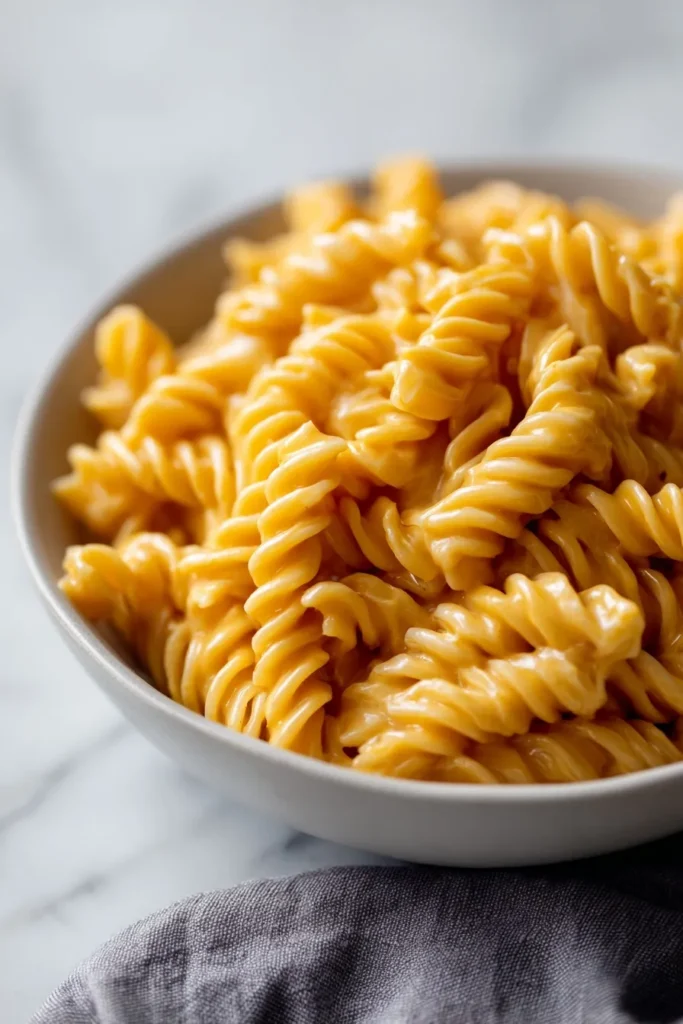
Looking for the perfect sides to complete this cozy fall dinner?
Serve with simple roasted chicken for a comforting autumn meal. The mild chicken lets the butternut squash flavors shine through. This combination works beautifully for weeknight dinners or Sunday suppers.
Try my balsamic baked chicken breast for an easy protein pairing. The tangy balsamic glaze complements the sweet butternut squash perfectly.
A crisp apple and arugula salad provides refreshing contrast to the rich pasta. Toss with walnuts, dried cranberries, and apple cider vinaigrette. The peppery arugula cuts through the creamy sauce beautifully.
My strawberry spinach salad with honey balsamic vinaigrette adds bright, fresh flavors. The fruity sweetness complements the butternut squash wonderfully.
Roasted Brussels sprouts with crispy edges pair perfectly with this dish. The slight bitterness balances the sweet squash sauce. Toss with balsamic glaze for extra flavor depth.
Crusty artisan bread is essential for soaking up every drop of sauce. Toast until golden and serve with herb butter. This turns dinner into a complete, satisfying meal.
Sautéed mushrooms and caramelized onions add earthy depth. The umami flavors enhance the cheese sauce beautifully. This makes the meal feel more sophisticated and restaurant-worthy.
Storage and Reheating Guide
Refrigerator Storage
Store leftover butternut squash mac and cheese in airtight containers for up to 4 days maximum. Let it cool completely before refrigerating to prevent excess condensation. The sauce thickens when cold but loosens beautifully when reheated with milk.
Freezer Storage
Freeze in portion-sized containers for up to 3 months for easy meal prep. Thaw overnight in the refrigerator before reheating. The butternut squash helps maintain creamy texture even after freezing better than traditional mac and cheese.
Reheating Instructions
Reheat in a saucepan over low heat, adding 3-4 tablespoons milk to loosen the sauce. Stir frequently for 5-7 minutes until heated through. Microwave individual portions at 50% power for 2-3 minutes, stirring every minute and adding a splash of milk. The butternut squash prevents the sauce from breaking as easily during reheating.
Pro Storage Tips
- Add extra milk before refrigerating to prevent excessive thickening overnight
- Press plastic wrap directly onto the surface to prevent skin formation
- Store breadcrumb topping separately to maintain crispness for up to 2 days
- Freeze in muffin tins for perfect single-serve portions that reheat quickly
Recipe Variations
Want to switch things up? This versatile base adapts beautifully to different proteins and flavor profiles.
Bacon Sage Butternut Mac
Cook 8 slices bacon until crispy, crumble, and fold into the finished dish. Add 2 tablespoons bacon fat to the roux for smoky richness. Double the fresh sage for herbaceous depth. This creates an incredibly savory fall comfort food combination.
Chicken and Butternut Mac
Try my chicken marinade formula and add 2 cups diced rotisserie chicken. Fold in sautéed spinach for extra vegetables. Use smoked Gouda instead of Gruyère for depth. This transforms the dish into a complete one-pot meal.
Vegan Butternut Mac
Replace butter with olive oil and use cashew cream instead of dairy milk. Substitute nutritional yeast and vegan cheese for the cheese blend. Add 2 tablespoons miso paste for umami depth. The butternut squash makes this naturally creamy without any dairy.
Spicy Italian Butternut Mac
Add 1 lb Italian sausage (halal-certified) browned and crumbled. Increase cayenne to 1/2 teaspoon and add red pepper flakes. Use fontina and mozzarella cheeses for Italian flair. This creates a heartier, spicier version perfect for cold nights.
Caramelized Onion Version
Fold in 2 cups deeply caramelized onions for sweet, savory complexity. Add fresh thyme instead of sage. Top with crispy fried onions before baking. The sweetness of onions enhances the butternut squash beautifully.
Pro Tips & Tricks
Curious about the insider secrets that make this butternut squash mac and cheese restaurant-quality?
- Roast butternut squash until deeply golden—the caramelization creates complex flavor depth
- Cut squash into uniform 1-inch cubes so everything roasts at the same rate
- Blend squash with warm milk first for the silkiest, smoothest puree possible
- Use room temperature cheese so it melts faster and more evenly into the sauce
- Add cheese off the heat to prevent overheating that causes graininess and separation
- Don’t skip the nutmeg—it enhances squash flavor without tasting overtly spiced
- Reserve 1 cup pasta water to thin sauce if needed—the starch helps everything bind
- Let the dish rest 5 minutes after baking so the sauce thickens to perfect consistency
- Fresh sage makes a huge difference—dried sage is fine but fresh elevates this to another level
Frequently Asked Questions
Q: Can you make butternut squash mac and cheese ahead of time?
Yes! Prepare the entire dish up to 24 hours ahead and refrigerate unbaked. Let it sit at room temperature for 30 minutes before baking. Add 5-10 minutes to baking time since it starts cold for perfect results.
Q: How long does this recipe last in the fridge?
Store properly in airtight containers for up to 4 days maximum. The butternut squash actually helps maintain moisture better than traditional mac and cheese. The flavors deepen and improve after a day in the refrigerator.
Q: Can you freeze butternut squash mac and cheese?
Absolutely! Freeze in portion-sized containers for up to 3 months for convenient meals. Thaw overnight in the refrigerator before reheating. The butternut squash helps prevent the grainy texture that sometimes happens with frozen mac and cheese.
Q: What to serve with butternut squash mac and cheese?
Roasted chicken, pork chops, or simple proteins work beautifully. Try my balsamic baked chicken for an easy pairing. Fresh salads and roasted vegetables provide balance to the creamy, rich pasta.
Q: How do you make this recipe less sweet?
Reduce butternut squash to 1 1/2 lbs instead of 2 lbs. Add 1 extra tablespoon Dijon mustard for tanginess. Increase sharp cheddar to 3 cups for more savory depth that balances natural squash sweetness.
Q: What’s the best pasta shape for this recipe?
Shells, cavatappi, or elbows all work beautifully because they catch the sauce. Choose pasta shapes with ridges or curves that hold the creamy butternut sauce. Avoid long pasta like spaghetti—it doesn’t work as well.
Q: Can I use pre-cut butternut squash?
Yes! Pre-cut squash saves significant prep time and works perfectly. Look for fresh, not frozen, cubes in the produce section. Frozen squash contains too much moisture and won’t roast properly for this recipe.
Q: How many servings does this recipe make?
This recipe serves 8-10 people as a side dish or 6-8 as a main course. It fills a standard 9×13-inch baking dish perfectly. Double the recipe for large holiday gatherings or potlucks.
Q: Why is my sauce grainy?
The cheese was overheated or added while the sauce was too hot. Always remove pan from heat before adding cheese. Use freshly shredded cheese from a block—pre-shredded contains anti-caking agents that cause graininess.
Q: What if I don’t have butternut squash?
Sweet potato or pumpkin puree work as substitutes in equal amounts. The flavor will be slightly different but still delicious. You can also use 15 oz canned butternut squash if fresh isn’t available.
Q: How do I prevent dry baked mac and cheese?
Don’t overbake—remove when just bubbly and golden, not dried out. Cover with foil for the first 20 minutes of baking to retain moisture. Add extra milk or broth if the sauce seems too thick before baking.
Q: Can you make this gluten-free?
Use gluten-free pasta and substitute gluten-free flour blend for all-purpose flour. The butternut squash helps create creaminess so the sauce works beautifully with gluten-free flour. Everything else in the recipe is naturally gluten-free.
Ready to Try This Fall Favorite?
This roasted butternut squash mac and cheese proves that comfort food can be both indulgent and wholesome. The hidden vegetables and incredible flavor make this a year-round favorite that shines especially bright during fall.
Save this recipe for cozy dinners! Leave a comment with your favorite variation and share with friends who love creative comfort food.