Recipe Category: Desserts, Breakfast, Fried Foods
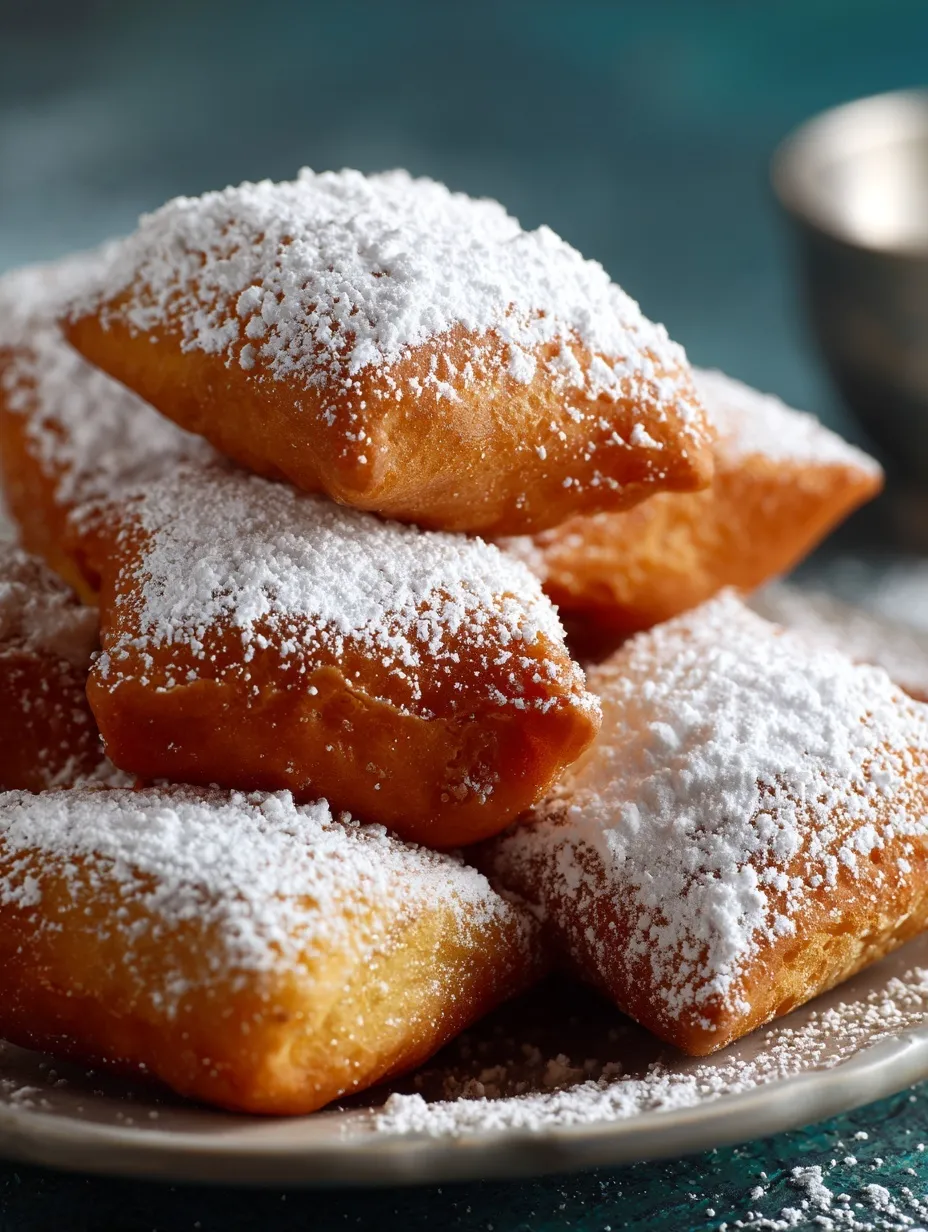
Who needs a trip to New Orleans when you can whip up these pillowy clouds of fried perfection right in your own kitchen? These homemade beignets are about to become your new weekend obsession.
Since you are here, make sure to check out these related treats:
- Perfect Homemade Beignets
- Funnel Cake Bites Recipe
- Churro Bites Recipe
- Easy Cinnamon Twists Recipe
- Delicious Cruffins
Why These Beignets Will Change Your Life
Look, I’ve tried making beignets at home before, and let me tell you – it was a disaster. Greasy, dense squares that tasted nothing like those magical puffs from Café du Monde. But this recipe? Game changer.
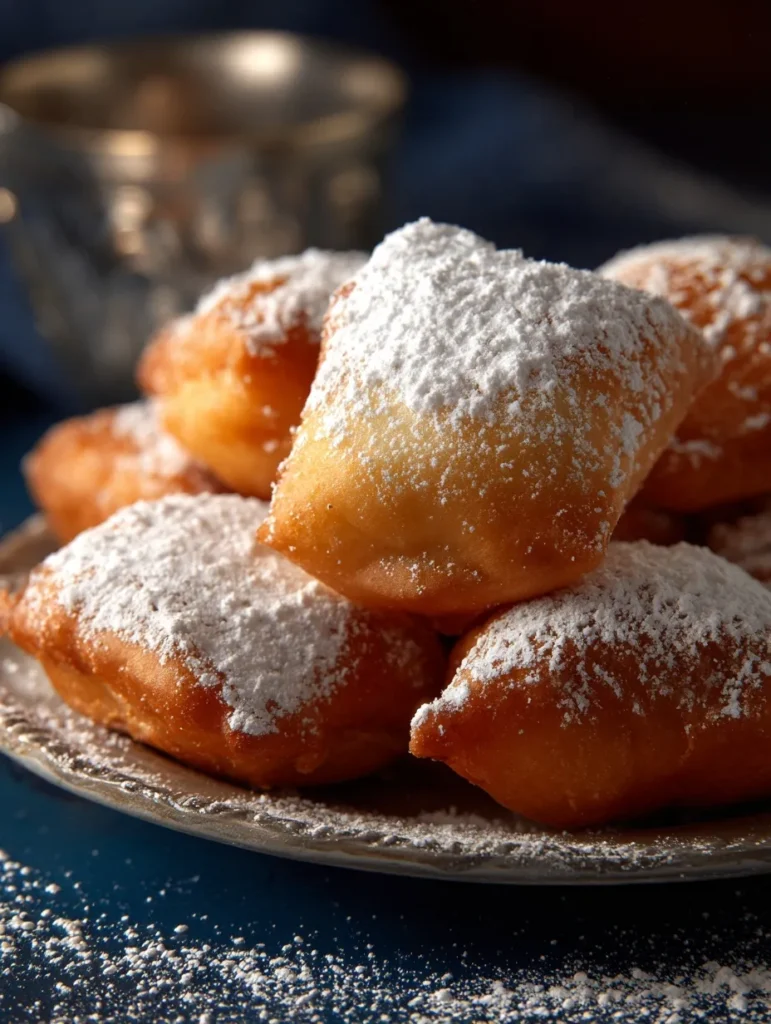
The secret lies in the dough consistency and temperature control. You’re not just throwing flour and water together and hoping for the best. This method creates beignets that are crispy on the outside, impossibly light on the inside, and absolutely drowning in powdered sugar (as they should be).
Ever wonder why restaurant beignets taste so much better than homemade attempts? It’s all about proper proofing and getting your oil temperature just right. Too hot, and you’ll get burnt outsides with raw centers. Too cool, and you’re eating oil sponges. Not cute.
Ingredients
Here’s what you’ll need for about 24 beignets (trust me, you’ll want that many):
For the Dough:
- 1 cup warm water (110°F – not scalding, not lukewarm)
- 1/4 cup granulated sugar
- 1 packet (2 1/4 tsp) active dry yeast
- 1 large egg, beaten
- 1/2 cup evaporated milk
- 1 tsp salt
- 2 tbsp vegetable oil
- 4 cups all-purpose flour
For Frying & Finishing:
- Vegetable oil for deep frying (about 6 cups)
- 2 cups powdered sugar for dusting
Pro tip: Don’t even think about substituting the evaporated milk. That’s what gives these beignets their rich, tender crumb. Regular milk just won’t cut it here.
Instructions
Step 1: Wake Up That Yeast
Mix warm water, sugar, and yeast in a large bowl. Let it sit for about 5 minutes until it gets foamy and smells like bread heaven. If nothing happens, your yeast is dead – start over with fresh yeast.
Step 2: Build Your Dough
Add the beaten egg, evaporated milk, salt, and oil to your yeast mixture. Gradually stir in the flour until you have a soft, slightly sticky dough. Don’t overthink this – it should feel like pizza dough’s softer cousin.
Step 3: The First Rise
Place dough in a greased bowl, cover with a damp towel, and let it rise in a warm spot for about 1 hour. It should double in size. I like to put mine on top of the fridge – perfect temperature up there.
Step 4: Roll and Cut
Turn the dough onto a floured surface and roll it to about 1/4 inch thickness. Cut into 3-inch squares. Don’t worry about perfect measurements – rustic is better anyway. 🙂
Step 5: The Second Rise (Don’t Skip This!)
Let those cut squares rest for 30 minutes. This second rise is crucial for achieving that airy texture. I know, I know – you want to fry them immediately, but patience pays off here.
Step 6: Heat That Oil
Heat oil to 375°F in a heavy pot or deep fryer. This temperature is non-negotiable. Too low and they’ll be greasy; too high and they’ll burn before cooking through.
Step 7: Fry Time
Carefully slide 3-4 squares into the hot oil. Don’t overcrowd! Fry for 1-2 minutes per side until golden brown and puffed up like little pillows. They should practically float to the surface.
Step 8: Sugar Snow
Transfer to paper towels briefly, then immediately dust with powdered sugar while they’re still warm. And I mean dust – be generous! The sugar should stick to the warm surface.
The Secret to Perfect Beignets
Temperature control is everything. I can’t stress this enough. Get yourself a candy thermometer and use it religiously. The difference between 350°F and 375°F is the difference between soggy disappointment and crispy perfection.
Also, timing matters. These are best eaten within 30 minutes of frying. After that, they start losing their magic. So plan accordingly – make them when people are ready to eat them, not hours ahead.
The dough can be made the night before though! Just cover it tightly and let it do its first rise in the fridge overnight. Let it come to room temperature before rolling and cutting.
Troubleshooting Common Disasters
Dense, heavy beignets? Your yeast was probably dead, or you added too much flour. The dough should be soft and slightly sticky.
Greasy beignets? Oil temperature was too low. They need that initial sizzle to create a barrier that prevents oil absorption.
Raw centers? Oil was too hot, or pieces were too thick. Stick to 1/4 inch thickness and 375°F oil temperature.
Not puffing up? Either you skipped the second rise, or your oil wasn’t hot enough. Both rises are essential for that signature puff.
Flavor Variations (Because Why Not?)
Once you’ve mastered the basic recipe, try these twists:
- Café au Lait Beignets: Add 2 tbsp instant coffee to the dry ingredients
- Orange Beignets: Add 1 tbsp orange zest to the dough
- Chocolate Beignets: Replace 1/4 cup flour with cocoa powder
- Filled Beignets: Inject with Nutella or jam after frying (fancy!)
Storage Tips
Let’s be real – these are best eaten immediately. But if you absolutely must store them:
- Room temperature: 2 days max in an airtight container
- Freezer: Up to 3 months (reheat in 350°F oven for 5 minutes)
- Reheating: Quick blast in the oven beats the microwave every time
FAQ
Q: Can I bake these instead of frying? A: Technically yes, but they won’t be beignets anymore. The frying creates that signature texture and flavor. Baked versions are more like dinner rolls with powdered sugar.
Q: What’s the difference between beignets and donuts? A: Beignets are made with yeast dough and are square-shaped, while most donuts are round and can be cake-based or yeast-based. Beignets are also traditionally served with way more powdered sugar.
Q: Can I make the dough ahead of time? A: Absolutely! Make it the night before and let it rise slowly in the fridge. Just bring to room temperature before shaping and frying.
Q: Why are my beignets not puffing up? A: Usually it’s because the oil isn’t hot enough or you skipped the second rise. Both are crucial for that signature puff.
Q: Can I use a different type of flour? A: Stick with all-purpose flour for best results. Bread flour will make them too chewy, and cake flour won’t provide enough structure.
Here’s the Real Deal
These beignets are honestly better than most restaurant versions I’ve had. The combination of proper technique and fresh ingredients creates something truly special. Plus, there’s something deeply satisfying about mastering a recipe that seems intimidating but is actually pretty straightforward once you know the tricks.
Fair warning though – once you make these, you’ll never want to pay $8 for three sad beignets at a café again. You’ve been warned!
The best part? Watching people’s faces when they bite into these warm, sugar-dusted clouds of happiness. That moment of surprise and pure joy? Priceless. So go ahead, treat yourself and your people to something extraordinary. You deserve it.