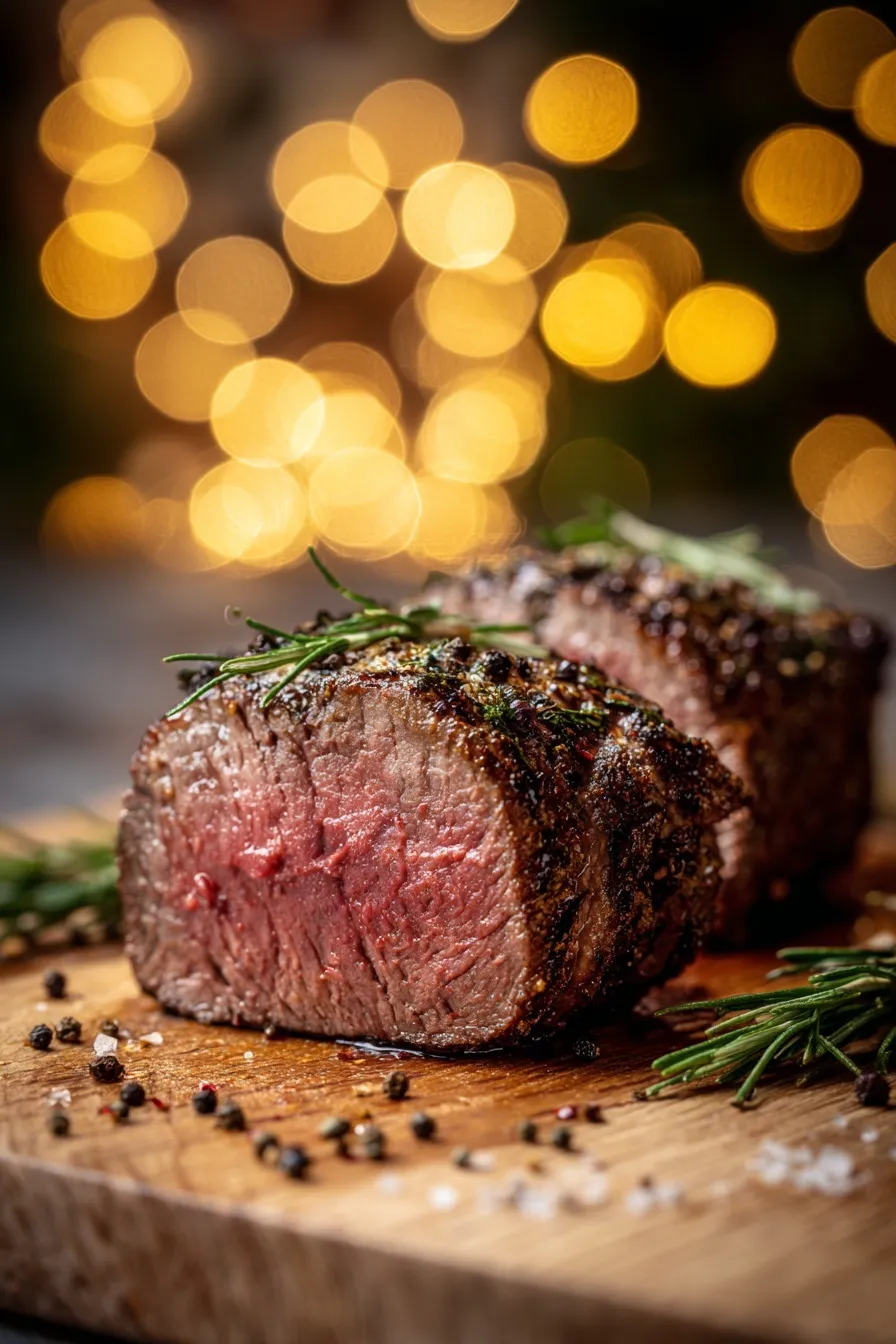
This prime rib recipe delivers a restaurant-quality roast with a perfectly seasoned crust and juicy, tender interior every time. 🥩 Ready in just 3 hours with minimal hands-on time, this show-stopping centerpiece transforms any dinner into a special occasion. Whether you’re hosting Christmas, Easter, or an elegant Sunday dinner, this foolproof method guarantees impressive results that’ll have everyone asking for seconds!
Since you’re here, make sure to check out these related recipes:
- Herb Butter Turkey Recipe
- Perfect Garlic Mashed Potatoes
- Creamy Garlic Mashed Potatoes
- Honey Butter Sweet Potatoes
- Perfect Turkey Gravy Recipe
Why This Prime Rib Recipe Works
Ever wonder why restaurant prime rib tastes so much better than homemade versions?
The secret is the reverse-sear method combined with a killer herb crust. This prime rib recipe uses low-and-slow roasting followed by a high-heat finish to lock in juices while creating that coveted caramelized exterior. Starting at a low temperature allows the meat to cook evenly from edge to center, preventing the dreaded gray ring around a rare middle.
Here’s what makes this recipe special:
- Reverse-sear technique: Low heat first, then high heat creates perfect edge-to-edge doneness with a gorgeous crust
- Simple herb rub: Fresh garlic, rosemary, and thyme elevate the natural beef flavor without overpowering it
- Room temperature start: Bringing meat to room temp ensures even cooking throughout the roast
- Built-in thermometer guidance: Takes the guesswork out so you nail your preferred doneness every single time
The combination of kosher salt, fresh herbs, and high-quality beef creates a flavor profile that tastes like you hired a private chef. The slow roasting tenderizes the meat while keeping it incredibly juicy, and that final high-heat blast gives you the crackling, savory crust everyone fights over.
Ingredients
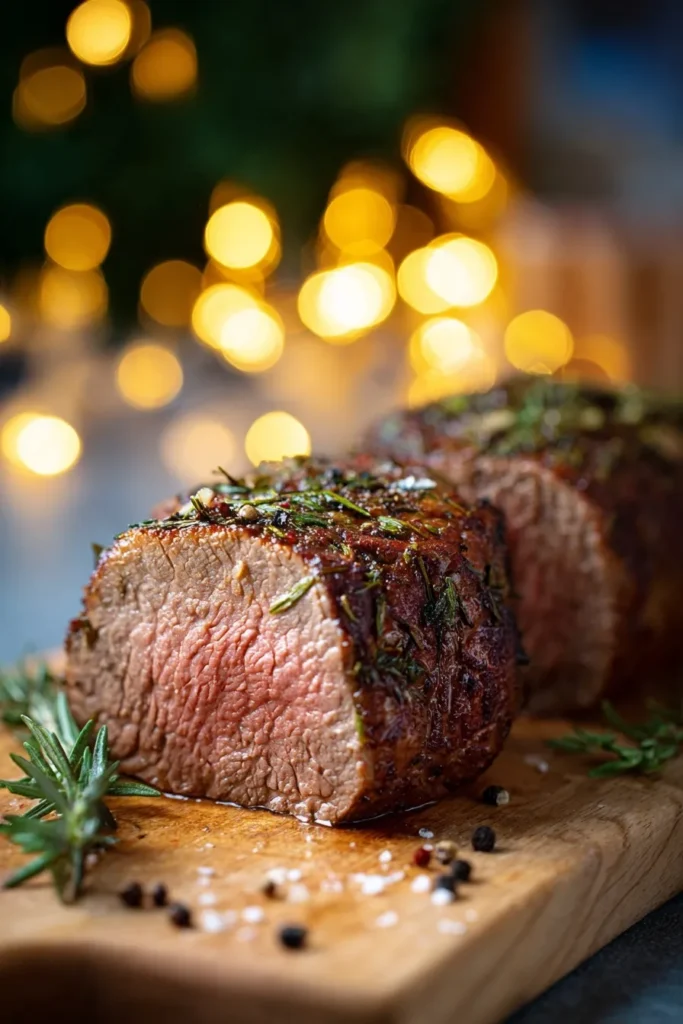
Want to know the secret to a crust that’s packed with flavor instead of bland?
The key is fresh herbs combined with quality salt and generous amounts of garlic. Here’s everything you need for the best prime rib recipe:
For the Prime Rib:
- 1 (5-7 pound) bone-in prime rib roast (also called standing rib roast)
- 3 tablespoons kosher salt
- 2 tablespoons black pepper, freshly ground
- 6 cloves garlic, minced
- 2 tablespoons fresh rosemary, finely chopped
- 2 tablespoons fresh thyme leaves
- 3 tablespoons olive oil or softened butter
- 1 tablespoon Dijon mustard (optional, helps herbs stick)
For the Au Jus (Optional):
- Pan drippings from roast
- 2 cups beef broth (halal-certified)
- 1 tablespoon Worcestershire sauce (halal-certified)
- Fresh thyme sprigs
The bone-in roast is crucial—it acts as a natural roasting rack and adds incredible flavor to the meat. Fresh herbs make a massive difference compared to dried, so don’t substitute if you can help it. The olive oil helps the rub adhere while adding richness, but softened butter works beautifully too for extra flavor.
Step-by-Step Instructions
Follow these foolproof steps for perfect prime rib every time:
- Remove roast from refrigerator 2-3 hours before cooking. Let it sit at room temperature, uncovered, so it cooks evenly throughout. Pat completely dry with paper towels—moisture is the enemy of a good crust.
- Preheat oven to 250°F. Position rack in lower third of oven. This low temperature is key for even, gentle cooking that keeps the meat tender.
- Make the herb rub. Mix kosher salt, black pepper, minced garlic, rosemary, thyme, and olive oil in a small bowl until it forms a paste. Add Dijon mustard if using—it helps everything stick better.
- Season the roast generously. Rub the herb mixture all over the prime rib, covering the top, sides, and ends completely. Don’t be shy—use all of it. Press the mixture into the meat so it adheres well.
- Place roast bone-side down in roasting pan. The bones act as a natural rack, elevating the meat. If boneless, use a wire rack inside the pan for air circulation underneath.
- Roast at 250°F for 2.5-3.5 hours. Cooking time depends on size and desired doneness. Use a meat thermometer inserted into the thickest part (not touching bone): 120°F for rare, 130°F for medium-rare, 140°F for medium. This slow roasting is what makes the meat incredibly tender.
- Remove from oven when 5-10°F below target temperature. The meat will continue cooking while resting. Tent loosely with foil and rest for 20-30 minutes. This step is non-negotiable—it lets juices redistribute throughout the roast.
- Increase oven temperature to 500°F. While the roast rests, crank up the heat for the final sear.
- Return roast to oven for 8-12 minutes. This creates that gorgeous, crackling brown crust everyone loves. Watch carefully to prevent burning—every oven is different.
- Carve and serve immediately. Slice between the bones for bone-in portions, or remove bones entirely and slice against the grain into ½-inch thick slices. Pour any accumulated juices over the top.
Essential Equipment for Prime Rib Recipe
Heavy-Duty Roasting Pan (Large, 14-16 Inch)
A sturdy roasting pan with high sides catches all those flavorful drippings for au jus. Professional-grade pans distribute heat evenly and won’t warp at high temperatures.
Instant-Read Meat Thermometer (PREMIUM)
Restaurant-quality digital thermometers give accurate readings in 2-3 seconds, taking the guesswork out of doneness. This single tool prevents over or undercooking expensive roasts.
Sharp Carving Knife (10-12 Inch)
A long, thin blade slices through the roast cleanly without tearing or shredding the meat. Quality knives make carving look effortless and professional.
Wire Roasting Rack (PREMIUM)
Professional racks elevate the meat for even air circulation and perfect browning on all sides. Stainless steel versions last for decades and won’t rust.
Carving Board with Juice Groove
The groove catches juices so they don’t run all over your counter. Large wooden boards provide stable surfaces for safely carving heavy roasts.
Kitchen Twine
Tying the roast helps it maintain a uniform shape for even cooking throughout. This simple tool makes a noticeable difference in presentation.
What to Serve With Prime Rib Recipe
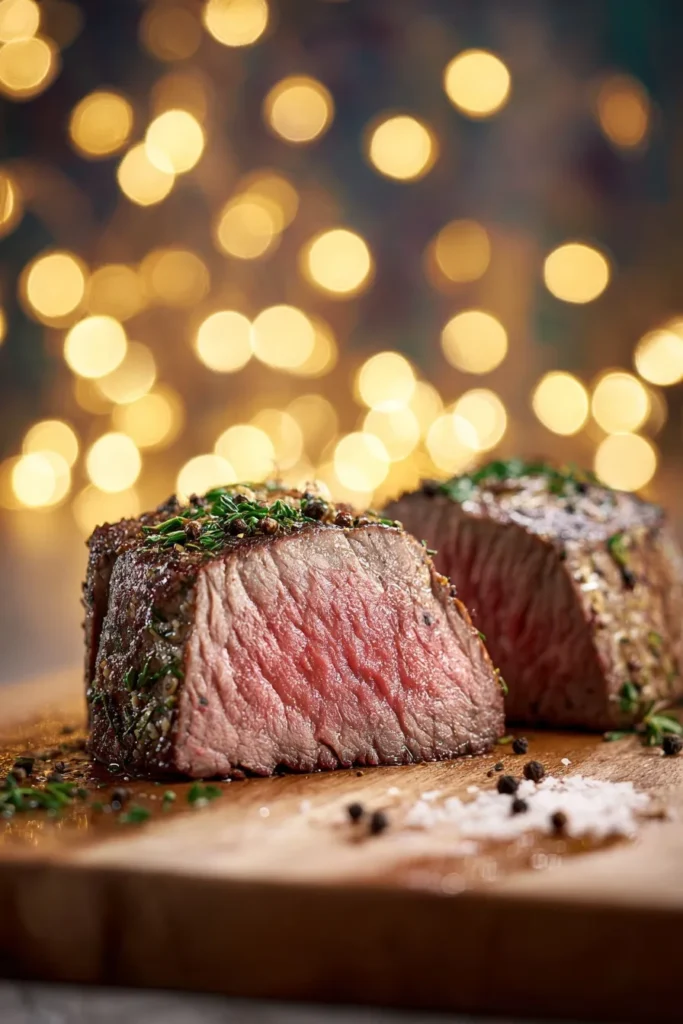
Looking for the perfect sides to complete your prime rib feast?
Serve with my Perfect Garlic Mashed Potatoes for a classic steakhouse pairing. The creamy texture and buttery garlic flavor complement the rich beef beautifully. Traditional Yorkshire pudding is another winner—the crispy, airy pastry soaks up au jus perfectly.
Try my Honey Butter Sweet Potatoes for a slightly sweet contrast. The caramelized edges and buttery interior balance the savory roast wonderfully. Roasted asparagus with lemon adds a fresh, bright element that cuts through the richness.
A simple arugula salad with shaved Parmesan provides a peppery, light counterpoint to the heavy main course. Horseradish cream sauce is a must-have condiment—the sharp bite enhances the beef’s flavor without overpowering it.
Creamed spinach delivers that classic steakhouse experience at home. Roasted Brussels sprouts with bacon (halal-certified turkey bacon) add a crispy, savory vegetable option. For bread, serve my Homemade Garlic Bread Rolls to soak up every last drop of au jus.
Storage and Reheating Guide
Refrigerator Storage
Store leftover prime rib in airtight containers or wrap tightly in aluminum foil for up to 4 days. Slice only what you need to keep the remaining roast intact, which helps retain moisture better than pre-sliced portions.
Freezer Storage
Freeze for up to 3 months wrapped tightly in plastic wrap, then aluminum foil, then placed in freezer bags. Slice before freezing for easier portioning and faster thawing. Thaw overnight in the refrigerator before reheating.
Reheating Instructions
The best method is low-and-slow in a 250°F oven. Place slices in a baking dish with a splash of beef broth, cover with foil, and heat for 15-20 minutes until warmed through. This prevents drying out the meat. For quick reheating, microwave individual portions on 50% power in 30-second intervals, but the texture won’t be quite as good.
Pro Storage Tips
- Always let the roast cool to room temperature before refrigerating to prevent condensation
- Save pan drippings separately and reheat for spooning over leftovers
- Leftover prime rib makes incredible sandwiches, so don’t throw away smaller pieces
Recipe Variations
Want to switch things up with this prime rib recipe?
Herb-Crusted Version
Add 2 tablespoons of fresh parsley and 1 tablespoon of fresh oregano to the herb rub for a more complex flavor profile. The extra herbs create a beautiful green crust that looks stunning when sliced. This variation works especially well for spring holidays.
Coffee-Rubbed Prime Rib
Mix 2 tablespoons of finely ground coffee with the salt and pepper for a rich, complex crust with subtle bitterness. The coffee enhances the beef’s natural flavors without tasting like coffee. Try my Award-Winning Championship Chili Recipe technique of toasting spices for even deeper flavor.
Garlic Butter Basted
Instead of the herb rub, create a garlic butter paste with ½ cup softened butter, 8 cloves minced garlic, and fresh herbs. Baste the roast every 30 minutes during cooking for incredibly rich, buttery flavor that melts into every bite.
Smoked Prime Rib
Use a smoker set to 225°F instead of the oven for incredible smoky depth. Add wood chips like hickory or oak for 2-3 hours of smoking, then finish with the high-heat sear in the oven. The smoke ring looks impressive and tastes even better.
Boneless Version
If using a boneless ribeye roast, tie with kitchen twine every 2 inches to maintain shape. Reduce cooking time by about 20-30 minutes since boneless cuts cook faster. Use a roasting rack to elevate the meat for even browning.
Horseradish Crust
Mix 3 tablespoons prepared horseradish into the herb rub for a spicy, tangy kick. The horseradish mellows during roasting but adds a pleasant sharp note that complements beef perfectly. This variation is especially popular with horseradish sauce lovers.
Pro Tips & Tricks
Curious about the insider secrets to perfect prime rib?
- Choose the right grade: USDA Prime or Choice grade makes a massive difference in tenderness and marbling. The extra cost is worth it for special occasions—you’ll taste the quality.
- Calculate cooking time properly: Plan for 15-20 minutes per pound at 250°F, plus resting time. Always rely on internal temperature, not timing alone, since ovens and roast sizes vary.
- Don’t skip the room temperature step: Cold meat from the fridge cooks unevenly, leaving you with overcooked edges and a cold center. The 2-3 hour wait is essential for even results.
- Pat meat completely dry: Moisture on the surface steams instead of sears, preventing that gorgeous crust. Use paper towels to blot every surface thoroughly before seasoning.
- Season generously the night before if possible: Salting 12-24 hours ahead allows the salt to penetrate deeper, seasoning the meat throughout instead of just the surface. This technique, called dry-brining, makes a noticeable difference.
- Use a probe thermometer if you have one: Leave it in the roast during cooking so you can monitor temperature without opening the oven door repeatedly, which drops the temperature and extends cooking time.
- Save those drippings: The pan drippings make incredible au jus or gravy. Skim off excess fat, add beef broth, and simmer for 5 minutes for an easy, flavorful sauce.
- Let it rest properly: Cutting into the roast too soon releases all the juices onto the cutting board instead of staying in the meat. Be patient—those 20-30 minutes make the difference between good and exceptional.
Frequently Asked Questions
Q: Can you make prime rib ahead of time?
You can season the roast up to 24 hours ahead and refrigerate, then bring to room temperature before cooking. However, cook prime rib the day you plan to serve it for best results. The texture and flavor are unbeatable when freshly roasted and rested.
Q: How long does prime rib last in the fridge?
Properly stored prime rib lasts up to 4 days in the refrigerator when wrapped tightly in foil or stored in airtight containers. The meat stays safe to eat and maintains good quality throughout this time. Slice only what you need to keep the rest moist.
Q: Can you freeze prime rib?
Yes! Freeze cooked prime rib for up to 3 months wrapped tightly in plastic wrap, then foil, then freezer bags to prevent freezer burn. Slice before freezing for easier portioning and thawing. Thaw overnight in the refrigerator before gently reheating.
Q: What to serve with prime rib?
Classic sides include garlic mashed potatoes, roasted vegetables, Yorkshire pudding, and creamed spinach. Try my Caramelized Onion Mashed Potatoes for an elevated twist. Horseradish cream sauce and au jus are essential condiments that enhance the beef’s rich flavor.
Q: How do you make prime rib less salty?
If your herb rub tastes too salty before cooking, scrape off some of the mixture and reduce the salt next time. You can’t fix an already-cooked salty roast, but serving it with unsalted sides like plain mashed potatoes helps balance the overall meal.
Q: What’s the best way to reheat prime rib?
Reheat in a 250°F oven for 15-20 minutes, placing slices in a covered dish with a splash of beef broth. This low-and-slow method prevents drying out the meat. Avoid microwaving if possible, as it tends to make the meat tough and rubbery.
Q: Can I substitute dried herbs in prime rib recipe?
Fresh herbs are strongly recommended for the best flavor and crust. If you must use dried, reduce quantities by two-thirds since dried herbs are more concentrated. The texture and aroma won’t be quite the same, but it’ll still taste good.
Q: How many servings does a 5-pound prime rib make?
A 5-pound bone-in roast serves 6-8 people with about 10-12 ounces of cooked meat per person (accounting for bone weight and shrinkage). For big eaters or if you want generous leftovers, plan for 1 pound per person before cooking.
Q: Why is my prime rib tough?
Toughness usually comes from overcooking the roast past medium doneness. Prime rib should be cooked to medium-rare (130°F) for optimal tenderness. Also ensure you’re slicing against the grain, not with it, which makes meat seem chewy.
Q: What toppings go with prime rib?
Traditional toppings include horseradish cream sauce, au jus, and compound herb butter. Some people love a drizzle of balsamic reduction or a sprinkle of flaky sea salt and fresh cracked pepper. Keep it simple to let the beef flavor shine through.
Q: How do I prevent prime rib from drying out?
Use the reverse-sear method (low heat first, high heat finish) and don’t overcook past your desired doneness. Remove the roast 5-10°F before your target temperature since it continues cooking while resting. Proper resting is crucial for juicy results.
Q: Can you make prime rib in a slow cooker?
While technically possible, a slow cooker won’t give you that gorgeous crust prime rib is famous for. Oven roasting is the best method for achieving the perfect combination of tender interior and caramelized exterior. Save the slow cooker for other roasts.
Ready to Impress Everyone?
This prime rib recipe transforms intimidating restaurant-quality beef into an achievable home cooking triumph. The reverse-sear method delivers perfectly cooked meat from edge to center, while the herb crust adds incredible flavor that complements the natural richness of the beef.
Whether you’re serving this for Christmas dinner, Easter brunch, or a special Sunday meal, this foolproof technique guarantees impressive results every single time. The combination of low-and-slow roasting followed by a high-heat finish creates that coveted pink center with a crackling, savory exterior.
Save this recipe for your next celebration! Leave a comment below and let me know how your prime rib turned out. Share with friends who need a show-stopping centerpiece that actually tastes as incredible as it looks. 💕